
The Origins of Baxter’s Ethics
Poor ThingsThis flow traces how Godwin Bysshe Baxter’s upbringing and scientific practice shape his understanding of care, secrecy, and responsibility.
increasing Bearing strength in each event
 decreasing
Bearing strength in each eventdecreasingAn Education Without Stories
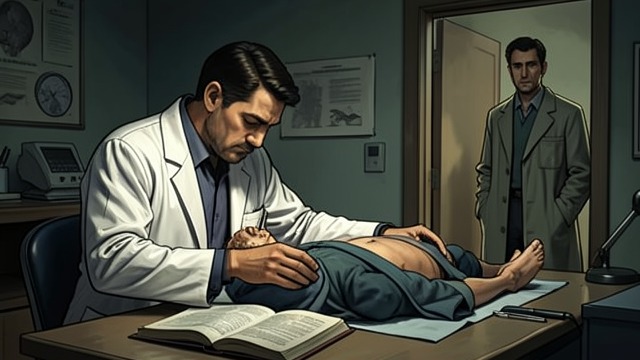
An Education Without Stories
Knowledge narrowly taught
Sir Colin Baxter teaches Godwin anatomy, mathematics, and chemistry while dismissing literature, history, and religion as unprovable. Baxter learns to value observation but receives little ordinary social education.
A different inheritance
His scientific training gives him unusual technical ability, while his isolation makes affection and companionship difficult to understand. Both sides shape his later decisions as a doctor and creator.
The Suspended Body
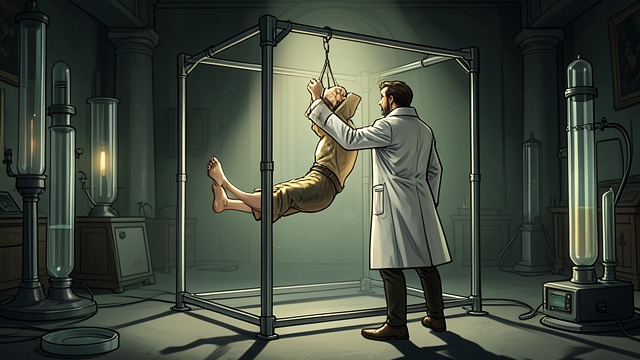
The Suspended Body
A technique inherited
Baxter refines Sir Colin’s method of suspending bodily life without destroying cellular vitality. He keeps the research private and refuses at first to explain its purpose.
Science with a moral question
The technique offers extraordinary power over life but no automatic guidance about when to use it. Baxter’s secrecy makes McCandless and readers ask whether exceptional ability is enough to justify an experiment.
The Rabbits’ Lesson
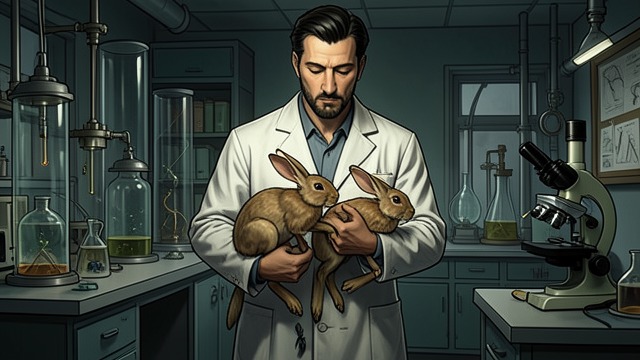
The Rabbits’ Lesson
A demonstration of power
Baxter shows McCandless rabbits altered into strikingly divided forms, then promises to restore them. The experiment proves that his abilities exceed ordinary medical practice.
The cost of mastery
The rabbits are no longer interested in procreation while altered. The demonstration makes scientific success inseparable from responsibility for the lives and capacities affected.
Creation and Self-Reproach
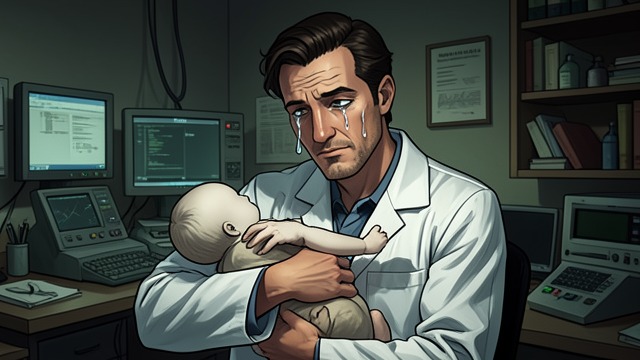
Creation and Self-Reproach
A life made possible
Baxter explains that he used a dead woman’s body and the brain of her unborn child to create Bella Baxter. He describes the experiment as an answer to lives discarded by society.
Desire implicated
He later admits that sexual longing, impatience, and selfishness shaped his decision. The confession complicates his claim to benevolent creation and gives moral weight to his regret.
Science Cannot Absolve Him
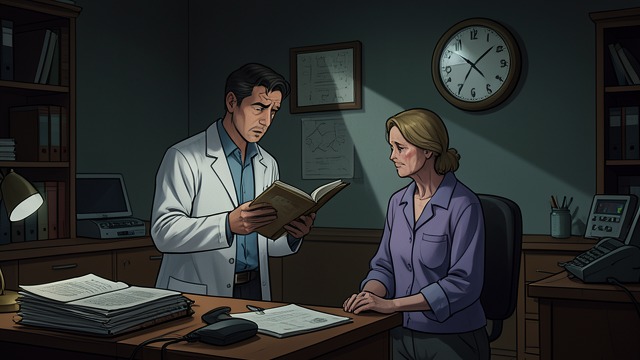
Science Cannot Absolve Him
Limits acknowledged
Baxter accepts that his technical knowledge cannot repair every consequence of his choices. His illness and Bella’s questions make scientific power answerable to emotional and ethical costs.
Care replaces mastery
At the end, he asks others to live kindly and care for his animals. His legacy becomes less a hidden technique than a model of affection, fallibility, and responsibility.
Baxter’s childhood under Sir Colin
Before Baxter meets McCandless as a friend
During McCandless’s visit to Baxter’s garden
After Baxter explains Bella’s origins to McCandless
During Baxter’s final conversations, spring 1884
