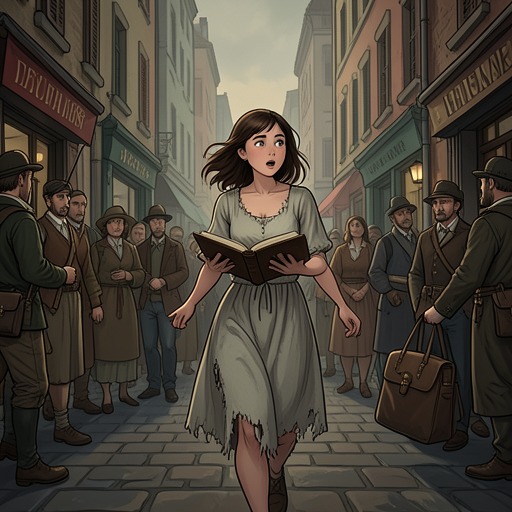
“The precious thing”
Poor Things“The precious thing” is a shifting expression for a human value that the passage associates most explicitly with freedom and the burden of responsibility. Its force lies in the contrast between its preciousness and the pleasure people take in seeing it ground away.
Names and Meaning
A speaker recalls discussing the thing with a clever man who said it had many names. Poor people call it money; priests call it the soul; the man calls it freedom. The passage does not settle on a single definition. Instead, the changing names connect material value, religious belief, and the capacity to choose into one vulnerable human possession.
The Gambling Table
The expression takes shape around a spinning wheel and a little rattling ball. The speaker realizes what is happening only after damage has been done: the apparatus grinds something down in both those who bet and those who watch. The loss is not merely incidental to the game. The people involved are pleased to feel the precious thing being ground away, as though its destruction answers something they already resent.
Freedom and Its Destruction
The clever man’s name for the thing clarifies the passage’s bitter logic. Freedom makes people feel responsible for what they do; because they hate that feeling, they want freedom crushed and killed. The wish to destroy it is therefore bound to the very agency it threatens: the passage describes people wanting relief from the blame attached to their choices, even at the cost of the capacity to choose.
The speaker marks a distance from this account of men by insisting on not being one, then compares the place to a Roman game in which tortured minds, rather than bodies, are the spectacle. That contrast turns the gambling scene into more than a display of material risk: the wheel and ball become the visible instruments of an inward destruction, while the audience’s pleasure makes the violence communal.