Godwin Baxter’s invention of Bella’s identity
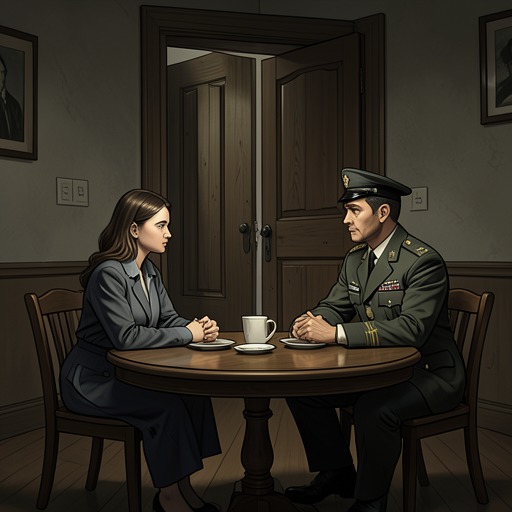
Poor ThingsGodwin Baxter’s invention of Bella’s identity is a protective cover story that conceals her connection to a powerful English household while providing a framework for her education. He presented Bella as the amnesiac daughter of married South American cousins who had died in a train crash, an account that kept the circumstances of her arrival from provoking awkward questions.
The Cover Story
Godwin could speak openly about his own unmarried mother because he was a bachelor with an unearned income. He could not be equally candid about sheltering the runaway wife of General Sir Aubrey de la Pole Blessington, an English baronet and Great British General. To disguise that situation, he invented the cousins, their fatal train crash, and their amnesiac daughter, Bella Baxter.
The false family history gave Bella a presented identity without exposing the circumstances Godwin needed to hide. Its central details—the cousins’ marriage, their deaths, and Bella’s amnesia—made her presence in his household part of an apparently coherent family tragedy rather than evidence that he was sheltering a runaway wife.
Purpose and Consequences
The account served a second purpose beyond concealment. It offered Godwin an explanation for teaching Bella important things she had never been taught. At the same time, his approach was not to erase her earlier experience: he insisted that she should remember what she had already learned. He treated memory, even painful memory, as something that could enlarge her understanding if considered with intelligent interest.
Bella resisted that lesson, describing painful experiences in Manchester, Lausanne, and Porchester Terrace: scrubbing clothes in freezing water, being made to repeat Beethoven’s Für Elise after mistakes, and having her father crack her skull with his fist. Her response exposes the strain within Godwin’s arrangement. The invented identity makes room for a new education, but it cannot make the past disappear or make its different forms of pain easy to reconcile.
Narrative Significance
The disclosure of Godwin’s invention distinguishes Bella’s presented history from the circumstances he was concealing. It also connects the story of her identity to the larger question of how a person is formed: Godwin supplies an account of who Bella supposedly is, while his insistence on remembering leaves her own difficult experiences in view. The cover story is therefore both practical concealment and the starting point for a contested education.