River Clyde
Poor ThingsThe River Clyde is more than the setting for a drowning: it is where the evidence surrounding Bella’s origins first takes bodily form. An archival report records the recovery of an unidentified pregnant woman, while Godwin Baxter later recounts the deliberate drowning of the woman known as Bella. Together, these accounts make the river a threshold between an apparently unclaimed death and the identity Baxter gives the recovered body.
Setting and recovery
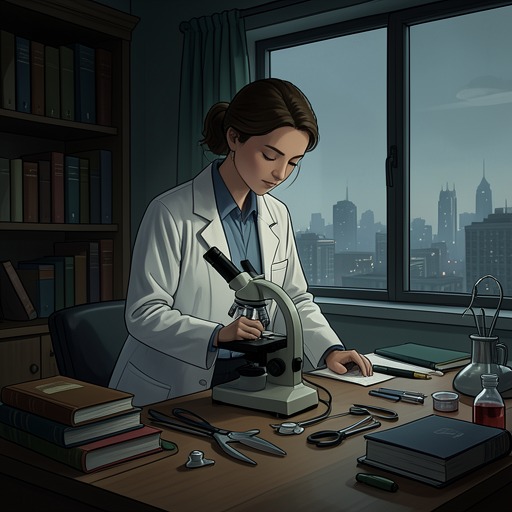
The evidence places one body in the Clyde on 18 February 1881. Godwin Baxter, then acting as police surgeon from his home at 18 Park Circus, certified death by drowning. The woman was described as about 25, five feet ten and three-quarter inches tall, with dark brown curling hair, blue eyes, a fair complexion, and hands unused to rough work. She was well dressed, but no one claimed her after the body was advertised.
The river and the body known as Bella
In a later account, Baxter explains the local work of the Glasgow Humane Society: George Geddes, who lived in a rent-free house on Glasgow Green, retrieved bodies from the Clyde and tried to save those still alive. When recovery was impossible, bodies could be kept in a small morgue attached to his dwelling for examination. Baxter says he had arranged for unclaimed bodies to be transferred to dissecting rooms and laboratories, placing the river’s dead within the medical system that shaped his own work. Baxter’s account of the body known as Bella describes a deliberate entry into the water from the parapet of St Andrew's Suspension Bridge, near Geddes’s home. Rather than falling feet first, the woman dived beneath the surface while breathing out and did not return alive. A reticule filled with stones was tied to her wrist. Her fashionable clothes had empty pockets, and neat holes had been cut into their linings and lingerie, removing the names or initials that might have identified a woman of her class. Baxter also found that she was pregnant and that wedding and engagement rings had been removed, leaving pressure grooves on her finger.
Narrative significance
The Clyde’s role in these accounts is defined by the tension between the body’s material evidence and the absence of a secure identity. The advertised woman remains unclaimed in the archival notice; in Baxter’s later telling, the distinctive preparations for drowning and removal of identifying marks suggest a wish to be forgotten. Pregnancy and the marks left by missing rings further turn the recovered body into evidence of a concealed personal history. The river therefore anchors Bella’s story in a death that can be medically examined but not straightforwardly explained: Baxter can describe what the body reveals, while the circumstances behind it remain uncertain.