Victoria Hattersley’s suicide by drowning
Poor ThingsVictoria Hattersley’s suicide by drowning is both a death and a concealed beginning. The woman’s deliberate attempt to end her life in the River Clyde was followed by Godwin Baxter’s decision to preserve her body without reviving her; the story later identifies her with Bella Baxter and makes this event the prehistory of Bella’s existence.
Discovery in the River Clyde
On 18 February 1881, a pregnant woman’s body was recovered from the River Clyde. The official description recorded her as about twenty-five years old, five feet ten and three-quarter inches tall, with dark brown curling hair, blue eyes, a fair complexion, and hands unused to rough work. She was well dressed, but no one claimed her after the body was advertised. Godwin Baxter, acting as police surgeon, certified death by drowning.
Baxter later reconstructed the circumstances for Archibald McCandless. George Geddes had seen the woman climb onto the parapet of the suspension bridge near his home on Glasgow Green. Rather than enter the water feet first, she dived beneath the surface, expelling the air from her lungs. A reticule filled with stones was tied to her wrist. Baxter interpreted these details as signs of a carefully planned suicide by someone who wanted to disappear.
Signs of an Effort to Remain Unidentified
The woman’s clothes were fashionable but discreet, and their pockets were empty. Neat holes had been cut into the linings and lingerie where women of her class might have their names or initials sewn. Her wedding and engagement rings were gone, though pressure marks remained on her finger. Together with the weighted reticule and the unclaimed body, these details make the attempt to conceal her identity part of the event itself.
Baxter arrived before rigor had set in and while the body had hardly cooled. He found that she was pregnant. McCandless proposed two possible circumstances: she might have been carrying a husband’s child whom she hated, or a lover’s child after that lover had abandoned her. Baxter agreed that these were possibilities, but the account does not establish which, if either, was true. The woman’s motive remains legible only through the deliberate arrangements she left behind and Baxter’s inference that she had chosen not to exist.
Baxter’s Intervention
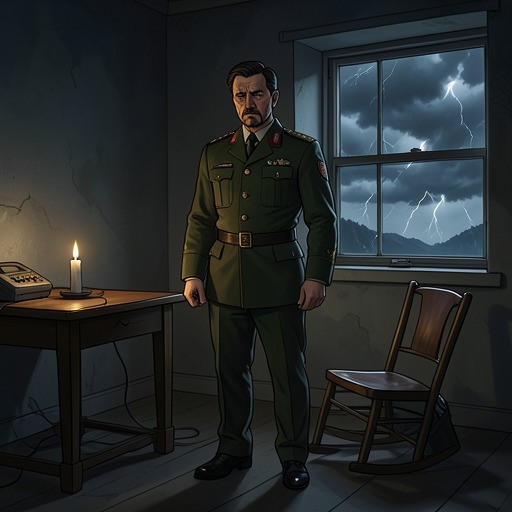
Baxter cleared water from the woman’s lungs and removed the fetus from her womb. He believed that electrical stimulation could have restored her to self-conscious life, but chose not to revive her. In his view, to bring her back against the apparent finality of her choice could have meant forcing her into institutions that treated suicide as lunacy or crime. Instead, he kept her alive at a purely cellular level and took her unclaimed body to his father’s laboratory.
That decision changes the meaning of the drowning without erasing it. The woman had apparently taken pains to secure a permanent disappearance; Baxter’s intervention preserved the possibility of a later life while withholding consciousness and memory of the life she had rejected. He later connected the body on the mortuary slab with the sleeping Bella Baxter, whose face, as he described it, still recalled the woman he had found. The novel thus makes the event an origin concealed inside a death: Bella’s story begins not with an ordinary birth, but with the recovery and preservation of a suicide victim’s body.
The Event’s Afterlife
The drowning is recalled retrospectively by Baxter, who tells McCandless that he examined the body soon after a quarrel a year earlier. Its significance therefore arrives through a later explanation rather than through the woman’s own account. The physical clues are concrete, but they cannot supply her voice or settle the circumstances that led her to the river.
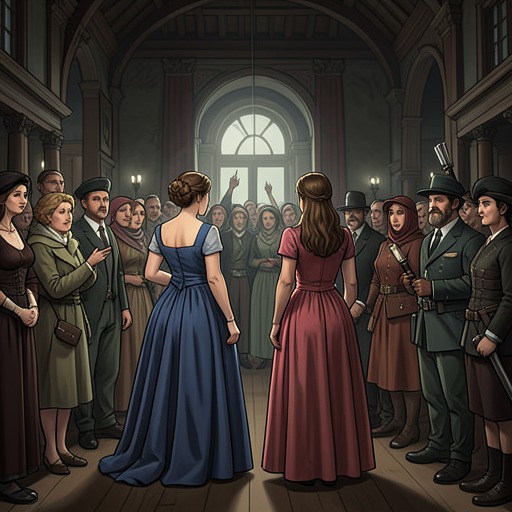
The later narrative associates the woman with Bella Baxter and, in another identity, Victoria McCandless. As Dr. Victoria, she objects to medical examinations imposed on women working in a Paris brothel and proposes that the clients be examined instead. She later argues for birth control while also criticizing commercial contraceptives as unhealthy, and her book A Loving Economy brings her reproductive arguments into public controversy. At her trial, a Scottish jury returns a verdict of not proven: she is neither struck off the medical register nor declared guiltless. These later episodes do not explain why the woman entered the water; they show how the life Baxter preserved developed into one marked by medical practice, disputes over women’s bodily autonomy, and public judgment.