
The Cost of Concealment
Presumed InnocentThis flow traces how withheld truths protect people in the short term while steadily damaging trust and justice.
increasing Bearing strength in each event
 decreasing
Bearing strength in each eventdecreasingA False Alibi of Silence

A False Alibi of Silence
Rusty withholds the affair
Rusty does not tell Raymond or Lipranzer that he had been Carolyn's lover. He fears the professional and personal consequences, and his silence makes his investigative role appear compromised once the relationship is discovered.
A second omission
He asks Lipranzer to avoid obtaining his home telephone records, ostensibly to spare Barbara distress. That choice later becomes one of the prosecution's strongest signs that Rusty knew the records would be damaging.
A secret becomes evidence
The omissions do not prove that Rusty killed Carolyn, but they make his innocent explanations harder to believe. His attempt to protect his private life creates the very suspicion that threatens to destroy it.
The Secrets of the B File
The Secrets of the B File
A file withheld
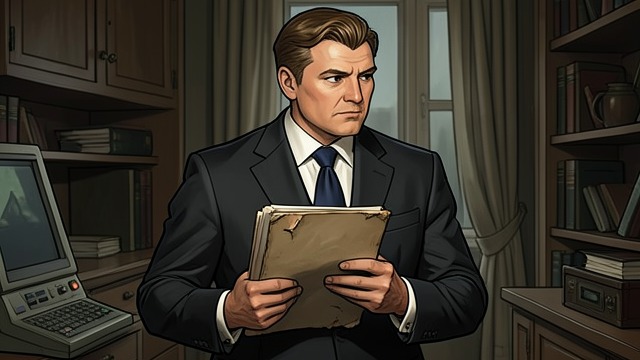
Raymond keeps Carolyn's bribery file from Rusty until Rusty identifies its absence. Raymond says he had treated the allegation as a scam, but later admits the history involved Carolyn and Larren.
The defense cannot say everything
Stern uses the file as a strategic pressure point but does not tell Rusty all the information he has heard. Rusty recognizes that the defense's courtroom tactics may depend on secrets he himself does not understand.
Protection and distortion
The file's concealed history may help end the trial, but it never becomes a full public account. Concealment protects Lyttle, implicates Molto by appearance, and leaves Rusty to piece together the story after the legal process is finished.
Silence After the Verdict
Silence After the Verdict
A truth shared privately
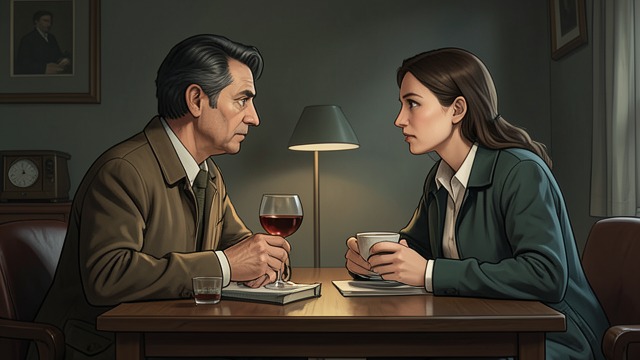
Rusty and Barbara each acknowledge their role in Carolyn's death in a private conversation. Their account is not a legal confession to investigators but an intimate exchange between spouses whose shared life has been changed beyond repair.
The choice not to report
Rusty does not disclose his belief to the authorities. He worries about Nathaniel, doubts the usefulness of a late accusation, and knows that his own history would make his version appear self-serving.
Consequences without testimony
The public continues to debate whether Rusty was framed, while the murder remains officially unsolved. Silence preserves the family from another prosecution but ensures that the novel's central truth remains unsettled and morally compromised.
The first months after Carolyn's death
From Rusty's discovery to the trial
From the fall confession to the final pages
