Fitzwilliam Darcy
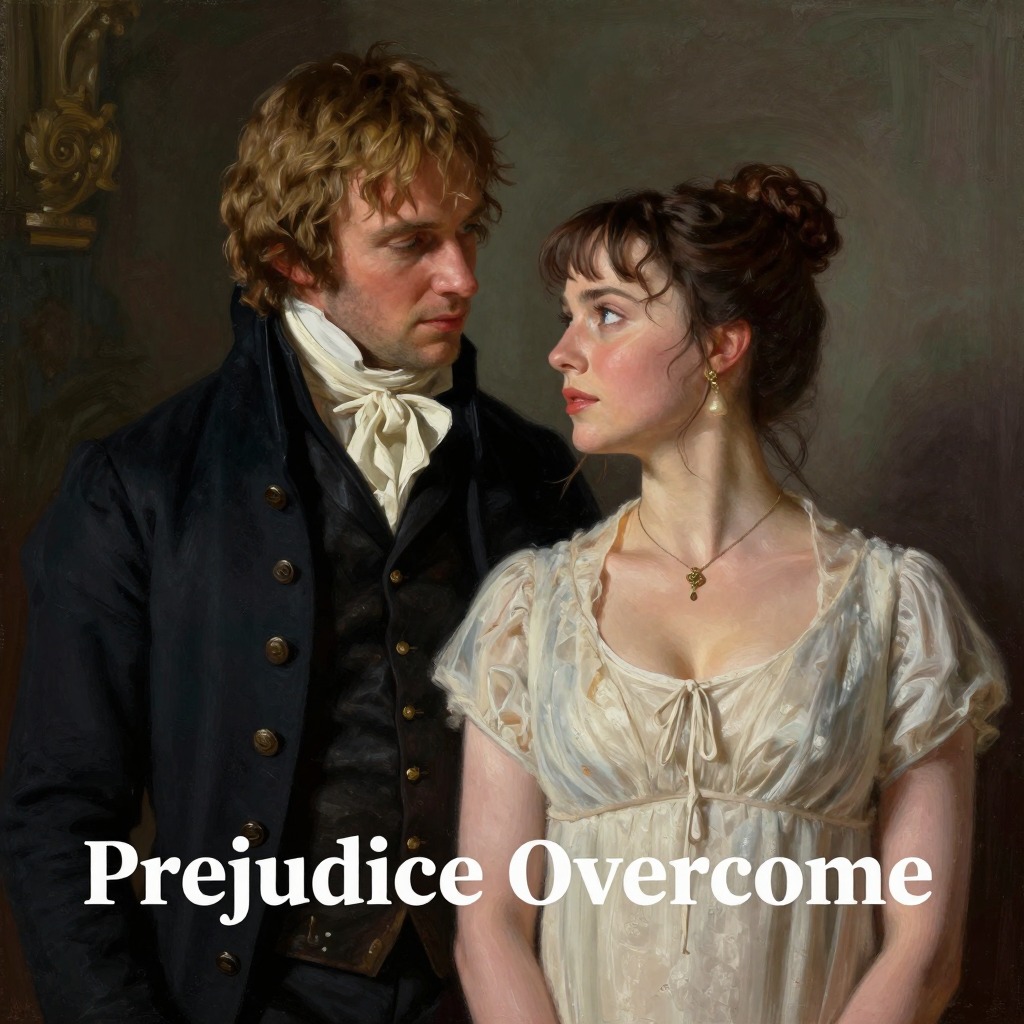
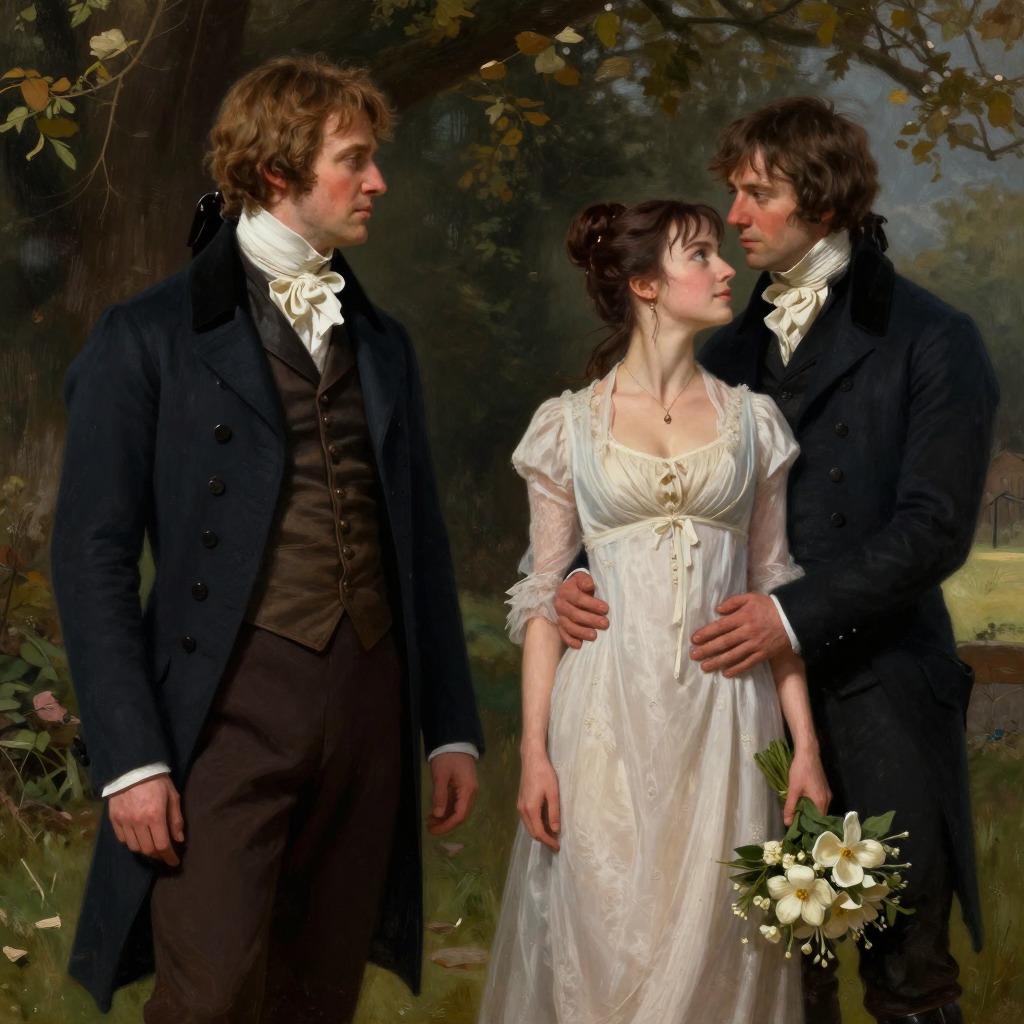
Pride and PrejudiceFitzwilliam Darcy, the master of Pemberley in Derbyshire, enters the novel as the embodiment of aristocratic pride and social exclusivity. Possessing a fine, tall person, handsome features, and a noble mien, he initially draws admiration at the Meryton assembly, but his manners soon disgust the company: he is discovered to be proud, above his company, and above being pleased. He dances only twice, declines introductions, and spends the evening walking about the room, speaking occasionally only to his own party. His most infamous remark—that Elizabeth Bennet is "tolerable, but not handsome enough to tempt me"—cements his reputation as the proudest, most disagreeable man in the world. Mrs. Bennet declares him "high and so conceited that there was no enduring him," and the neighbourhood hopes he will never return.
Identity and Background
Darcy is the son of the late Mr. Darcy of Pemberley, a man universally esteemed for his kindness and integrity. He inherited a vast estate yielding ten thousand pounds a year, along with the responsibilities of a landlord, a master, and a guardian to his younger sister, Georgiana Darcy. His education and social position have fostered a reserved, fastidious temperament; he is clever, haughty, and his manners, though well-bred, are not inviting. His friend Charles Bingley, by contrast, is sure of being liked wherever he appears, while Darcy continually gives offense. The novel emphasizes that Darcy's pride is not mere vanity but a deep-seated sense of his own consequence, family dignity, and the importance of rank—a trait that both alienates others and, paradoxically, sometimes leads him to act generously.
Arc Through the Plot: From Pride to Self-Knowledge
Darcy's character undergoes the most significant transformation in the novel. Initially, he is determined to avoid any attachment to Elizabeth, whose family's inferior connections and impropriety he finds objectionable. Yet he is increasingly drawn to her intelligence, liveliness, and fine eyes. At Netherfield, he begins to admire her despite himself, and his first proposal at Hunsford is a disastrous mixture of ardent love and condescending pride: he dwells on her inferiority and the degradation such a match would represent, expecting acceptance. Elizabeth's furious rejection—accusing him of arrogance, of separating Bingley from Jane, and of mistreating Wickham—shatters his complacency. His subsequent letter, delivered with haughty composure, provides a full, honest account of his actions: he admits to detaching Bingley from Jane, believing her indifferent, and reveals Wickham's true character as a profligate who attempted to elope with Georgiana for her fortune. This letter forces Elizabeth to confront her own prejudice, but it also marks Darcy's first step toward genuine self-examination.
Key Actions and Objectives
Darcy's actions after the rejection demonstrate a profound moral reformation. He does not retreat into wounded pride but actively seeks to remedy the harm he has caused. He follows Elizabeth and the Gardiners to Derbyshire, arranges to meet her at Pemberley, and behaves with unprecedented civility and attention—introducing her to his sister, inviting her uncle to fish, and seeking the good opinion of her relations. When Lydia elopes with Wickham, Darcy takes the most decisive action: he tracks them to London, negotiates with Wickham, pays his debts (amounting to considerably more than a thousand pounds), settles another thousand on Lydia, and purchases Wickham's commission, all while insisting that the credit go to Mr. Gardiner. His motive, as he later confesses to Elizabeth, was the wish of giving happiness to her. This intervention saves the Bennet family from disgrace and demonstrates that his love has become active, selfless, and humble.
Relationships and Conflict
Darcy's relationships are defined by contrast and conflict. His friendship with Bingley is based on mutual esteem despite opposite temperaments: Bingley's openness and ductility endear him to Darcy, who relies on his own superior judgment. This very reliance leads Darcy to interfere in Bingley's attachment to Jane, an act he later acknowledges as mistaken and impertinent. His enmity with Wickham is rooted in childhood rivalry and Wickham's betrayal: Wickham, the godson of the late Mr. Darcy, was given three thousand pounds in lieu of a living, then attempted to elope with Georgiana for her thirty-thousand-pound fortune. Darcy's contempt for Wickham is absolute, yet he refrains from public exposure to protect his sister's reputation. His relationship with his aunt, Lady Catherine de Bourgh, is one of formal respect but underlying independence; when she confronts Elizabeth and then writes to him, her interference ironically gives him the hope that Elizabeth's feelings might have changed. His bond with Georgiana is protective and affectionate; he is a kind and careful guardian, and his sister's happiness is a constant concern.
Change and Ending
Darcy's transformation culminates in his second proposal, which is entirely free of pride. He acknowledges that his former behaviour was unpardonable, that Elizabeth's reproof taught him a lesson he needed, and that he was properly humbled. He confesses that he was a selfish being all his life, taught what was right but not to correct his temper, and that Elizabeth "taught me a lesson, hard indeed at first, but most advantageous." Elizabeth accepts him, and their marriage is portrayed as a union of mutual respect and affection. Darcy's pride is not eradicated but redirected: he bears the vulgarity of Mrs. Phillips and the obsequiousness of Mr. Collins with admirable calmness, and he assists Wickham further in his profession for Elizabeth's sake. He remains reserved, but his reserve is now understood as shyness rather than arrogance. The novel ends with Darcy and Elizabeth living at Pemberley, where he is a beloved landlord and master, and where his sister Georgiana finds a true home.
Thematic Significance
Darcy embodies the novel's central theme of the interplay between pride and prejudice. His initial pride is a genuine flaw that blinds him to the worth of others and leads him to act unjustly. His reformation demonstrates that true gentility is not a matter of birth or fortune but of character, self-awareness, and the capacity for change. Through Darcy, Austen argues that pride, when regulated by genuine merit and humility, can be a virtue, but that unchecked arrogance—whether of rank, wealth, or opinion—causes misery. His relationship with Elizabeth is a model of how two intelligent, strong-willed individuals can overcome their respective faults through honest self-examination and mutual respect, achieving a marriage based on equality and affection rather than social convenience.