Late Mr. Darcy
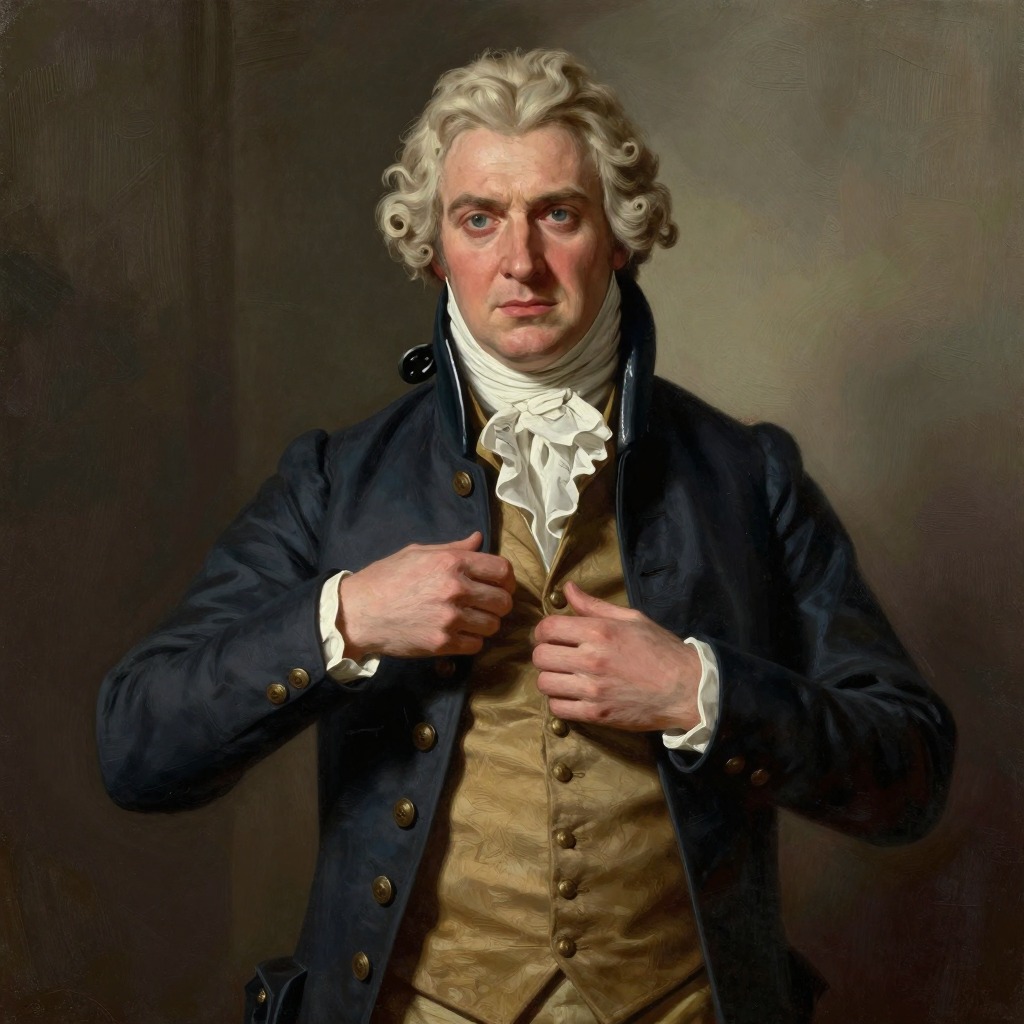
Pride and PrejudiceThe Late Mr. Darcy, father of Fitzwilliam Darcy and Georgiana Darcy, is a figure of profound posthumous influence in Pride and Prejudice. Though he never appears alive in the narrative, his character is established through the recollections of others as one of the best men that ever breathed, a man of benevolence, generosity, and deep paternal affection. His legacy—embodied in his will, his friendship with the elder Wickham, his guardianship of his daughter, and his reputation at Pemberley—becomes the fulcrum upon which the novel's central conflicts of pride, prejudice, and moral judgment turn. His memory is invoked to condemn his son, to justify George Wickham's claims, and ultimately to illuminate the true worth of both men, making him a silent but decisive presence in the moral economy of the story.
Identity and Character
The Late Mr. Darcy is remembered as a man of exceptional virtue and warmth. George Wickham, his godson, describes him as "one of the best men that ever breathed, and the truest friend I ever had," a sentiment echoed by his housekeeper, Mrs. Reynolds, who calls him "an excellent man" and affirms that his son "will be just like him—just as affable to the poor." His character is further illuminated by his role as a devoted father and a generous patron. He supported George Wickham at school and later at Cambridge, providing him with a gentleman's education that his own father, always poor from the extravagance of his wife, could not have afforded. He was not only fond of the young man's society but also held the highest opinion of him, hoping the church would be his profession and intending to provide for him in it. This portrait of a kind, discerning, and liberal-minded patriarch stands in stark contrast to the perceived pride of his son, and it is through this contrast that the novel explores the complexities of inheritance and moral character.
The Will and Its Consequences
The most consequential act of the Late Mr. Darcy's life is his will, which becomes the source of the novel's central dispute. He bequeathed to his godson, George Wickham, the next presentation to the best living in his gift, a valuable family living, and a legacy of one thousand pounds. His attachment to Wickham was so steady that he particularly recommended to his son that he promote Wickham's advancement in the best manner his profession might allow, desiring that the living be his as soon as it became vacant. However, the terms of the bequest contained an informality that gave Wickham no hope from law. After the elder Darcy's death, his son, Fitzwilliam Darcy, chose to doubt the intention, treating it as a merely conditional recommendation. Wickham, having resolved against taking orders, accepted three thousand pounds in lieu of the preferment, a settlement that dissolved all connection between the two families. This will, and its contested interpretation, becomes the foundation of Wickham's tale of grievance and the initial basis for Elizabeth Bennet's prejudice against Fitzwilliam Darcy, who is accused of having "ruined the immediate prosperity and blasted the prospects of Mr. Wickham." The elder Darcy's generosity, thus, becomes the instrument of his son's moral trial.
The Father's Legacy and the Son's Burden
The Late Mr. Darcy's influence extends directly to his son's character and actions. Fitzwilliam Darcy, in his letter to Elizabeth, acknowledges that his father's attachment to Wickham was so strong that it irritated him very early in life, as he had not a temper to bear the sort of competition in which they stood. The elder Darcy's uncommon preference for Wickham, his godson, over his own son, created a deep-seated resentment in the younger Darcy, which contributed to his later harshness. Yet, the father's example also serves as a moral compass. Fitzwilliam Darcy, despite his pride, is described by Wickham as having "brotherly pride, which, with some brotherly affection, makes him a very kind and careful guardian of his sister," a trait that mirrors his father's own devotion. The son's eventual intervention in Lydia's elopement—finding the couple, negotiating with Wickham, and paying his debts—is framed by his own admission that it was owing to himself that Wickham's worthlessness had not been so well known, a failure he generously imputed to his own "mistaken pride." This act of atonement, which he undertakes in part to remedy an evil brought on by himself, can be seen as an attempt to live up to the moral standard set by his father, who had always been "very proud of what his father was." The father's legacy, therefore, is not merely a legal document but a moral inheritance that his son must both honor and transcend.
The Memory of Pemberley
The Late Mr. Darcy's spirit is most vividly preserved at Pemberley, his ancestral estate. When Elizabeth Bennet visits the house, she is shown a miniature of him, and Mrs. Reynolds, the housekeeper, tells her that it was drawn about eight years ago, and that the room where it hangs was "my late master's favourite room, and these miniatures are just as they used to be then. He was very fond of them." This detail accounts for the presence of Wickham's portrait among the family miniatures, a testament to the elder Darcy's enduring affection for his steward's son. The housekeeper's praise of the late master—"His father was an excellent man"—and her assertion that his son will be just like him, "just as affable to the poor," shapes Elizabeth's changing perception of Fitzwilliam Darcy. Standing before the portrait of the father, Elizabeth feels "a more gentle sensation towards the original than she had ever felt at the height of their acquaintance," and she considers how many people's happiness were in his guardianship. The memory of the Late Mr. Darcy, thus, becomes a powerful force in the novel's emotional and moral resolution, softening Elizabeth's prejudice and revealing the true nature of his son.
The Father's Role in the Moral Order
The Late Mr. Darcy's posthumous presence serves as a moral benchmark against which the living characters are measured. His kindness to Wickham, his godson, is contrasted with Wickham's subsequent ingratitude and deceit, exposing the latter's true character. His trust in his son, and his hope that the living would be given to Wickham, becomes the standard by which Fitzwilliam Darcy's own conduct is judged, first harshly and then with understanding. The elder Darcy's friendship with the elder Wickham, who "gave up everything to be of use to the late Mr. Darcy and devoted all his time to the care of the Pemberley property," establishes a pattern of loyalty and service that is both honored and betrayed by the next generation. In the end, the Late Mr. Darcy's legacy is not one of wealth or status, but of moral example. His memory, invoked by Wickham to justify his grievances, by Mrs. Reynolds to praise his son, and by Elizabeth to understand the man she comes to love, ultimately serves to reveal the true nature of pride and prejudice, and to guide the novel's characters toward a more just and compassionate understanding of each other.