Meryton Assembly
Pride and PrejudiceThe Meryton Assembly is the inaugural public ball of the novel, held in the local assembly rooms of the Hertfordshire market town. It is the first occasion on which the Bennet sisters encounter the newly arrived Netherfield party, and it sets in motion the novel's central romantic and social conflicts. The evening establishes Charles Bingley as an amiable, sociable figure, Fitzwilliam Darcy as proud and aloof, and Elizabeth Bennet as a woman of lively intelligence whose pride is wounded by Darcy's disdain, planting the seeds of her prejudice against him.
The Arrival and First Impressions
The assembly is attended by the principal families of the neighbourhood, including the Bennets, the Lucases, and the Longs. The Netherfield party, originally expected to bring twelve ladies and seven gentlemen, arrives with only five: Mr. Bingley, his two sisters Caroline Bingley and Louisa Hurst, the latter's husband Mr. Hurst, and Bingley's friend Mr. Darcy. Mr. Bingley is immediately well received; he is described as good-looking, gentlemanlike, with a pleasant countenance and easy, unaffected manners. He quickly makes himself acquainted with everyone, dances every dance, and is lively and unreserved. His friend Mr. Darcy, however, draws the room's attention for a different reason. His fine, tall person, handsome features, and noble mien, combined with the report of his having ten thousand a year, initially create great admiration. But this admiration lasts only about half the evening, until his manners give disgust: he is discovered to be proud, above his company, and above being pleased. He dances only once with Mrs. Hurst and once with Miss Bingley, declines to be introduced to any other lady, and spends the rest of the evening walking about the room, speaking only occasionally to his own party. His character is quickly decided by the company: he is the proudest, most disagreeable man in the world, and everyone hopes he will never come again.
Darcy's Insult and Elizabeth's Wounded Pride
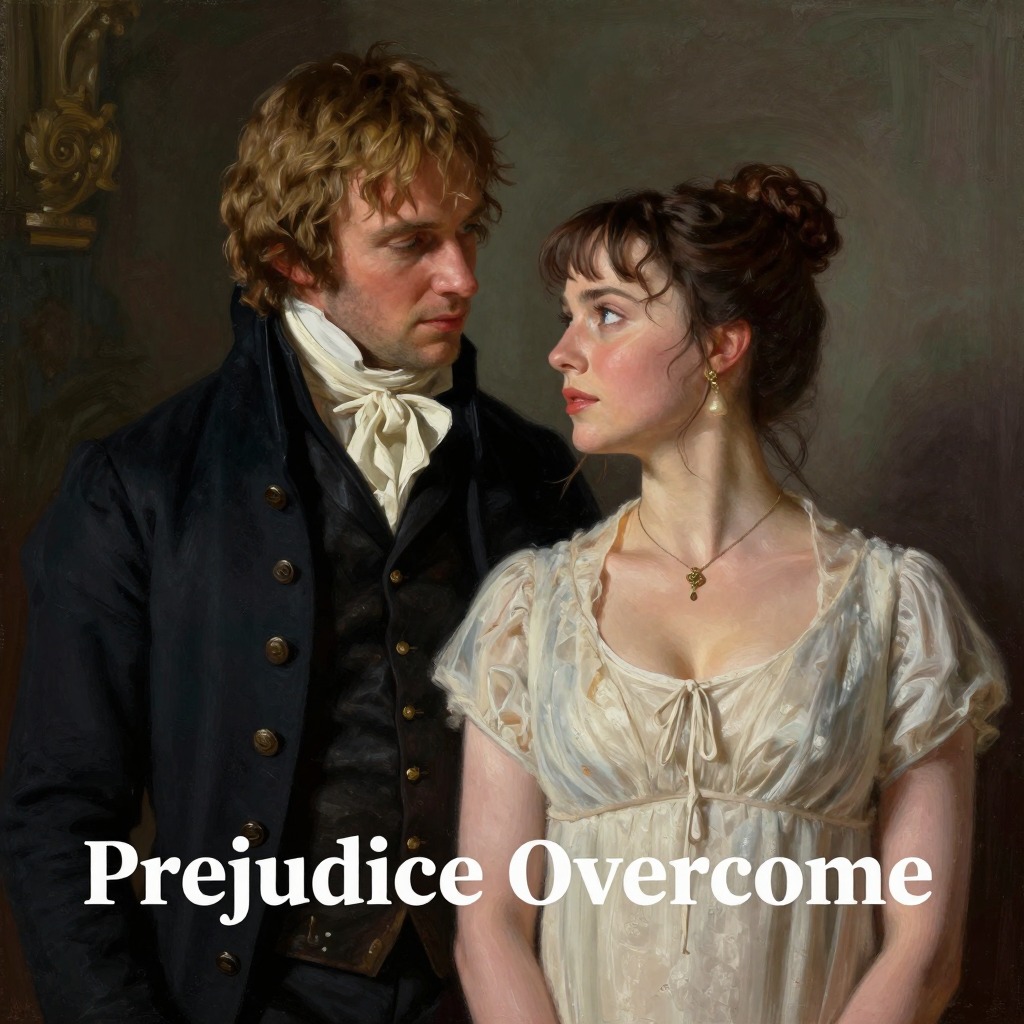
Elizabeth Bennet, due to a scarcity of gentlemen, is obliged to sit down for two dances. During this time, she is positioned near enough to overhear a conversation between Darcy and Bingley. Bingley, pressing his friend to dance, points out several pretty girls. Darcy, looking at Jane Bennet, acknowledges her as the only handsome girl in the room. Bingley then suggests his partner could introduce Darcy to Elizabeth, who is sitting nearby. Darcy turns, looks at Elizabeth for a moment, catches her eye, withdraws his own, and coldly says: "She is tolerable, but not handsome enough to tempt me; I am in no humour at present to give consequence to young ladies who are slighted by other men." Elizabeth, though she tells the story with great spirit among her friends, is left with no very cordial feelings toward him. This moment of public mortification becomes the foundation of her prejudice, a wound to her pride that she later articulates when she tells Charlotte Lucas: "I could easily forgive his pride, if he had not mortified mine."
Contrasting Characters and Social Dynamics
The evening powerfully contrasts the two central male figures. Bingley's amiability and Darcy's hauteur are set in stark relief. Bingley dances every dance and is angry the ball closes so early; Darcy is fastidious and refuses to engage. The assembly also reveals the social dynamics of Meryton: the eager matchmaking of Mrs. Bennet, who sees Jane admired by the Netherfield party and is delighted that Bingley danced with her twice; the general gossip and judgment of the neighbourhood; and the immediate formation of alliances and antipathies. Mrs. Bennet becomes one of the most violent against Darcy, her dislike sharpened into particular resentment by his slighting of Elizabeth. The evening ends with the Bennet family returning to Longbourn in good spirits, Mrs. Bennet full of praise for Bingley and venom for Darcy, while Mr. Bennet listens with characteristic irony.
Narrative and Thematic Significance
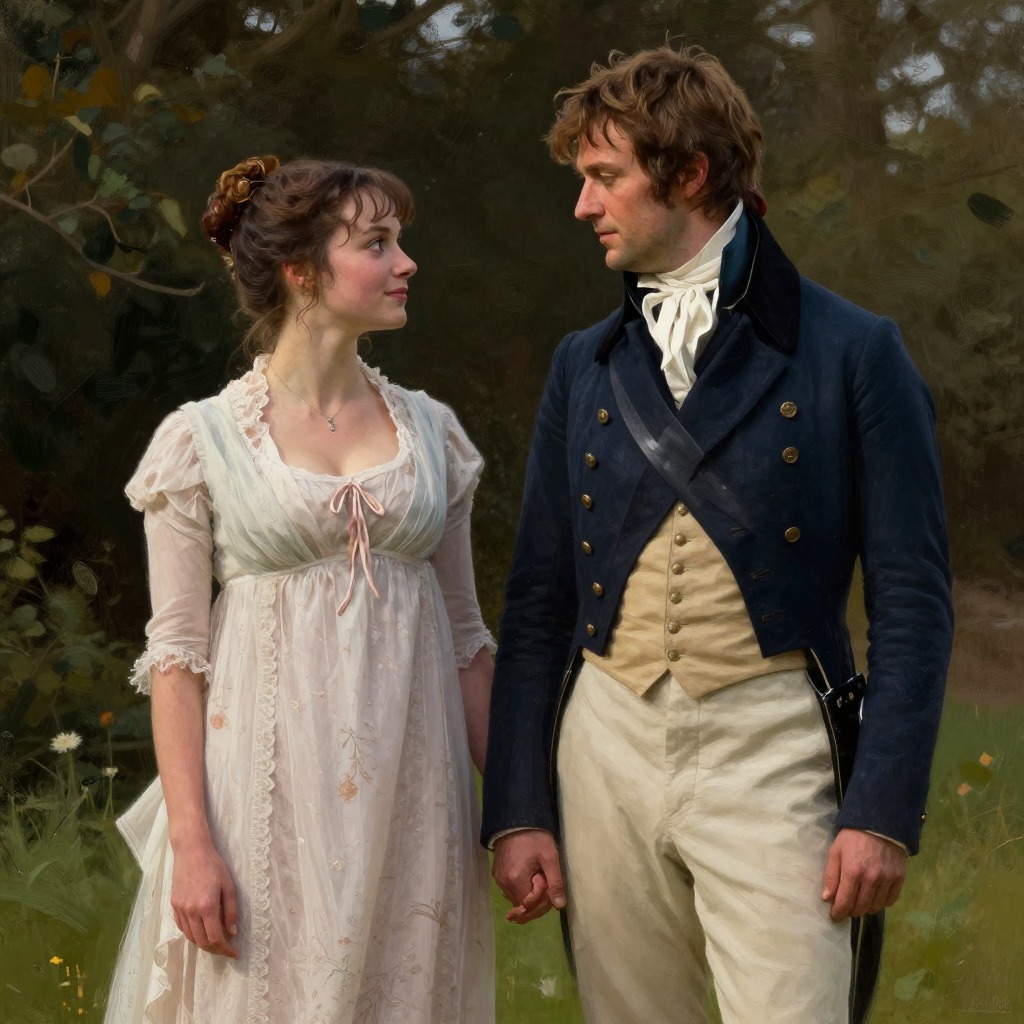
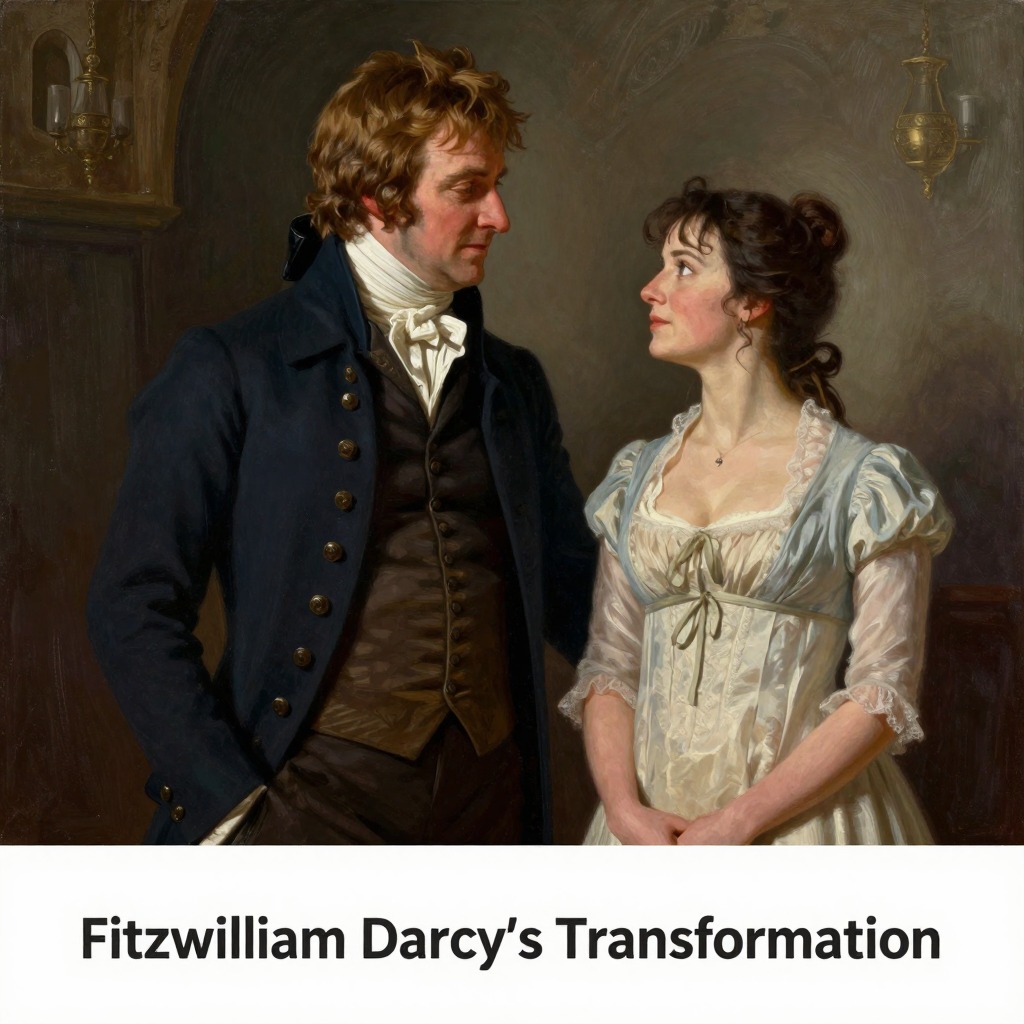
The Meryton Assembly functions as the novel's inciting incident, introducing the key romantic pairings and the central thematic opposition of pride and prejudice. It is the event that Elizabeth later recalls as the origin of her dislike for Darcy, a moment she references when she refuses his first proposal, telling him that from the very beginning of their acquaintance his manners formed the groundwork of her disapprobation. The assembly also establishes the social world of Hertfordshire—its provinciality, its preoccupation with marriage and fortune, and its quick judgments. Darcy's later transformation, his eventual civility at Pemberley, and his final proposal are all measured against this first, disastrous impression. The assembly is thus not merely a social occasion but a foundational scene that reverberates through the entire narrative, shaping the characters' trajectories and the novel's moral arc.