Earth
Project Hail MaryEarth is the third planet from the Sun and the only known world in the universe to harbor human civilization. In the novel, it is defined not by its geography or biology but by its existential crisis: the Astrophage infestation is steadily dimming the Sun, threatening every human on the planet with extinction. Earth is the reason the Hail Mary mission exists, the place Grace longs to return to, and the civilization whose survival hangs on the success of a single, desperate voyage.
The Astrophage Crisis and Earth's Response
When the Petrova line is discovered and the Sun's dimming is confirmed to be exponential, Earth's governments respond with unprecedented global cooperation. The United Nations secretly votes to give Eva Stratt absolute authority over the response, and she assembles the Petrova Taskforce, an international body of scientists and political operatives. The world's industrial base is redirected: China orients its factories to produce blackpanels, the Sahara Desert is paved with trillions of them to breed Astrophage for fuel, and Antarctica is nuked to release methane as a stopgap greenhouse measure to buy time. Climatologist François Leclerc estimates that without intervention, half of Earth's population—3.5 billion people—will be dead within nineteen years. The entire planet becomes a single, frantic engineering project, with every nation contributing resources and expertise to build the Hail Mary.
The Hail Mary Mission and Its Crew
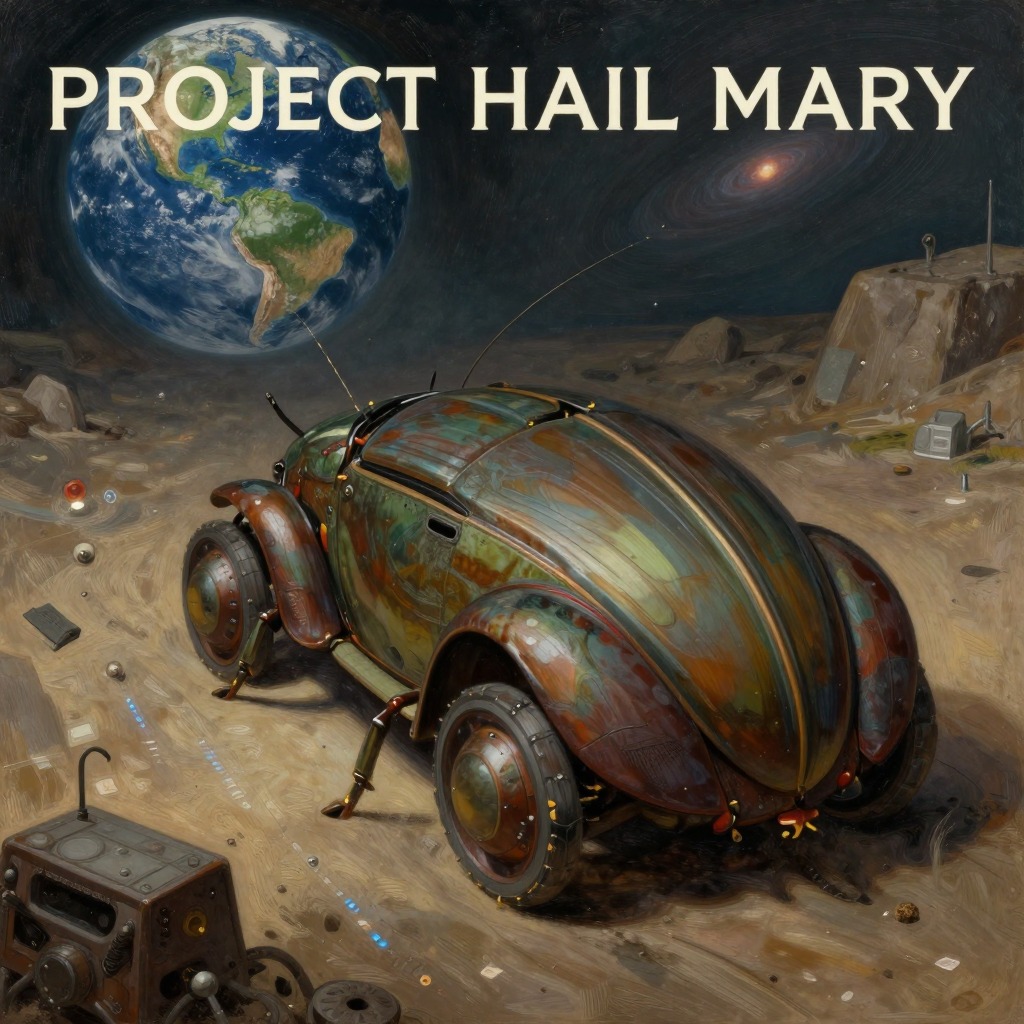
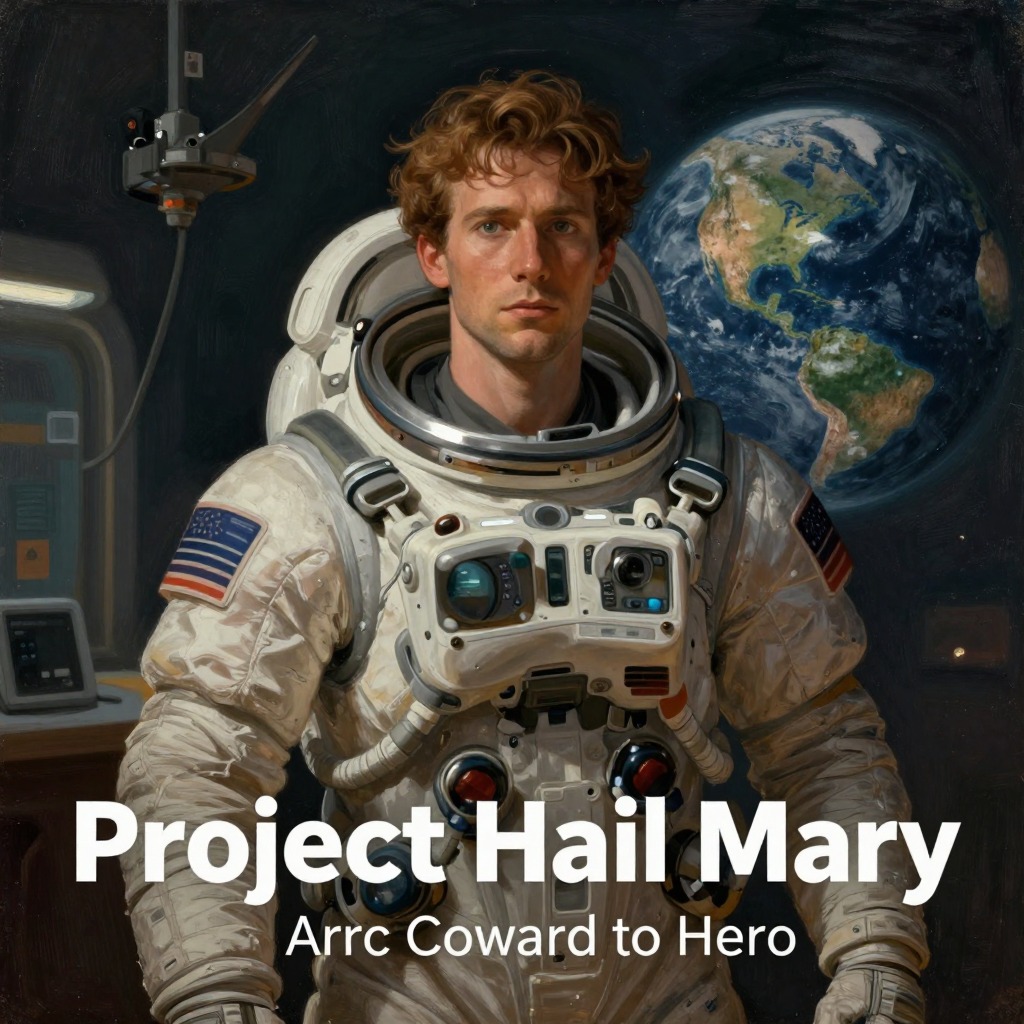
Earth builds the Hail Mary, an interstellar spacecraft powered by Astrophage, and selects a crew of three: Commander Yáo Li-Jie, Engineer Olesya Ilyukhina, and Science Specialist Martin DuBois (later replaced by Ryland Grace after DuBois and his backup Annie Shapiro are killed in an Astrophage accident at Baikonur). The mission is a suicide run—the ship has only enough fuel for a one-way trip to Tau Ceti, and the crew is expected to die there. Earth's scientists equip the ship with the collected knowledge of humanity, including every copyrighted book and piece of software ever created, and four beetle probes designed to carry data back. The crew is put into medically induced comas for the journey, a technology that works only on the one-in-seven-thousand humans who carry the coma-resistance genes.
Grace's Relationship with Earth
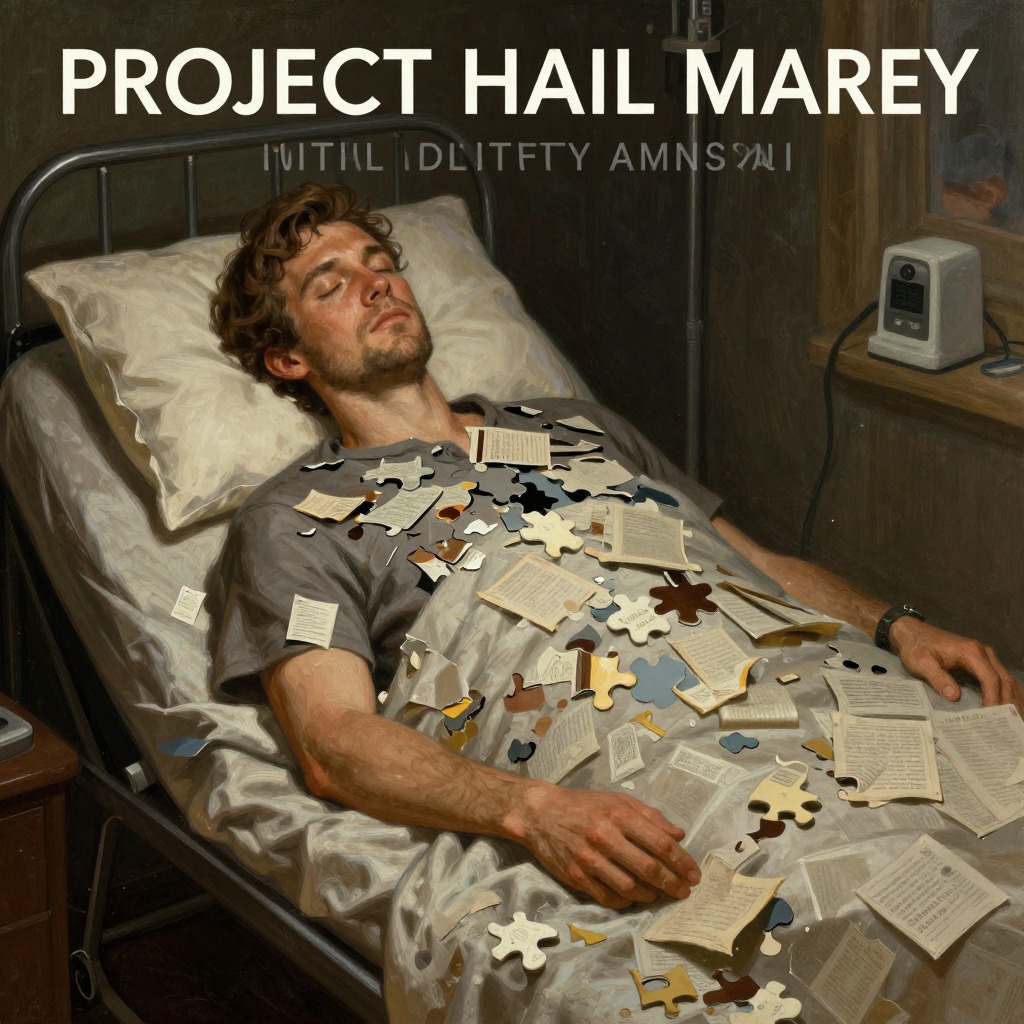
Ryland Grace, a junior high school science teacher from San Francisco, is drafted into the mission against his will. He is forcibly sedated and launched into space, his memory of the recruitment erased by a French amnesia drug. Throughout the novel, Earth is the object of his duty and his longing. He remembers his students—"my kids," he calls them—and the thought of their future drives him to continue working even when hope seems lost. When he discovers that Rocky can give him enough fuel to return home, he weeps with joy. Later, when he chooses to turn the Hail Mary around to rescue Rocky instead of heading home, he knowingly sacrifices his own return. Earth is saved not by his direct return but by the four beetles he launches, each carrying a mini-farm of Taumoeba-82.5, the nitrogen-resistant predator that will consume the Astrophage on Venus.
Earth's Fate and Legacy
Sixteen years after Grace arrives on Erid, Rocky brings him news: Sol has returned to full luminance. The Taumoeba have done their work, and Earth's sun is healthy again. Grace never learns the details of what happened on Earth during the twenty-six years of his absence—whether humanity cooperated or descended into war and famine—but the astronomical data confirms that the planet survived. Earth remains, for Grace, a distant and unreachable home, but one that he has saved. He spends the rest of his life on Erid, teaching Eridian children science on an organ keyboard, a living monument to the bond between two worlds.