
The Conflict Between Art and Reality
Promise at DawnThis thread traces the narrator’s effort to shape life according to artistic ideals and his gradual recognition that reality does not submit to a perfect design.
increasing Bearing strength in each event
 decreasing
Bearing strength in each eventdecreasingThe Dream of a Masterpiece
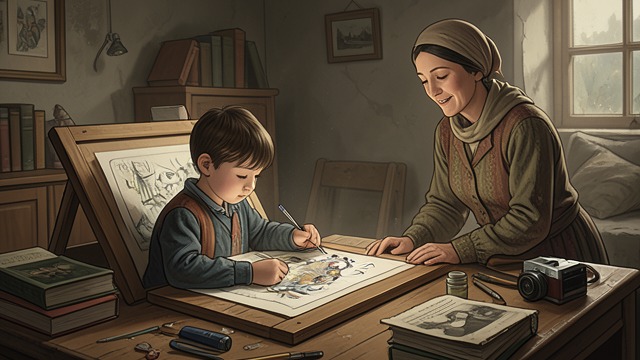
The Dream of a Masterpiece
A life planned as art
The narrator grows up believing that achievement can balance his mother’s sacrifices and reveal justice beneath hardship. The family treats future success as a work still being composed.
The world resists the plan
Poverty, ridicule, illness, and failed ambitions interrupt the expected progression. Each interruption deepens his urge to impose form on experience.
The Last Ball Eludes Him
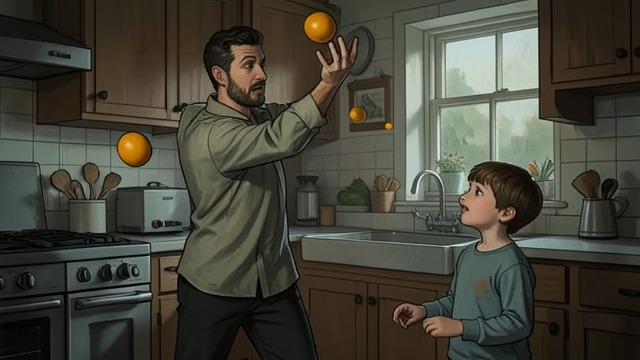
The Last Ball Eludes Him
Juggling toward perfection
He practices with oranges and other objects, hoping to achieve a feat that will transform his family’s circumstances. His devotion expresses a larger wish for mastery.
The absent final ball
In adulthood he realizes that the final ball he sought does not exist. The realization explains both artistic frustration and the human tendency to keep reaching beyond what can be attained.
The Artist as Prometheus
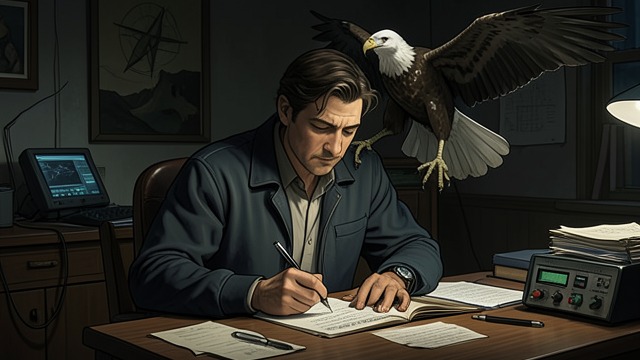
The Artist as Prometheus
Defiance after injury
When his mother collapses from illness, the narrator writes a story that imagines Prometheus eating the vulture that torments him. The old myth becomes an image of continued resistance.
Survival through creation
Writing cannot remove pain, but it gives pain a shape that can be answered. The artist becomes one who keeps working even when the task is unwinnable.
Life Refuses the Script
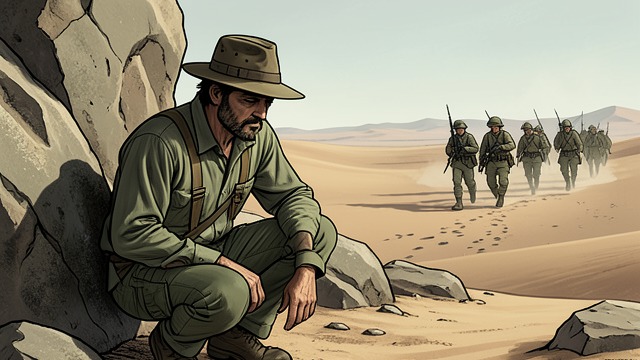
Life Refuses the Script
A humiliating detour
The narrator hides in the Meknès Bousbir while trying to evade military authorities. The situation is far removed from the heroic role he imagined for himself.
The design breaks
He recognizes that life cannot always be molded into the beautiful story he wanted to live. The recognition does not end his effort, but makes his idealism more self-aware.
An Ironic Final Work
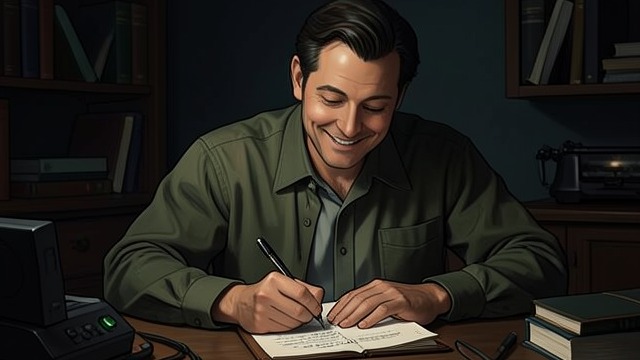
An Ironic Final Work
Acknowledging defeat
The narrator sees that he has not made the world just or fully explained its suffering. His mother’s death is not redeemed by the achievements she imagined.
Refusing resignation
He treats the smile he retains as a final literary gesture. It cannot change the past, but it refuses the certainty that human striving is meaningless.
Childhood in Vilna
From adolescence into adulthood
During his first sustained attempts at writing
During the war in North Africa
At Big Sur, near the ending
