
The Limits of Victory
Promise at DawnThis thread follows the narrator’s repeated efforts to turn personal success into a final victory over suffering, and his eventual acceptance that the struggle continues beyond him.
increasing Bearing strength in each event
 decreasing
Bearing strength in each eventdecreasingA Personal System of Justice
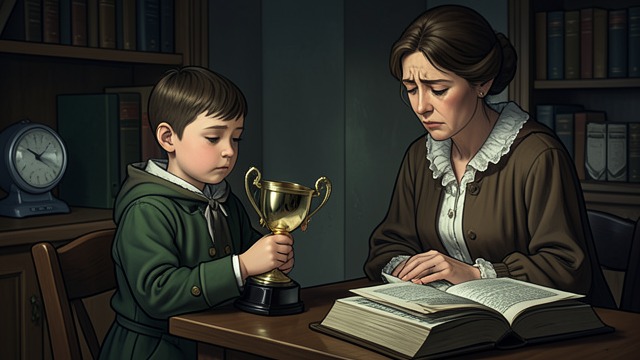
A Personal System of Justice
The child as balance
The narrator believes his achievements can compensate for his mother’s suffering. He sees himself as the happy ending that will make her sacrifices meaningful.
A burden of scale
This belief gives him courage but makes ordinary failure feel catastrophic. He is trying to repair more than a family’s circumstances.
Battles Without the War
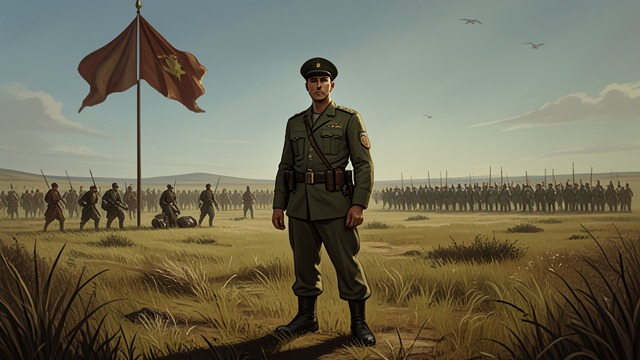
Battles Without the War
Repeated local victories
The narrator survives illness, combat, and setbacks, and sometimes earns honors. Each success brings relief but not the final reconciliation he seeks.
A larger conflict remains
He recognizes that people can win many battles and still lose the war. The phrase describes both individual limits and humanity’s unfinished struggle.
The Mother’s Death
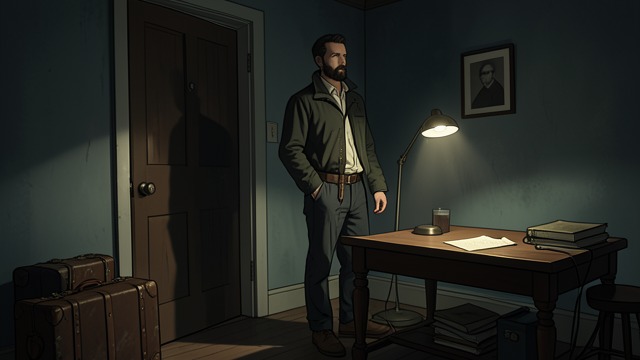
The Mother’s Death
The promised reunion breaks
The narrator’s mother dies before he can return, leaving his imagined future without its intended witness. The loss seems to make the world’s injustice undeniable.
A final act concealed
Her letters continue arriving after her death, allowing him to persist. Her care delays the full revelation until he has survived the war.
Coming Home Too Late
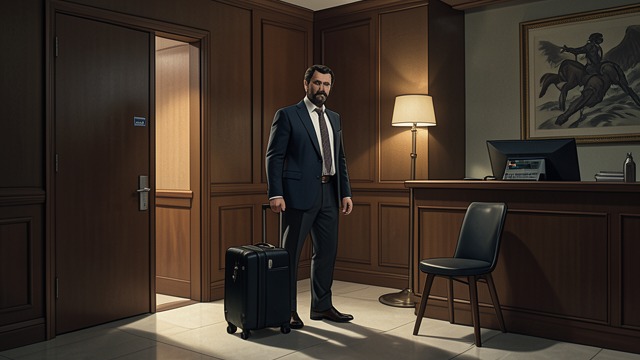
Coming Home Too Late
The empty hotel
The narrator returns to Hôtel-Pension Mermonts and finds that his mother is gone. His military and literary achievements cannot bring him to the reunion he imagined.
The promise survives
He understands that the letters had carried her strength to him. The outcome is not the victory he wanted, but it leaves him with the knowledge of her final devotion.
Victory Shared Forward
Victory Shared Forward
Giving up individual triumph
The narrator acknowledges that he could not personally make life just or repay everything his mother gave him. His failure is real but not universal.
Humanity takes the torch
He imagines future hands continuing the struggle. The possibility of shared effort replaces the fantasy that one person can complete the work alone.
Childhood in Vilna
During his military service
A few weeks after his departure for England
After the liberation of Nice
At Big Sur, in the closing reflection
