Bordeaux-Mérignac Airfield
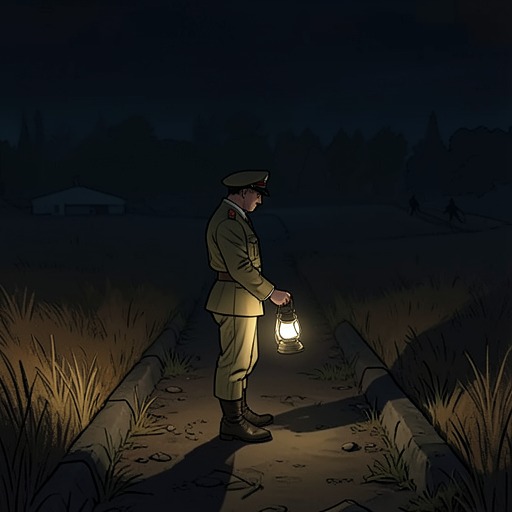
Promise at DawnBordeaux-Mérignac Airfield was both a gathering point amid France’s military collapse and the setting of a failed escape attempt that marked Romain Gary’s memory of wartime loss. In June 1940, aircraft and displaced travelers crowded its landing ground as the airfield’s control tower and switchboard carried some of the last communications from a government and army losing their ability to coordinate events.
A crowded airfield in June 1940
On June 15, 16, and 17, aircraft of many sizes and designs arrived in a continual stream, accumulating on the ground. Some dated from the First World War; others had barely moved beyond the drawing board. Their passengers had taken whatever transport they could find. In Gary’s account, the landing field seemed to gather the history of two decades of French military aviation just as the French Air Force was nearing collapse.
The crews and their improvised circumstances made the scene as striking as the machines. Gary recalls a Fleet Air Arm pilot carrying a sleeping child from his fighter, and a Simoun aircraft transporting a group with pets, carpets, and a painting. Amid the disorder, the airfield held an unlikely assortment of people fleeing or moving through a country whose familiar structures were breaking down.
The plan to reach England
Gary resolved to follow Charles de Gaulle to England with three friends in a Den-55, an unfamiliar aircraft none of them had piloted. De Gaches, who had three hundred hours of flying experience, was to take the controls. Their plan was to make a trial circuit of the airfield, land to let the mechanic out, and then set course for England. The group’s determination to refuse defeat bound together companions who otherwise had little in common.
As De Gaches and two others boarded, Gary struggled with his parachute belt. Just as he was about to climb aboard, an airman on a bicycle brought word that he was urgently wanted at the control tower. Gary believed the message came from his mother. He told De Gaches to make the trial circuit without him and pick him up at the hangar, then borrowed the corporal’s bicycle and rode toward the tower.
The crash and the interrupted escape
From near the control tower, Gary saw the Den-55 take off. It rose to about sixty feet, appeared to hang in the air, then tilted, plunged to the ground, and exploded. Gary had stepped away from the aircraft moments before its departure; the planned journey to England ended before he could join it. His account presents the crash as the first of the sudden losses of comrades that would accumulate over his years of service.
The interruption turned a proposed escape into a defining memory of absence. Gary connects the moment to the many later deaths that left him feeling that the dead remained present in the spaces of his life. The airfield’s failed departure therefore matters not only as a thwarted attempt to reach England, but as an early scene in the narrative of wartime bereavement.
The control tower and the last communications
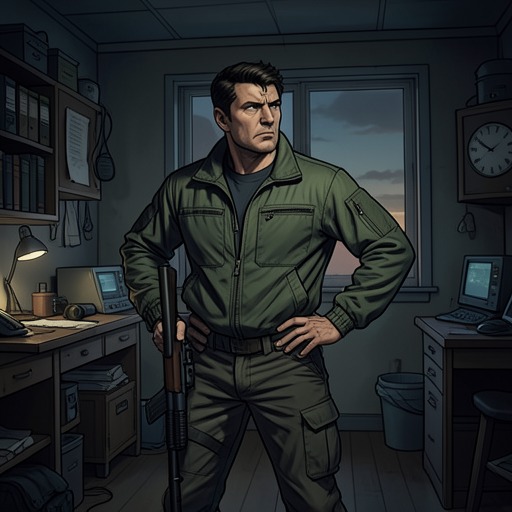
Gary went directly through a crowd of generals to the switchboard. By then, the airfield and Bordeaux were among the channels through which news and appeals still reached the outside world. The telephone lines had carried Winston Churchill’s voice when he came to France in an effort to prevent the armistice; generals, journalists, and ambassadors also sought information or sent reports from the area.
That communications hub stood against a larger failure of command. As the army lost contact with its troops and ordinary organization gave way, decisions fell increasingly to isolated units. The airfield’s switchboard thus belonged to the closing hours of a national crisis: a place where messages could still pass, even as the systems that might turn them into coordinated action were coming apart.