Den-55
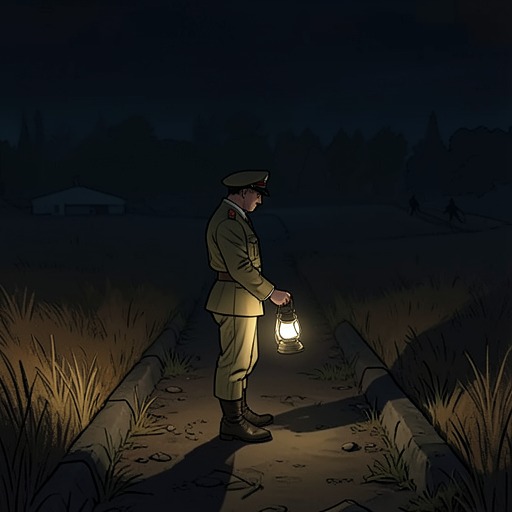
Promise at DawnThe Den-55 was an entirely new type of aircraft that Romain Gary and three friends chose for their attempt to reach England and continue fighting. None of them had piloted one before. Its brief flight from Bordeaux-Mérignac Airfield ended in a crash and explosion, while an urgent telephone message drew Gary away just before he could board. The aircraft thus became bound to both an aborted escape and the sudden death of comrades.
An unfamiliar aircraft and a shared decision
Gary recalls deciding to follow de Gaulle to England with three friends, using a Den-55 that none of them knew how to fly. Their resolve to refuse defeat was the bond they shared; the differences between them, he says, intensified their sense of a common mission. De Gaches, who had three hundred hours of flying experience, was to pilot the plane. His presence lent the group’s decision the appearance of respectable French bourgeois approval, even as Gary described their intended departure as desertion to England.
The planned flight
The Den-55’s unfamiliar handling made a mechanic’s last-minute instructions necessary. The plan was to circle the airfield once, land to let the mechanic out, then take off again for England. De Gaches took the controls, and Belle-Gueule and Jean-Pierre boarded first. Gary was still adjusting his parachute belt when an airman arrived by bicycle with an urgent message summoning him to the control tower. Gary left the others to make the trial circuit and expected the plane to collect him at a hangar afterward.
Crash at Bordeaux-Mérignac
As Gary neared the control tower, the Den-55 began its takeoff. He stopped and watched: the aircraft rose to about sixty feet, appeared to hang in the air, tipped high onto its tail, swung left on one wing, and plunged into the ground, where it exploded. The account does not identify a mechanical fault or otherwise explain why it crashed. Its violent end, rather than any successful passage to England, defines the plane’s place in the episode.
Separation, loss, and memory
Gary understood the telephone message to be from his mother, although the passage does not establish who had actually called. That conviction drew him away from the aircraft at the decisive moment. Watching it crash, he describes experiencing the first sudden blast of the loneliness that would return with each new loss of a comrade. The Den-55 therefore stands at the beginning of an enduring pattern in his narrative: a moment of separation becomes inseparable from the memory of those who did not return. The later image of emptiness crowded with the dead gives the crash a significance extending beyond the airfield and beyond this single failed flight.