England
Promise at DawnEngland is both the destination of Romain Gary’s attempts to continue the war and the setting where his uncertain escape becomes military service. He reaches it after leaving North Africa by sea, trains with the Free French Forces, and watches the Battle of Britain from the edge of the fighting before departing for Africa. His time there turns a hoped-for direct entry into combat into a period of waiting, preparation, and eventual deployment.
A destination pursued by different routes
In June 1940, after deciding to follow Charles de Gaulle to England, Gary and three friends set out to use a Den-55, an unfamiliar aircraft. The plan places England in his mind as the immediate refuge from defeat, but his later journey takes a more complicated course. In Casablanca, where he and two other flying-school trainees are searching for passage, they encounter a Polish corporal who tells them that the cargo ship Oakrest will soon sail with Polish troops from North Africa. The men pass the harbor guards with help from Polish uniforms and officers, and board the ship.
From Gibraltar, Gary swims to a French destroyer that he believes is returning to North Africa. He learns instead that it is bound for England with twelve Air Force sergeants joining Charles de Gaulle. Although he and the sergeants condemn the British fleet’s attack on its former ally, they also recognize that Britain intends to continue the war. Gary declines an invitation to remain aboard and help with kitchen work, then returns to the sea. The destroyer’s course and the seventeen-day voyage from Gibraltar to Glasgow carry him toward England by a route shaped by improvisation, political anger, and the decision to keep fighting.
Training and the Battle of Britain
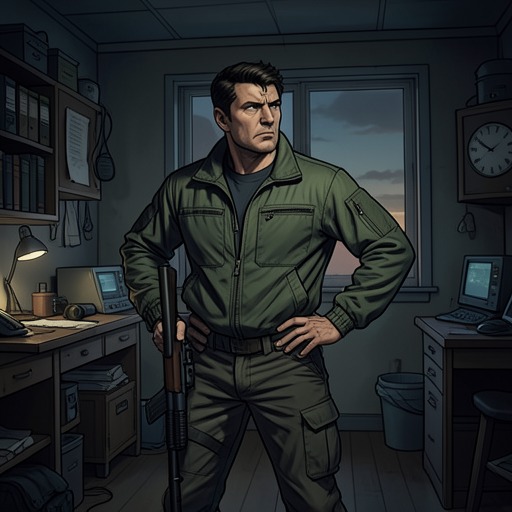
After reaching England, Gary is transferred to Andover for training and posted to the Free French Lorraine Squadron, commanded by Astier de Villatte and preparing to leave for Africa. The Battle of Britain is being fought overhead, but Gary is not among the French pilots taking part. He watches young English airmen land in bullet-damaged Hurricanes, refuel, reload, and return to combat. Wearing a brightly colored scarf like the pilots, he regards it as his only contribution to the battle. His position is that of a witness and trainee: close enough to see the repeated departures for the fighting, but not yet able to join them.
The experience also alters his view of Britain. Despite the destruction of the French fleet and his anger at the British action, he describes a sense of friendship and respect for Britain among the free people walking its soil in July 1940. England is therefore not simply a safe destination. It is also the place where the continuation of the war becomes visible and where Gary’s opposition to the attack on the fleet coexists with recognition that Britain is still fighting.
London leave and departure for Africa
When training ends, Gary and his companions receive four days’ leave in London before sailing for Africa. During an air raid, he spends time at the Wellington, a gathering place for Allied airmen, with a young poet from Chelsea. The episode places the threat of bombing alongside the ordinary social life of servicemen on leave, without making London a prolonged home for him.
England’s role in Gary’s wartime story is consequently transitional but decisive. He arrives intent on pursuing the fight, spends a period training rather than joining the Battle of Britain, and leaves for Africa as part of the Lorraine Squadron. The country marks the passage from escape to organized service: not the fulfillment of his first hope to fight immediately, but the staging ground from which he moves toward an active military role.