Opening of Hôtel-Pension Mermonts
Promise at DawnThe opening of Hôtel-Pension Mermonts in Nice grew out of a property sale that was meant to secure Romain Gary's first year at the University of Aix-en-Provence. When the buyer chose to make the building a hotel and restaurant, the arrangement gave his mother the management role and set both mother and son to work in a business that demanded far more than its polished prospectus suggested.
From property sale to hotel
For months, Romain Gary's mother had searched for a buyer for the seven-story building on the former Boulevard Carlonne, now Boulevard Grosso. The sale was intended to pay for her son's first year at university. The eventual buyer arrived unexpectedly in a Rolls-Royce: M. Jedwabnikas, a millionaire and the husband of a former patron of his mother's fashion house in Vilna. Impressed by her energy and enterprise, he decided to turn the building into a hotel and restaurant and appointed her manageress.
The Hôtel-Pension Mermonts opened with a freshly painted façade and a prospectus promising an establishment for international visitors. Romain Gary wrote that prospectus. Its name joined the words for sea and mountains, a fitting image for a hotel in Nice, but the business began with limited resources and a manager who had no special training in hotelkeeping.
A family-run business
The hotel comprised thirty-six bedrooms, two floors of suites, and a restaurant. Its staff consisted of two housemaids, a waiter, a chef, and a dishwasher. The enterprise nevertheless got off to a strong start, and his mother became a capable professional within weeks. Romain Gary, then sixteen, filled several roles: receptionist, guide on conducted tours, maître d’hôtel, and a general presence meant to make a good impression on guests.
The work brought him into unusually frequent contact with strangers. Guests arrived mainly in organized parties sent by travel agencies, with English visitors predominating. The narrator places the hotel in the early period of mass tourism, when many visitors were modest in their expectations and grateful for personal attention. The business therefore became not only a source of income but also the young Romain Gary's first sustained experience of serving a broad public.
The work behind the welcome
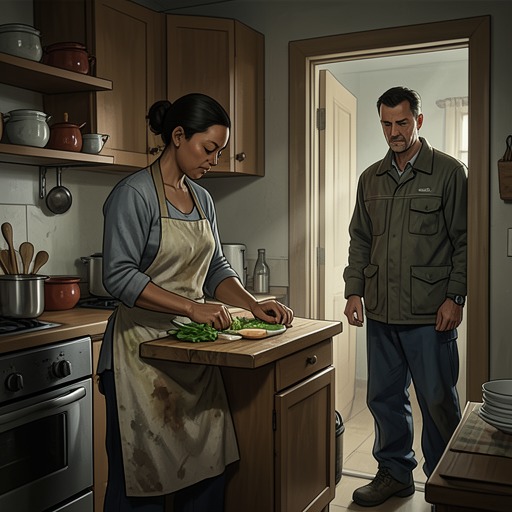
His mother's management extended from purchasing to daily operations. She rose at six, went to Buffa Market for provisions, and returned with fruit and flowers. At the hotel she planned menus, dealt with tradespeople, supervised breakfast service, heard guests' requests, prepared picnic baskets for excursions, inspected the cellar, kept accounts, and attended to the remaining details of the business. Her belief in fruit was so strong that she required her son to eat at least a kilogram a day.
The physical demands of the work eventually brought an important secret to light. After repeatedly climbing the stairs between the restaurant and kitchens, his mother collapsed. A doctor diagnosed hypoglycemia caused by an excessively strong insulin injection. Romain Gary then learned that she had been diabetic for years and injected insulin each morning before beginning her work. The discovery changed the meaning of her apparent tirelessness: the hotel depended on a woman whose illness she had concealed even while carrying its daily operations.
Consequences and significance
The hotel's opening linked the family's immediate financial needs to Romain Gary's education and gave his mother a new field in which to exercise the energy that had already impressed the buyer. Its modest staffing and wide range of services made her achievement especially visible, while her son's many duties brought him into the world of work and public contact at an early age.
In retrospect, Hôtel-Pension Mermonts also became part of the narrator's lasting knowledge of hotels: he later reflected on his mother's accomplishment in light of his own life spent in hotels around the world. The opening thus marks both a practical turning point for the family and an early example of his mother's resourcefulness, alongside the concealed vulnerability that the business's demanding routine eventually revealed.