Winning battles without winning the war
Promise at Dawn“Winning battles without winning the war” is the narrator’s expression for the difference between surviving particular ordeals and overcoming the deeper, continuing struggle of human existence. Its force comes from joining personal endurance to a hope that reaches beyond any one life: repeated victories do not guarantee that the larger war has been won, but they do not make eventual victory impossible.
Personal Struggle and the Larger War
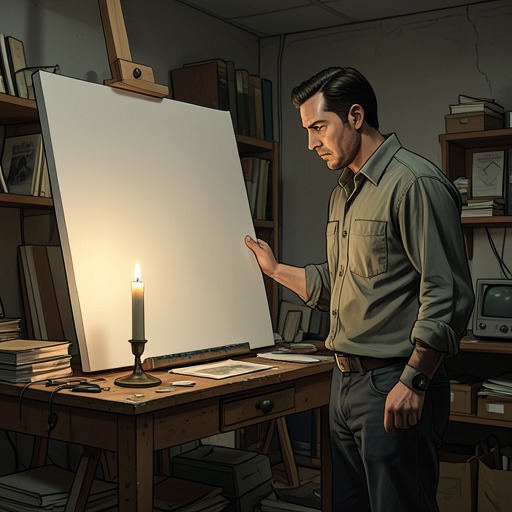
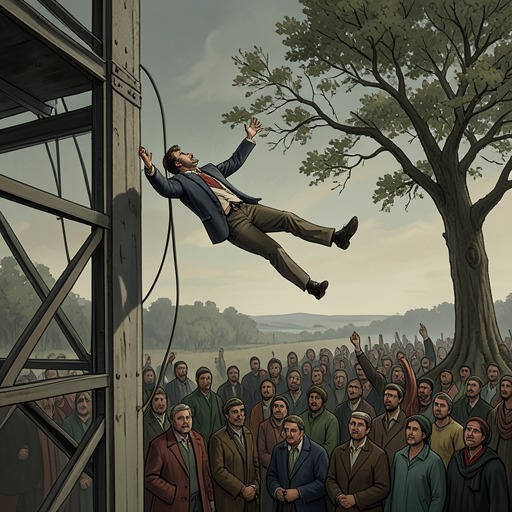
The expression follows the narrator’s account of having been gravely ill and having fought through the illness. He distinguishes the battle he won from the war that remains unresolved: individuals may overcome one crisis after another and still die before the larger conflict ends. The image of people dying “with our hands full of victories” holds achievement and defeat together. Those victories are real, but they do not amount to a final settlement.
A Collective Hope
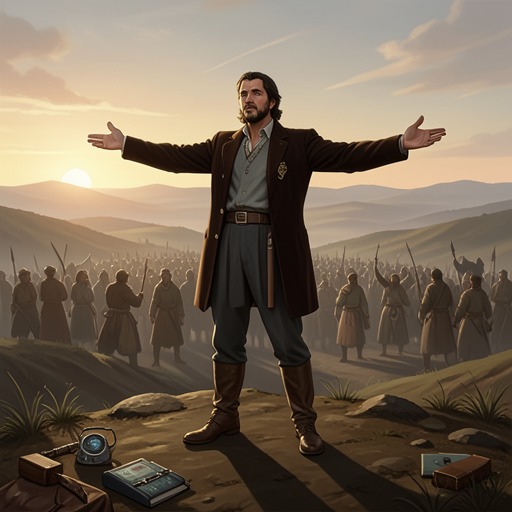
The narrator extends the metaphor from an individual life to humanity’s long struggle, which he says has continued since the beginning of time. He believes that human beings will one day tear away the mask of darkness, chaos, and absurdity and confront a truth radiant with meaning, justice, and love. The expression is therefore neither simple consolation nor an admission of futility: it recognizes that progress can be partial and that suffering can outlast a person, while insisting that the unfinished struggle remains worth continuing.