Kingsdowne Place
Queen of HeartsKingsdowne Place is the ancestral seat of the dukes of Eynsford, a grand Kent estate whose polished lawns, lake, fine horses, and elaborate meals make it seem insulated from the Depression. For Lady Georgiana Rannoch, however, its beauty is inseparable from the stillness of aristocratic life: the house offers comfort and ceremony, but little useful work or independence.
The Estate and Its Setting
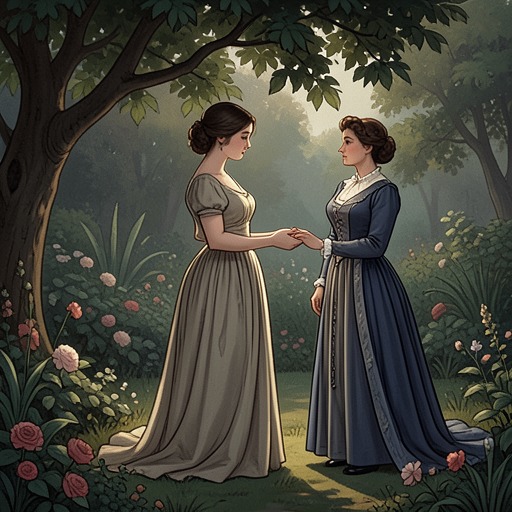
Kingsdowne Place is presented as an exemplary stately home: opulent and elegant, with extensive grounds, a stable of fine horses, and a household accustomed to successive extravagant courses. In the opening scene, battlements are reflected in a lake where swans glide past a manicured lawn. A chestnut tree shades Georgiana’s white wicker chair; the tea table is laden with cucumber and smoked-salmon sandwiches, strawberries and cream, éclairs, Victoria sponges, petits fours, and scones with clotted cream. The ordered abundance makes the estate appear untouched by the economic hardship beyond its grounds.
The estate’s calm is also part of its social performance. Bees among the roses, a distant lawn mower, and a village cricket match frame a seemingly perfect English summer afternoon. Yet Georgiana experiences that afternoon not as contentment but as boredom, a contrast that unsettles the conventional image of aristocratic comfort.
Georgiana’s Residence and Duties
A few months before the diary entry set on Monday, July 9, 1934, Georgiana had been asked to teach the newly discovered heir to the dukes of Eynsford the ways of polite society. After plots and a murder disrupted her stay, she remained at Kingsdowne Place out of duty, providing companionship to the dowager duchess. Her account connects that decision to the Rannoch family’s insistence on duty, a principle she says had been instilled in her from childhood.
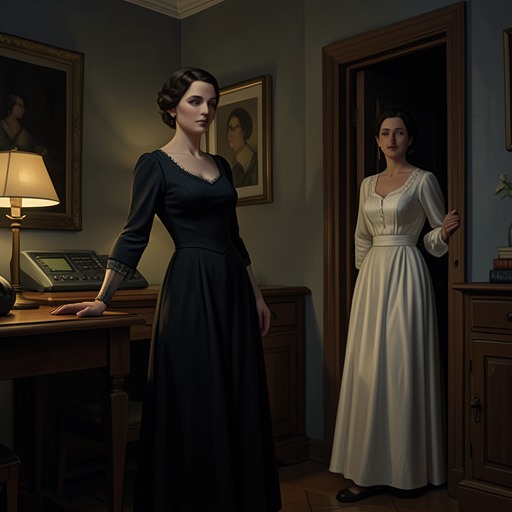
The household becomes quieter after Darcy O’Mara leaves on another of his far-flung missions and the younger Eynsford relatives disperse. Georgiana is left among the dowager duchess, her two sisters, and several dozen servants. Though the estate has abundant space and material comforts, its reduced company sharpens her longing for younger companions and a change of scene. The arrival of her mother seems to offer just such a change.
Privilege, Work, and Boredom
Kingsdowne Place’s luxury is set against Georgiana’s lack of practical options. She wants useful work and an income, but believes her education has prepared her for the rituals of gentility rather than employment. In a depressed economy, she sees even qualified people struggling to find work, while her royal relatives would disapprove of her taking an ordinary shop or tea-room job. The estate therefore embodies both privilege and confinement: Georgiana has leisure unavailable to many, but her rank narrows the kinds of work she can pursue.
Her position is further complicated by her uncertain prospects for marriage. She rejects the idea of marrying a foreign prince merely to preserve a dynasty, yet the man she hopes to marry, Darcy O’Mara, is as penniless and without prospects as she is. The grandeur of Kingsdowne Place cannot resolve that financial impasse. Its abundance instead throws the couple’s lack of means into relief.
Narrative Role
The estate establishes the book’s social world through a deliberate contrast between outward perfection and inward dissatisfaction. Its landscape and rituals promise ease, while Georgiana’s diary voice reveals boredom, limited employment choices, and the demands of family duty. Kingsdowne Place is not simply a luxurious backdrop: it is the setting in which aristocratic status protects Georgiana from some hardships but also restricts her independence, making her desire for activity and a different life legible from the outset.