
Queenie and Her Grandparents’ Uneasy Shelter
QueenieThis thread traces how Queenie Jenkins moves from dependence and conflict with Veronica and Wilfred toward a complicated family shelter that permits her to seek help and regain independence.
increasing Bearing strength in each event
 decreasing
Bearing strength in each eventdecreasingAunties and Grandparents as Anchors
Aunties and Grandparents as Anchors
Family Care in Everyday Form
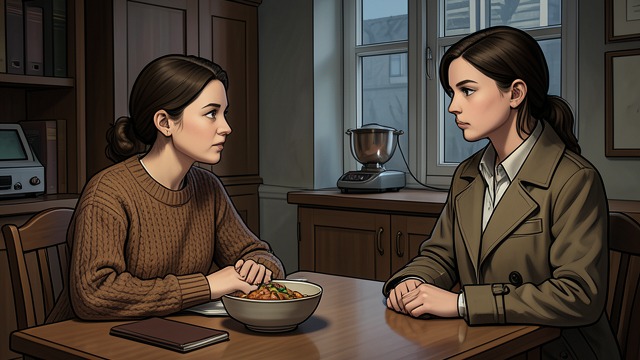
Queenie’s grandparents and Aunt Maggie provide a constant presence even when their advice feels intrusive or old-fashioned. Veronica feeds her, monitors her health, and asks after her relationships; Wilfred offers quieter attention, while Maggie supplies loud concern and comic certainty. Their care is often expressed through food, practical help, and questions Queenie would rather avoid.
Support With Friction
Queenie does not always experience this care as comfort. Religious admonitions, warnings about men, and family expectations can make her feel judged or crowded. Yet when she is in crisis, these relatives are among the people she calls or returns to. Their imperfect support forms a safety net whose value becomes clearer when her independence and other relationships collapse.
A Home After the Breakdown
A Home After the Breakdown
Returning to Family
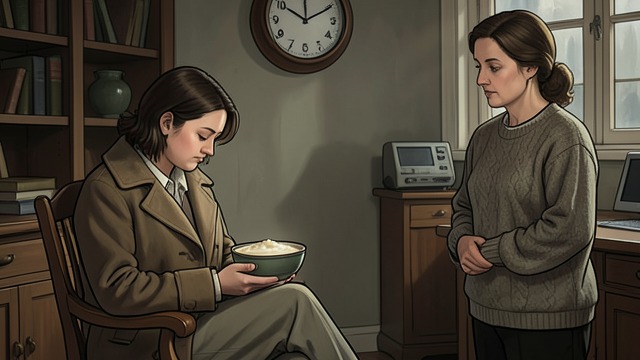
After she is suspended from work and suffers a severe panic attack, Queenie moves in with Veronica and Wilfred. She expects rest but finds herself back inside a household governed by chores, timed baths, porridge, and strict routines. The move feels like a humiliating loss of independence, especially to a woman approaching twenty-six.
Shelter That Does Not Feel Simple
The grandparents’ home is clean and materially secure, but Queenie’s distress does not vanish there. She hides symptoms so they will not interpret them as weakness, while their practical demands often overlook how ill she feels. The arrangement offers protection without automatically offering emotional ease, making family care both a refuge and a source of tension.
The Ban on Therapy
The Ban on Therapy
A Collision Over Help
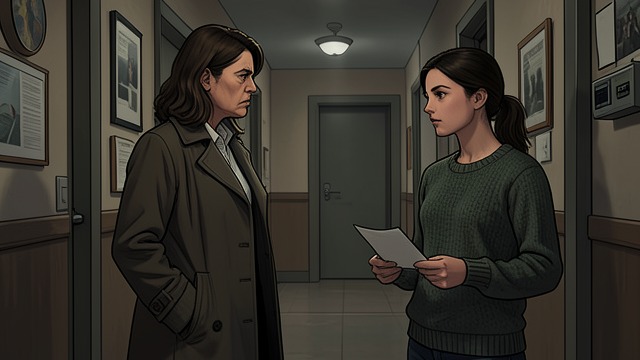
When Veronica discovers the appointment letter for talk therapy, she reacts as if Queenie’s decision brings shame on the family. She argues that everyone carries pain and that Queenie should endure it rather than seek professional help. Her response reflects a family culture in which survival has long been confused with silence.
Wilfred’s Quiet Intervention
Wilfred surprises Queenie by telling Veronica to let her go, suggesting that earlier generations might have carried less pain if they had learned to talk about their troubles. His support does not end the household’s disagreements, but it gives Queenie permission to continue. The moment marks a small generational shift: care can include allowing someone to seek a form of help the family does not yet understand.
Nighttime Comfort
Nighttime Comfort
Fear in the Dark
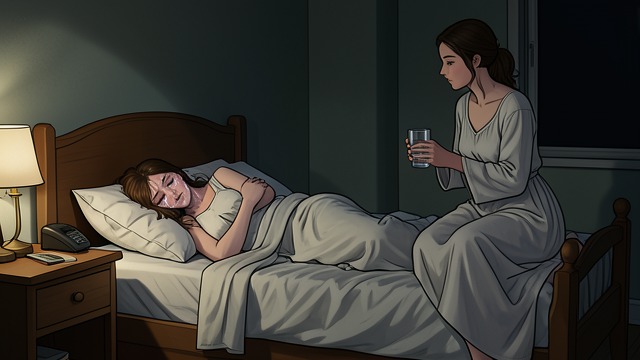
Queenie’s sleep is disturbed by nightmares and sleep paralysis, leaving her frightened and unsure how much of her inner life she can reveal. Even at her grandparents’ home, she worries that her night terrors will scare them or expose how badly she is struggling. Her habit of concealing vulnerability continues inside the very place where she is being cared for.
Veronica Makes Room
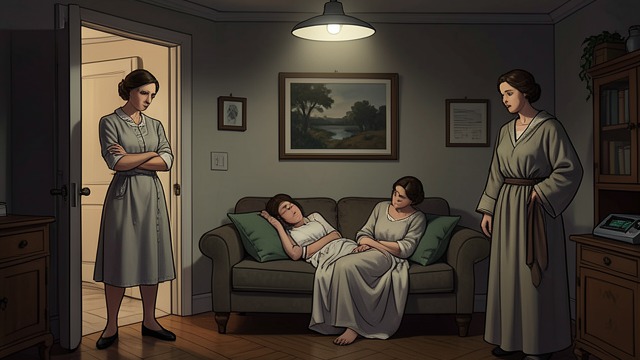
When Queenie wakes in the night, Veronica checks on her, brings water, and eventually climbs into bed beside her. Queenie rests her head on her grandmother’s chest, while Veronica assures her that she carried her as a baby and can bear her weight now. The physical reassurance gently contradicts Queenie’s fear that her needs are too much for others.
A Supported Departure
A Supported Departure
Independence Reconsidered
As Queenie prepares to leave, Veronica worries that living alone will expose her to danger, and Maggie echoes concerns about her panic attacks. Their fears show how much the family has come to watch over her, but they also risk treating recovery as fragility. Wilfred counters them with a blunt confidence in Queenie’s sturdiness.
Pride Beneath the Teasing
Wilfred tells Queenie that he once feared she would give up as Sylvie had under Roy’s abuse, but that she did not let it take her. Diana also tells her the family is proud of her progress. Queenie’s departure is therefore more than a practical move: she leaves a demanding household with a clearer sense that she is loved, capable, and not required to remain dependent to belong.
Before and during Queenie’s relationship with Tom
After Queenie’s work suspension
Several weeks after Queenie moves in
During the first weeks at her grandparents’ home
When Queenie prepares to move into her own studio flat
