
The Goblin Project
REThis flow traces how Tabitha Moore transforms personal humiliation into the fantasy architecture of Goblina and Goblin Princess.
increasing Bearing strength in each event
 decreasing
Bearing strength in each eventdecreasingThe Returning Manuscripts

The Returning Manuscripts
Tabitha Moore decides to revise Goblina and Goblin Princess using the craft knowledge gathered during her first life.
Second Draft
The novels become a practical chance to repair a failed creative career.
Personal Stakes
Writing is also a way to save Julia by making the story worthy of the friend who once believed in it.
Magi and Goblins
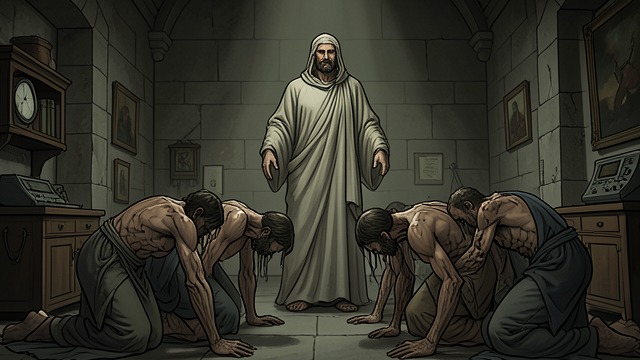
Magi and Goblins
Tabitha Moore develops a world where magical power defines social worth and powerless people are deformed into Goblins.
Hierarchy
The Magi-goblin caste order turns bodily difference into political exclusion.
Allegory
The fantasy premise translates Tabitha’s experience of poverty, appearance, and dehumanization into speculative form.
Alicia’s Visual Language
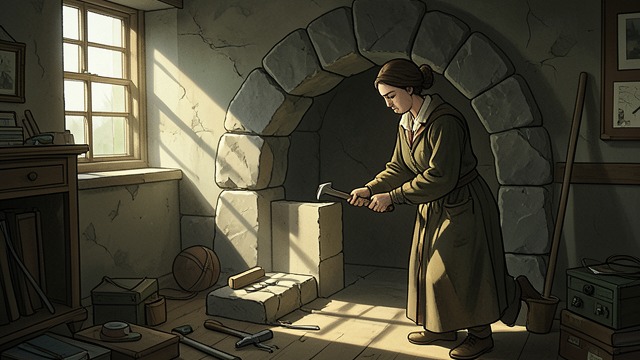
Alicia’s Visual Language
Alicia Brooks begins analyzing the architecture, bodies, and environments needed to render Goblina convincingly.
Research
She studies masonry, stone arches, and construction details rather than relying on generic fantasy imagery.
Collaboration
The project becomes a shared apprenticeship in seeing how worlds are physically made.
The Stolen Binder
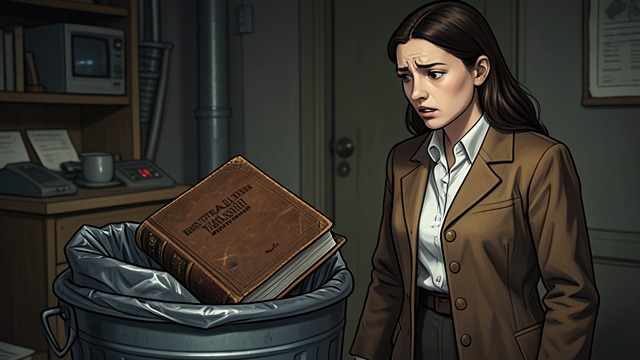
The Stolen Binder
The Goblina binder is stolen from Tabitha Moore’s desk and thrown into a restroom bin.
Violation of Meaning
The theft feels like the destruction of her reconstructed identity, not merely lost homework.
Recovery
Pamela Cribb returns the binder and recognizes that its contents are unusually mature and deeply personal.
The Silk Road Chapter
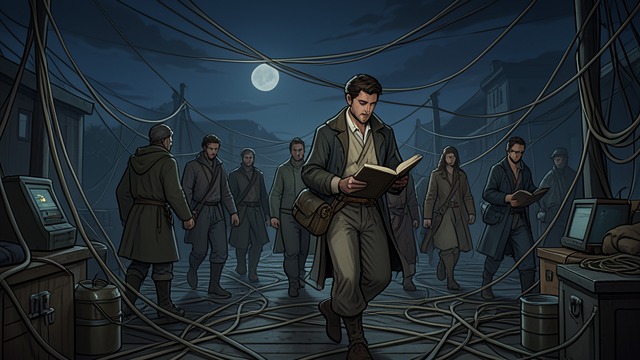
The Silk Road Chapter
Shannon Moore reads Goblin Princess and reaches the chapter in which Censede leads companions across a dangerous web.
Literary Trial
The Silk Road becomes a test of balance, courage, and willingness to continue without certainty.
Personal Echo
Shannon recognizes that the manuscript is also a coded record of Tabitha’s struggle to cross trauma without surrendering to it.
Early summer 1998
Summer 1998
September 1998
Late October 1998
November 1998
