
The Body and the Brain
REThis flow traces the book’s treatment of trauma as both physical injury and a crisis of identity.
increasing Bearing strength in each event
 decreasing
Bearing strength in each eventdecreasingConcussion Memory
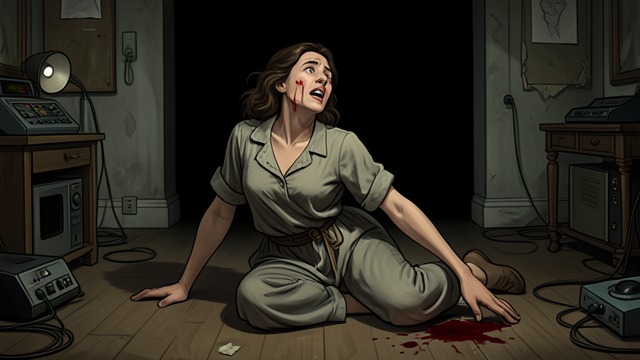
Concussion Memory
The first head injury leaves Tabitha Moore with a body that remembers danger even when her conscious memory suppresses it.
Repression
The Taylor Sisters’ Trampoline Assault disappears into a blank space.
Return of the Past
The later bus assault and Halloween attack reopen the buried event.
The Casted Hand
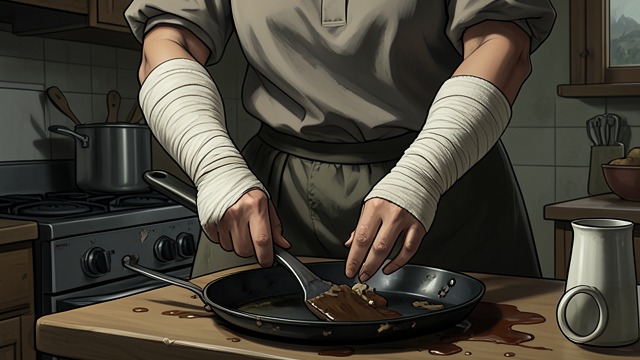
The Casted Hand
Tabitha Moore’s orthopedic cast changes her daily life and exposes her dependence on others.
Physical Limitation
Cooking, writing, exercise, and dressing become difficult.
Psychological Pressure
The cast also represents the loss of control that makes her fear returning to the powerless child she once was.
The Hemorrhage
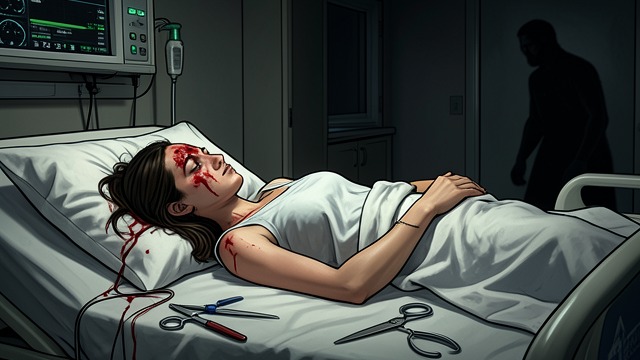
The Hemorrhage
The baseball-bat assault produces intracranial hemorrhage and overwhelms Tabitha Moore’s body.
Medical Reality
Her survival depends on surgery, observation, and chance rather than determination.
Narrative Break
The brain injury fractures the apparent continuity of the timeline and opens the nightmare passage.
The Brain Death Error

The Brain Death Error
Doctors classify Tabitha Moore as brain dead or permanently comatose before Hannah MacIntire notices her movement.
Institutional Limits
Available instruments and assumptions fail to detect the depth of her awareness.
Existential Uncertainty
The episode makes consciousness itself feel like an unstable boundary.
Convalescent Mind
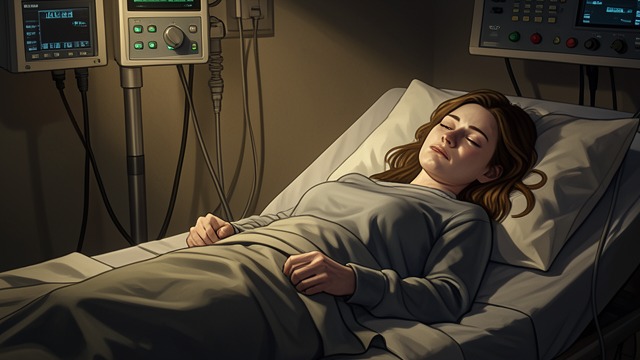
Convalescent Mind
After awakening, Tabitha Moore experiences exhaustion, memory uncertainty, emotional volatility, and restricted activity.
Recovery
She must accept gradual healing instead of compulsive progress.
Integration
The body’s limitations force her to acknowledge feelings that her detached adult persona once avoided.
1998, May 7
Late October 1998
1998, Halloween night
Early November 1998
November 1998
