
Fate and Human Agency
RamayanaThis thread contrasts characters who invoke destiny with those who insist that choice and effort still matter.
increasing Bearing strength in each event
 decreasing
Bearing strength in each eventdecreasingRama Accepts the Decree
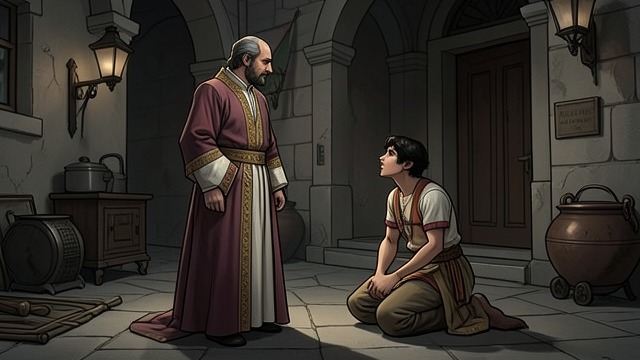
Ráma Accepts the Decree
Destiny and duty
Ráma calls the exile a consequence of forces larger than himself and urges Lakshmaṇ to accept it. This language helps him restrain anger and preserve the family’s vows.
Choice remains visible
Though he invokes fate, Ráma repeatedly chooses obedience. The tension leaves open whether destiny controls events or whether duty gives human action its meaning.
Lakshmana Rejects Passivity

Lakshmana Rejects Passivity
An argument for action
Lakshmaṇ argues that a strong person should not surrender to fate when injustice can be resisted. He offers to use force to secure Ráma’s rightful rule.
A limit on intervention
Ráma rejects violence between brothers and insists that obedience has priority. The disagreement shows two moral responses to powerlessness: action against injustice and restraint for the sake of truth.
Consequences Beyond Intention
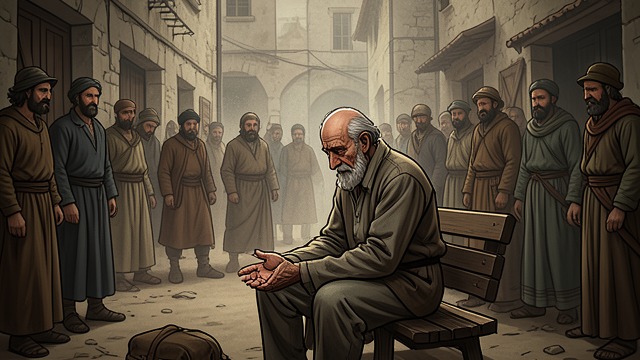
Consequences Beyond Intention
A mistake remembered
Daśaratha recalls killing the hermit’s son without intending to. The father’s curse links the error to the future loss of Daśaratha’s own son.
Action and consequence
The episode connects fate to the consequences of human acts, even when an act begins in ignorance. Daśaratha recognizes the pattern only when his grief has already become unavoidable.
During the first hours after the exile is announced
During the dispute at Kauśalyá’s palace
When Daśaratha recalls the hermit’s curse
