
A Kingdom in Mourning
RamayanaThis thread follows Ayodhyá’s transformation from a festive capital into a city whose public life collapses under grief.
increasing Bearing strength in each event
 decreasing
Bearing strength in each eventdecreasingA City Prepared to Celebrate
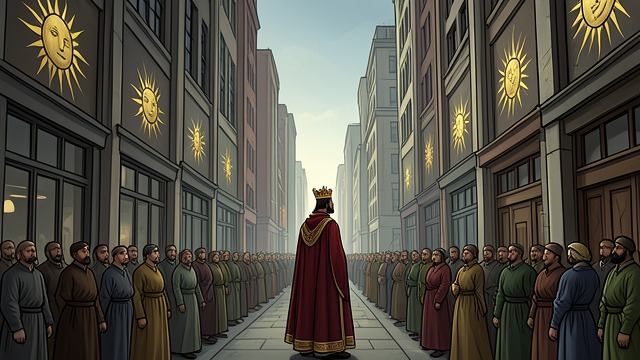
A City Prepared to Celebrate
A shared expectation
The streets are decorated and citizens gather in anticipation of Ráma’s coronation. Their hopes show how closely the city has tied its future to the prince.
Joy reversed
Kaikeyí’s demand cancels the ritual and changes a public festival into collective distress. The sudden reversal makes royal decisions visible in the lives of ordinary people.
The Empty Streets
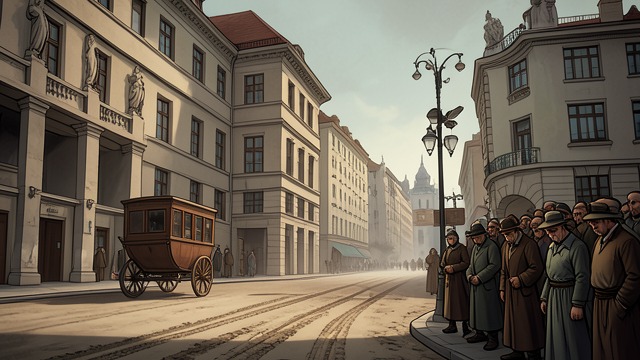
The Empty Streets
Public grief
Citizens follow Ráma’s chariot, plead for it to stop, and later find that he has slipped away. Their grief spreads from the palace into homes, markets, and places of worship.
A city without its center
Music, trade, meals, and ritual activity diminish as the people mourn. The city’s condition mirrors the absence of the ruler they expected to protect them.
The Kingless Realm

The Kingless Realm
A threatened order
The ministers describe a kingdom without a king as vulnerable to injustice, disorder, and fear. Their argument reflects the political importance they assign to a ruler’s protective role.
Authority restored provisionally
Bharat rejects an immediate coronation and later governs through Ráma’s sandals. His regency addresses the practical need for order without erasing the city’s claim to its absent king.
The day before Ráma’s planned consecration
Immediately after Ráma’s departure
After Daśaratha’s death and before Bharat’s return
