
The Story’s Two Endings
RamayanaThis thread contrasts the triumphant close of the principal tale with the later appendix’s more painful account of Sítá’s fate.
increasing Bearing strength in each event
 decreasing
Bearing strength in each eventdecreasingThe Victory Ending

The Victory Ending
The homecoming promise
Ráma defeats Rávaṇ, reunites with Sítá, and returns to Ayodhyá. The coronation closes the central arc of exile, rescue, and restoration.
A promised golden age
The poem describes a prosperous reign without famine, disease, or grief. The ending presents political justice as a source of collective well-being.
The Queen Sent Away
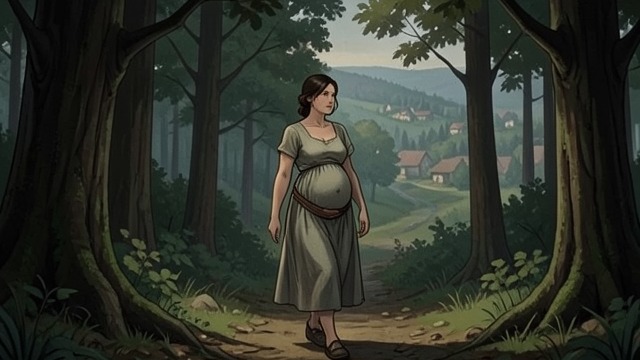
The Queen Sent Away
Public suspicion returns
Despite the fire ordeal, rumor about Sítá’s captivity reaches Ráma after he becomes king. He chooses the appearance of public confidence in his rule over private trust in his wife.
A second separation
Ráma sends the pregnant Sítá away to the hermitage. The decision overturns the emotional closure of the main ending and makes the cost of kingship newly visible.
The Sons Sing Their Father’s Story

The Sons Sing Their Father’s Story
The poem returns to court
Kuśa and Lava sing Válmíki’s composition before Ráma, who hears his own life performed by two unknown boys. Their song reconnects the royal household to the events that exile had separated.
Recognition and loss
Ráma recognizes the boys as his sons and seeks Sítá’s return. She appeals to the earth and disappears from human sight, leaving recognition without reconciliation.
At the close of the sixth book
In the Uttarakāṇḍa, after Ráma’s return
At Ráma’s later horse sacrifice
