
Disguise and Deception
RamayanaThis thread traces the uses of disguise and illusion that create danger, hide identity, and alter the course of the war.
increasing Bearing strength in each event
 decreasing
Bearing strength in each eventdecreasingThe Golden Deer

The Golden Deer
An attractive falsehood
Márícha’s transformed appearance fascinates Sítá and draws Ráma away from the hermitage. His dying cry, delivered in Ráma’s voice, then draws Lakshmaṇ away as well.
A trap succeeds
The false appearance creates the solitude Rávaṇ needs to abduct Sítá. Deception changes the course of the story without defeating Ráma in direct combat.
A Disguised Guest
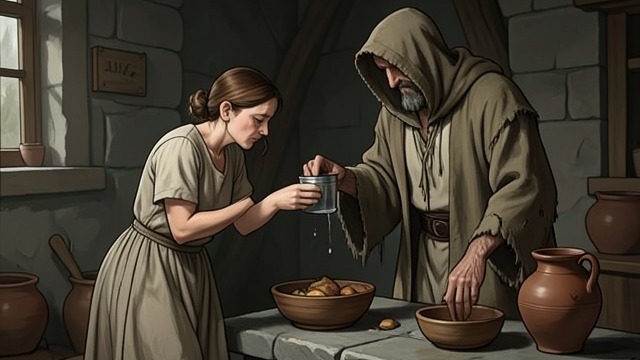
A Disguised Guest
Hospitality exploited
Rávaṇ appears in the guise of an ascetic and approaches Sítá as a guest. She follows the expected duties of hospitality and offers him food and water.
Trust turned against her
When the disguise is discarded, Rávaṇ uses force to carry her away. The episode makes a social virtue vulnerable to a guest who falsely claims to share it.
The False Head
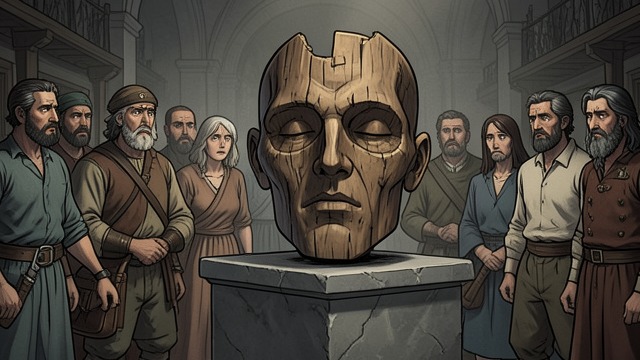
The False Head
A weapon of despair
Rávaṇ uses magic to create the appearance that Ráma has been killed. Sítá sees the illusion and believes the war has ended in her worst loss.
Deception exposed
Saramá later tells her that the head is false. The episode shows how illusion can wound morale even when it cannot settle the underlying conflict.
At Panchavaṭí shortly before Sítá’s abduction
Immediately before Rávaṇ takes Sítá
During the siege, after Ráma is bound by Indrajit’s weapon
