2020 Claremont Presidential Victory
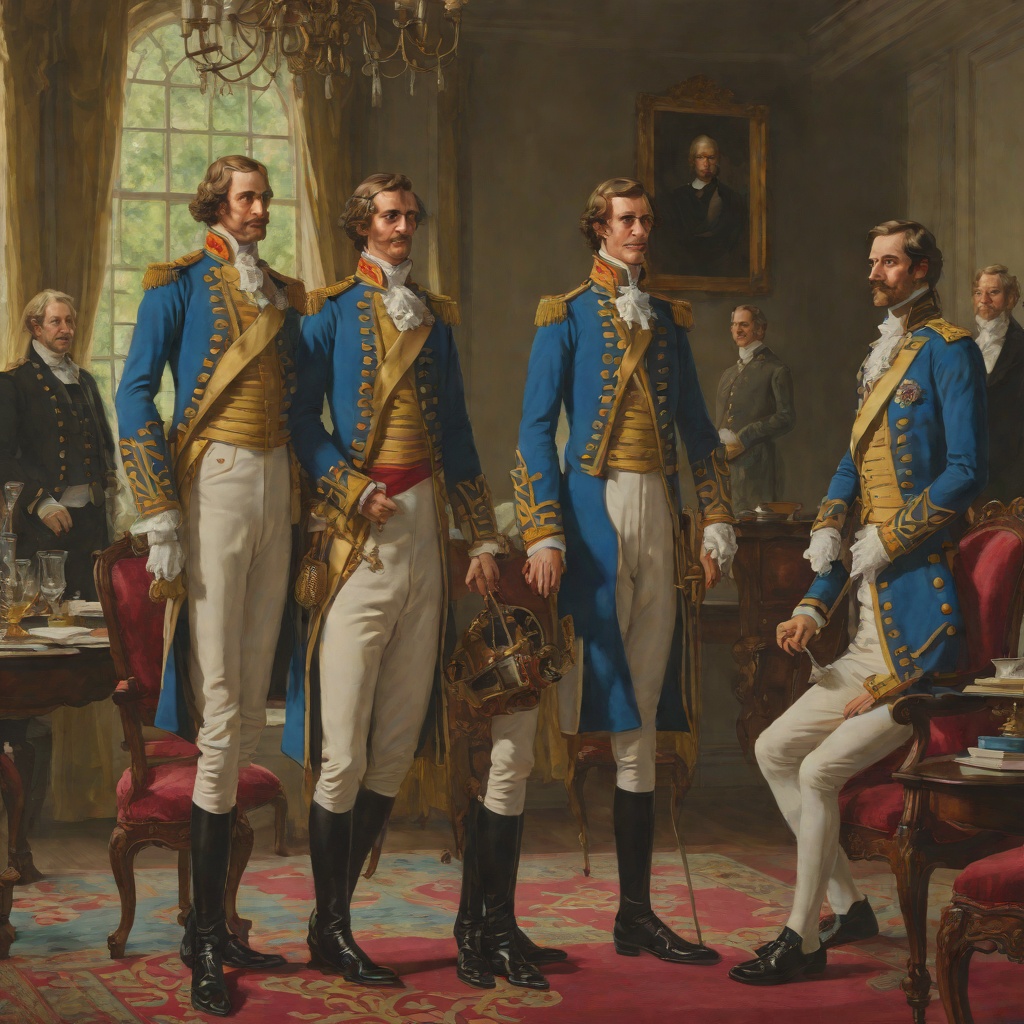
Red, White & Royal BlueThe 2020 Claremont Presidential Victory is the novel's decisive electoral climax, the moment when President Ellen Claremont secures a second term by winning Texas, the state that had become the battleground upon which the entire presidential race turned. The victory is not merely a political triumph but the narrative resolution of a year defined by scandal, surveillance, and a public coming-out, transforming the secret romance of First Son Alex Claremont-Diaz and Prince Henry into a publicly celebrated union. It is the moment the novel's central promise—that love and history could be made together—is fulfilled on the largest possible stage.
The Path to the Decisive State
The road to the victory is paved with the fallout of the Waterloo Letters scandal, which had threatened to destroy the Claremont campaign. The leak of private emails and photographs revealing Alex's affair with Prince Henry, published by the Daily Mail in late September 2020, had sent the White House into a defensive crouch, with Press Secretary Davis Sutherland issuing a brief statement asking for patience and understanding. Republican candidate Senator Jeffrey Richards had seized on the scandal, questioning the president's impartiality and raising alarm about a private email server, framing the affair as a matter of national security rather than personal privacy. The political calculus shifted dramatically when Nora Holleran uncovered the truth: Richards had orchestrated the entire operation, hiring a firm that hired hackers to obtain surveillance tapes from the Beekman and photographers to follow Alex, then buying the material and reselling it to the Daily Mail. This revelation, broken by the Washington Post and confirmed by an anonymous source on the Richards campaign, reframed the scandal as a hostile act of conspiracy against a sitting president, and Senator Rafael Luna's public departure from the Richards campaign, announced just forty minutes before a podcast recording, marked the beginning of the end for Richards's strategy.
The Night of the Election
As the returns come in on election night, the race narrows to a single state. Nora Holleran, the campaign's data strategist, lays out the arithmetic: the Claremont campaign can exceed 270 electoral votes with Texas alone, or with Nevada and Alaska combined, while Richards must win all three to stay alive. The tension escalates as the night wears on, with the campaign team gathered around a projection screen, waiting for the call. When Nevada does not come through early, the weight of the entire election settles on Texas, and Alex states the obvious: "Whoever wins Texas, wins the presidency." The moment of decision arrives when the projection screen shows Texas gray for five agonizing seconds before flooding with blue, the color of Lake LBJ, delivering thirty-eight electoral votes to Claremont for a grand total of 301 and the presidency. Ellen Claremont's scream of "Four more years!" is the emotional release of a campaign that had survived scandal, conspiracy, and the most personal of betrayals.
The Celebration and Its Meaning
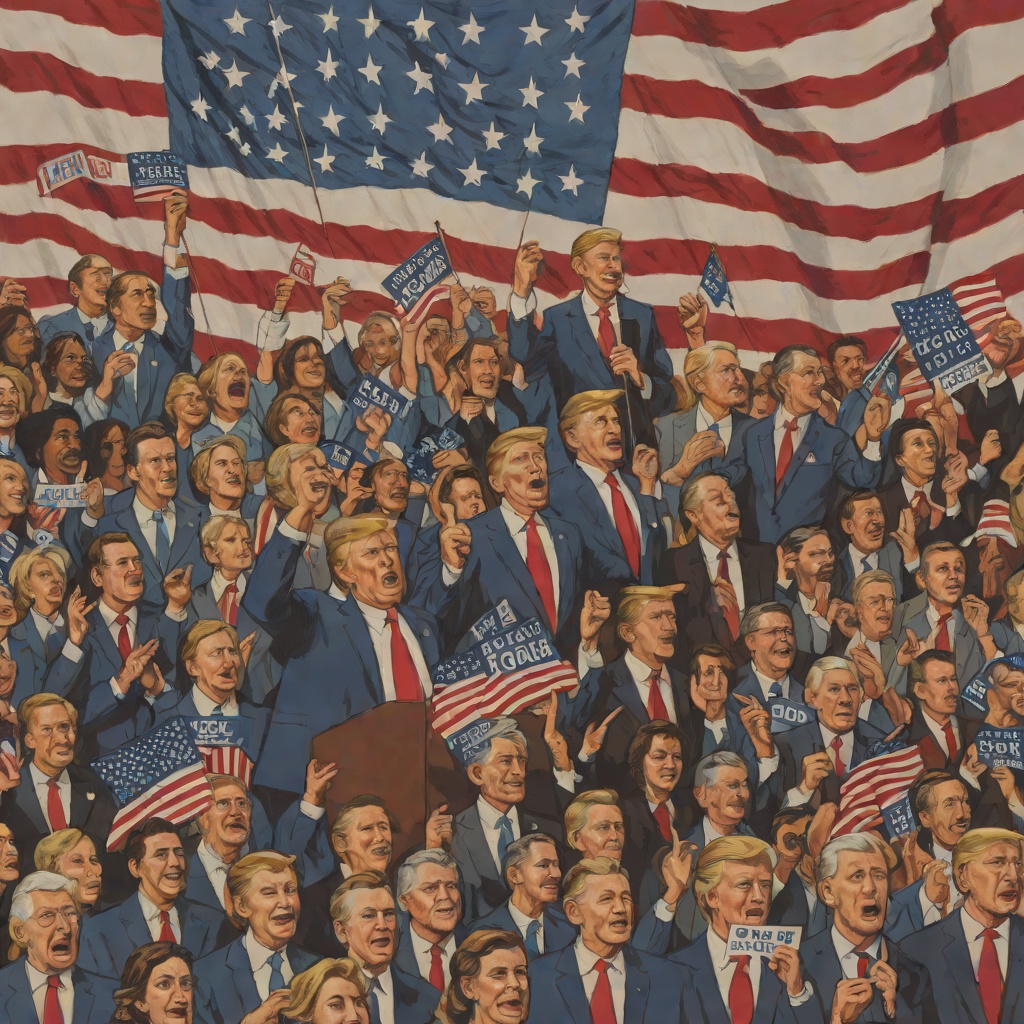
The victory celebration is a tableau of the coalition that carried the campaign to victory. Alex staggers into a press of bodies, into his father's chest, into June, who is a crying disaster, and Leo, who is somehow crying more. Nora is sandwiched between both beaming, proud parents, screaming at the top of her lungs, while Luna throws Claremont campaign pamphlets in the air like a mafioso with hundred dollar bills. The scene is a catalog of the campaign's inner circle: Cash dancing on a chair, Amy waving her phone so her wife can see it over FaceTime, Zahra and Shaan aggressively making out against a stack of CLAREMONT/HOLLERAN 2020 yard signs, and a hundred staffers and volunteers crying and shouting in disbelief and joy. The moment is framed as the fulfillment of a promise, the "Lometa Longshot" and a long-awaited blue Texas, the culmination of all the emails, texts, months on the road, secret rendezvous, and nights of wanting that had defined Alex and Henry's relationship. Henry, his eyes wet, seizes Alex's face and kisses him like the end of the movie, and the crowd pushes Alex back into Henry's chest, the completeness of the moment swelling with a thousand years of history.
The Victory Address and the New First Family
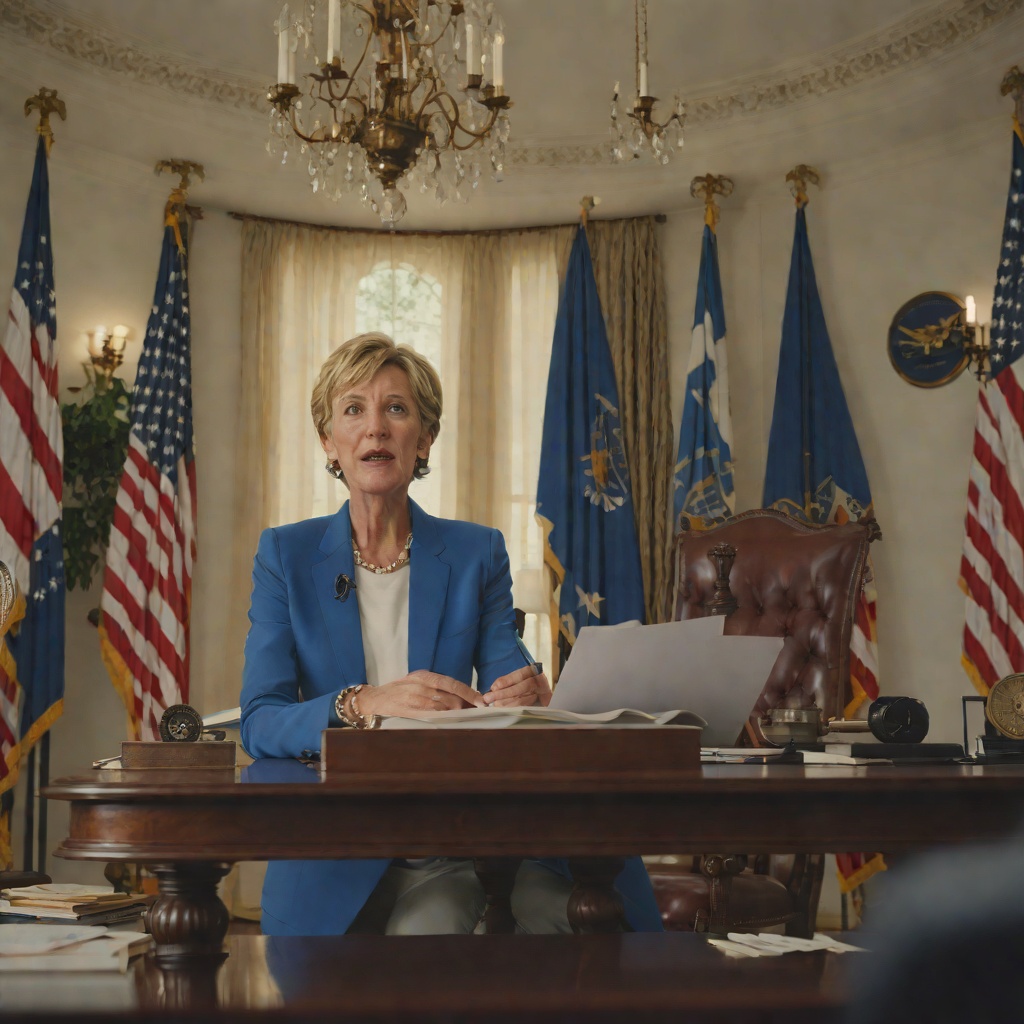
President Ellen Claremont's victory address, delivered from Austin, Texas, on November 3, 2020, frames the win as a continuation of the nation's progress. She recalls the 2016 election, when the nation stood at a precipice and chose a woman and a family "with Texas dirt under their shoes," and she thanks the voters for choosing her again. Her speech explicitly embraces the expanded definition of the First Family, describing it as "made up of the children of immigrants, of people who love in defiance of expectations or condemnation, of women determined never to back down from what's right, a braid of histories that stands for the future of America." This is a direct repudiation of the Richards campaign's attempt to use Alex's sexuality as a weapon, transforming what was meant to be a scandal into a point of pride. The address marks the moment the private romance becomes a public identity, with Henry stepping onto the stage to join Alex, June, and Nora at the president's side, no longer a secret but a member of the family, etched into the headlines and the pages of the Library of Congress.
The Aftermath and a New Beginning
In the immediate aftermath of the victory, the personal and the political converge in a final, intimate gesture. As the second round of confetti falls, Alex grabs Henry's hand and says, "Follow me," slipping out the back door while everyone else is celebrating or doing interviews. He trades Liam and Spencer the promise of a six-pack for their bikes, and Henry, without asking questions, kicks the stand out and disappears into the night behind him. It is in this moment of escape that Henry reveals he has bought a brownstone in Brooklyn, a concrete commitment to a shared future that transcends the campaign and the election. The victory, then, is not just a political outcome but the foundation for a personal one, the moment when the accidental falling in love with a sworn enemy at the absolute worst possible time becomes a permanent, public, and celebrated reality.