Oscar Diaz
Red, White & Royal BlueOscar Diaz is the father of Alexander Gabriel Claremont-Diaz and June Catalina June Claremont-Diaz, and the former husband of President Ellen Claremont. A former United States Senator from California, he is a figure of warmth, political idealism, and paternal affection whose presence shapes Alex's ambitions and emotional life throughout the novel. His role is defined by a deep, tactile love for his children, a complicated legacy as a political role model, and a quiet but significant place in the story's climactic moments of family and public triumph.
Identity and Background
Oscar Diaz is introduced as a senator from California, a man whose political career and personal style are marked by a distinctive, earthy charisma. He is described as having an impeccably groomed beard and impeccably tailored suits, yet his demeanor is far from stiff. His love of a good view is noted when he drags a chair close to the railing of the Truman Balcony, putting his shiny boots up, a gesture that captures his comfort with both power and leisure. His physical presence is associated with specific, sensory memories for Alex: he smells "salty and smoky and like well-treated leather," a scent his ex-wife used to complain made her feel like she lived in a cigar bar. This combination of polish and ruggedness, of political insider and relaxed family man, defines his character. He is also a man of deep paternal affection, greeting his son with a one-armed hug and the exclamation, "Merry fuckin' Christmas, mijo," a moment that blends profanity with profound tenderness.
Political Legacy and Influence on Alex
Oscar's political career is a central, complex inheritance for Alex. Alex's earliest political memories are tied to his father's career; he has had the layout of the Senate building memorized since his dad first got elected, and it is there that he picked up his encyclopedic knowledge of policy and procedure. Oscar's influence extends to his mentorship of Rafael Luna, an Independent from Colorado, whom he took under his wing when Luna was merely a promising attorney. This mentorship is a direct model for Alex's own aspirations. Alex's recollection of first meeting Luna at fifteen is framed by his awe, and he explicitly connects that feeling to his father's example: "He was everything I wanted to be. And he cared about people, and about doing the work because it was the right thing to do, because we were making people's lives better." This ideal, embodied by both Oscar and Luna, is what drew Alex to politics. However, this legacy is also a source of disillusionment. When Luna appears to sell out, Alex's crisis is deeply personal, leading him to question whether his father's world is built on the same "magical shit" he once believed in. Oscar's career thus represents both the promise of principled public service and the potential for its betrayal, a tension Alex must navigate.
Family Life and Relationships
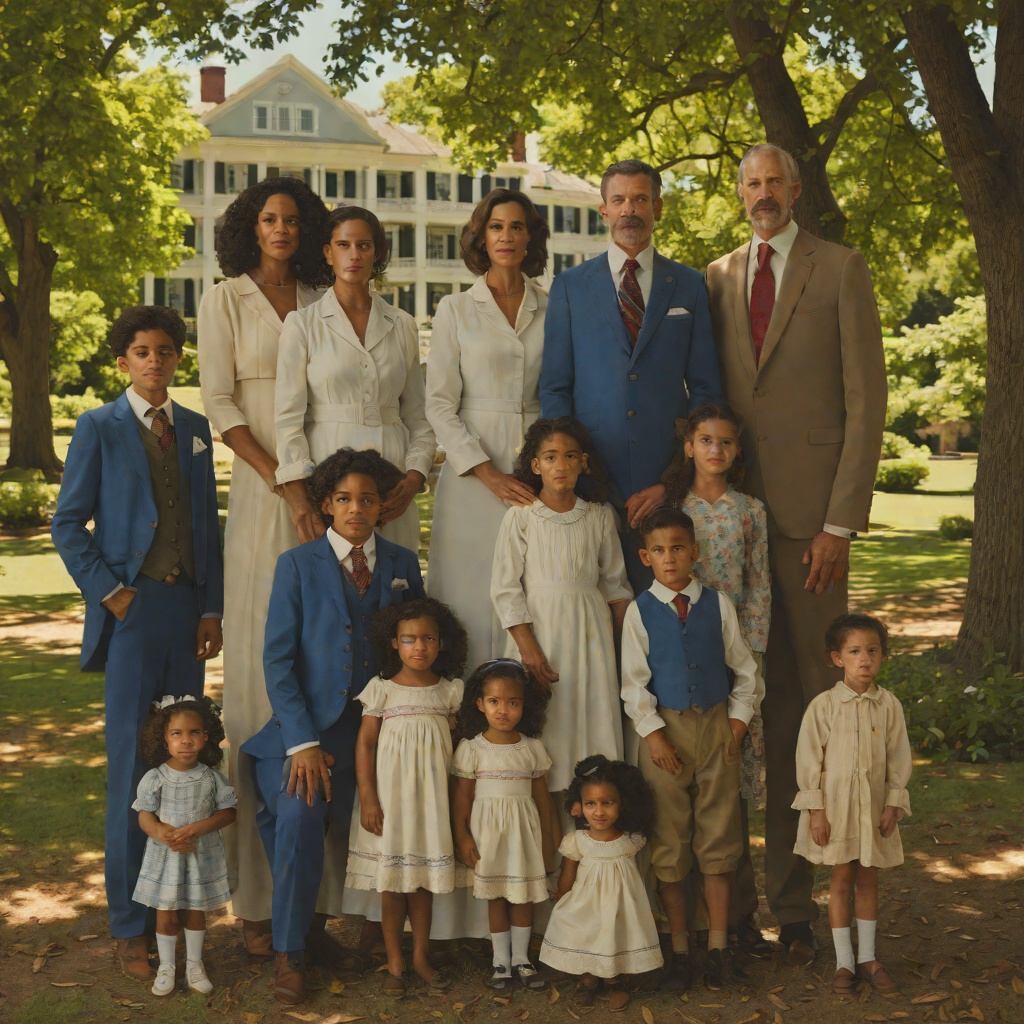
Oscar's relationship with his children is marked by demonstrative affection and a shared, unspoken understanding. At a family gathering, he arrives in a flurry of Secret Service agents, and June almost breaks an antique vase catapulting into his arms. He then disappears with her to a chocolate shop, raving about her latest blog post for The Atlantic. This scene highlights his pride in his children's accomplishments. His bond with Alex is equally strong, shown through the Christmas greeting on the Truman Balcony and the bone-crushing hugs he gives. He is also a figure of playful domesticity, as seen when he comes around a corner at the lake house, dripping from a swim, wearing old brown huaraches and swim trunks with parrots on them, with both arms extended to the sun. He scoops June up, spins her around, and deposits her on the stucco railing before giving Nora and then Alex a hug. His reaction to meeting Henry is one of cautious, ultimately willing acceptance. When Alex asks if he can bring a friend and casually mentions the friend would be the Prince of Wales, Oscar is confused but ultimately willing to roll with it. He looks Henry up and down—the Burberry bag, the cooler on his shoulder, the elegant smile, the extended hand—in a moment of assessment that suggests a protective father sizing up a new presence in his son's life.
Change and the 2020 Election
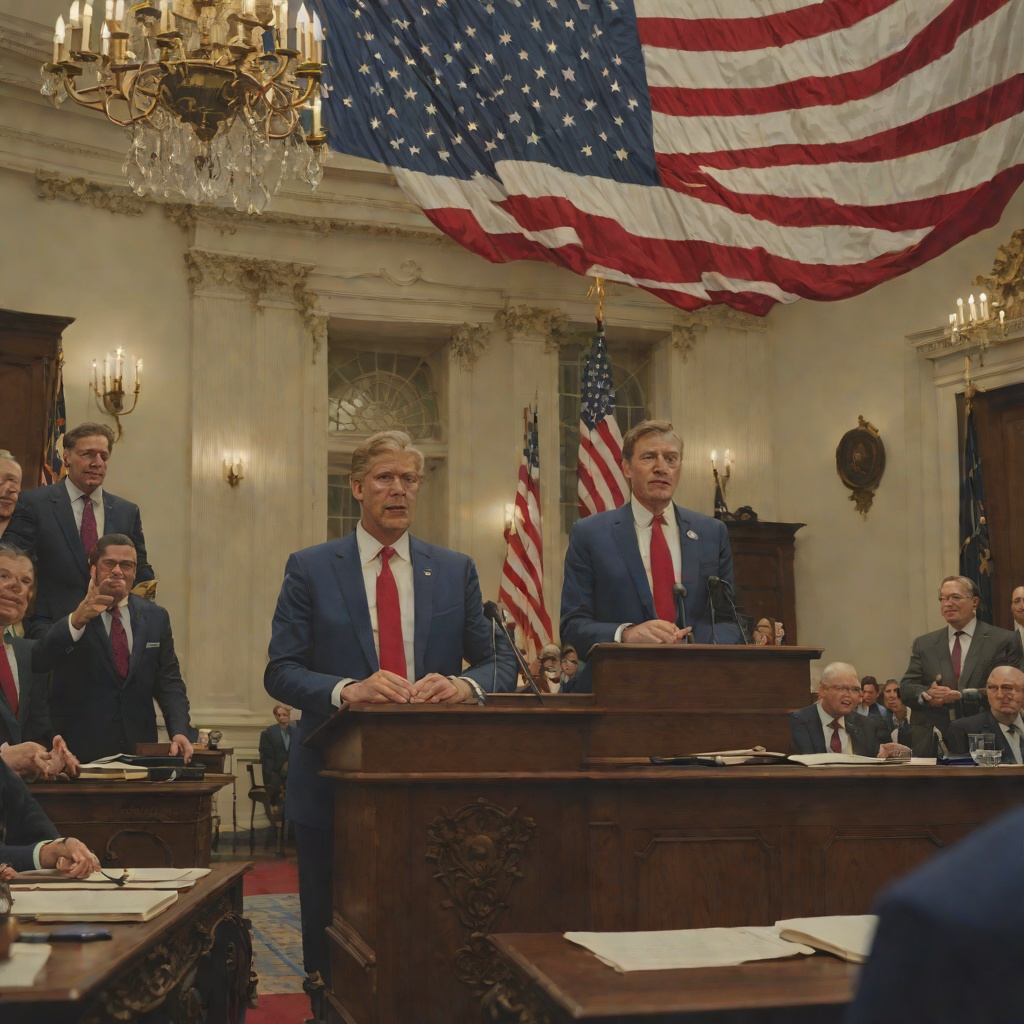
Oscar's role culminates in the novel's final act, the 2020 presidential election victory of his ex-wife, Ellen Claremont. He is present on stage with the family, standing alongside Leo, Mike and his wife, Nora and her parents, June, and Alex. His presence at this moment signifies the enduring, if transformed, bonds of his family. The victory speech, delivered by Ellen, explicitly acknowledges this expanded family, describing it as "made up of the children of immigrants, of people who love in defiance of expectations or condemnation, of women determined never to back down from what's right." Oscar's place in this tableau, as the father of the First Son and a former senator, underscores the narrative's theme of a chosen and blended family that transcends traditional political and personal divisions. His journey from a divorced father to a supportive presence at his ex-wife's victory celebration reflects the novel's broader movement toward reconciliation and the redefinition of family on one's own terms.