
Knowledge Against Assumption
Remarkably Bright CreaturesThe story contrasts what people believe with what they can know, showing how observation, memory, and honest conversation can correct confident but incomplete narratives.
increasing Bearing strength in each event
 decreasing
Bearing strength in each eventdecreasingMarcellus Reads His World
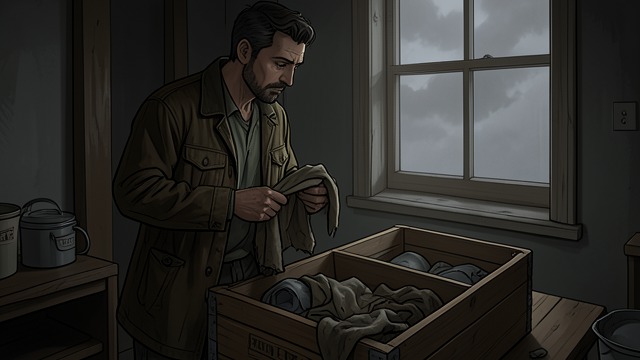
Learning as Survival
Patterns Noticed
Marcellus studies fingerprints, routines, the aquarium’s sounds, and the behaviors of humans and other animals.
Knowledge Has Limits
His intelligence helps him navigate captivity but cannot by itself change the fact that he is confined.
Cameron’s Assumed Father
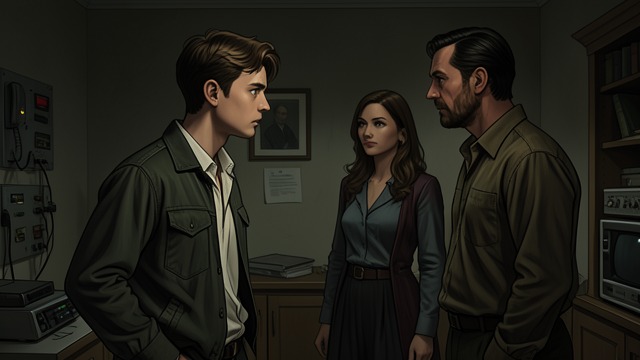
A Theory Treated as Fact
Familiar Evidence
Cameron sees Daphne beside Simon and assumes that the image and ring prove Simon is his father.
Desire Shapes Interpretation
The certainty is fueled by his hope for money and a father, not by reliable evidence about the relationship.
The Ring’s Initials Misread

One Engraving, Two Readings
A False Identification
Cameron interprets EELS as an odd reference to marine life, while Simon recognizes his own initials on a different ring.
Assumptions Collapse
The class ring cannot identify Cameron’s father until Tova connects the initials to Erik’s full name.
The Octopus’s Evidence

Clues Arranged With Purpose
License Under the Statue
Marcellus moves Cameron’s driver’s license beneath a place Tova habitually cleans.
Observation Becomes Interpretation
His action gives Tova the name and birth date she needs to connect Cameron to Daphne and Erik.
A Theory, Not a Verdict
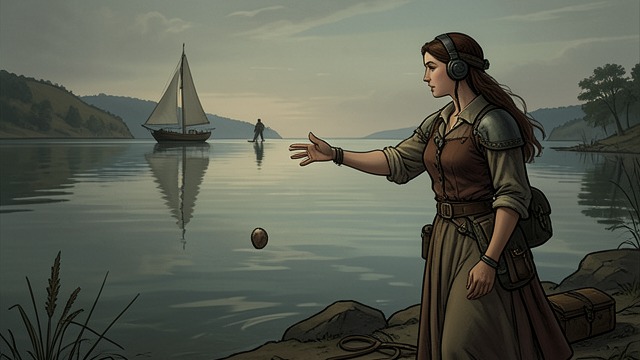
Knowledge Remains Partial
The Accident Imagined
Tova considers whether an accidental blow from a sailboat’s boom could explain Erik’s fall into the water.
Honest Uncertainty
The theory replaces neither the missing evidence nor the pain of not knowing, but it allows Tova to question the certainty of suicide.
Early in his captivity-day narration
After Cameron finds the class ring and photograph
During Cameron’s meeting with Simon
After Cameron leaves the aquarium
Near the end, after Avery recounts the boom
