Jeanne
Remarkably Bright CreaturesJeanne is Cameron Cassmore’s aunt, former caregiver, and most reliable source of practical help. She appears in a dispute over a threatened clematis, offers Cameron a place to stay after his breakup, and helps finance his camper. Her care is concrete rather than ceremonial: she intervenes when he is in trouble and makes room for him, while Cameron’s refusal of his mother’s belongings and his pursuit of money from his possible father reveal how little any one act of care can undo.
The Aunt Who Takes His Side
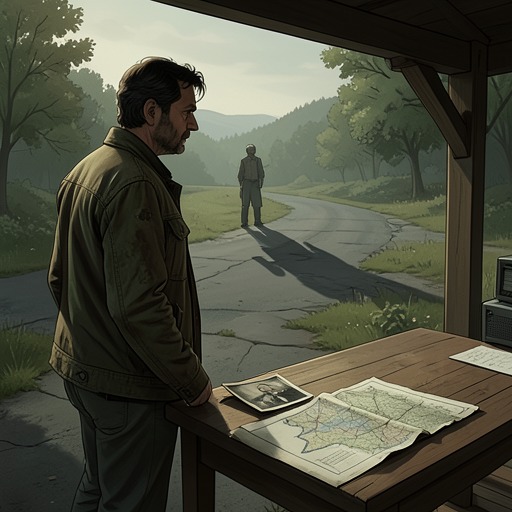
When Jeanne calls in a panic, Cameron borrows Brad’s truck and drives to Welina Mobile Park to help with a problem involving her vines. The visit comes after a late night playing with Moth Sausage at Dell’s Saloon; he is hungover and reluctant about the early Saturday start, but he goes. Jeanne’s landlord has again threatened eviction over the clematis, this time because someone claims there may be snakes in it.
Jeanne greets Cameron with a quick hug and calls him Cammy, a name the narration marks as hers alone to use. Then she points her cane at the landlord, Delmonico, and asks Cameron to back her up. She dismisses the snake report as unreliable, blaming Sissy Baker’s poor eyesight. Cameron firmly supports her version and looks over the thick, lush vines. The small confrontation establishes a familiar pattern: Jeanne calls on him when her home is under pressure, and he answers by standing beside her.
The plant dispute is more than a household nuisance in their exchange. Jeanne is facing the possibility of losing something she has grown, while Cameron treats her account as worth defending rather than brushing aside. His visit also registers their imperfect rhythm: he wonders how long it has been since he last came by, estimating a month. The affection is immediate, but the question hints at a relationship maintained through intermittent visits and moments of need.
Care, and What Cameron Cannot Accept
At another visit, Jeanne nudges a box toward Cameron with her slipper. It contains some of his mother’s things, which she thinks he might want. Cameron stands and declines without taking a second look. Jeanne has brought the belongings within reach, but he will not take them; the brief refusal gives their family history a physical object and a clear boundary.
That history is stark. Cameron tells Avery that his mother left him at Jeanne’s house and never came back. The account identifies Jeanne as the person left to receive him, though it does not detail the arrangements or duration of his childhood care. Cameron’s later sense of obligation suggests that his dependence on Jeanne did not end with that early abandonment: he says he owes her for what he put her through over the years as well as for the money she advanced him.
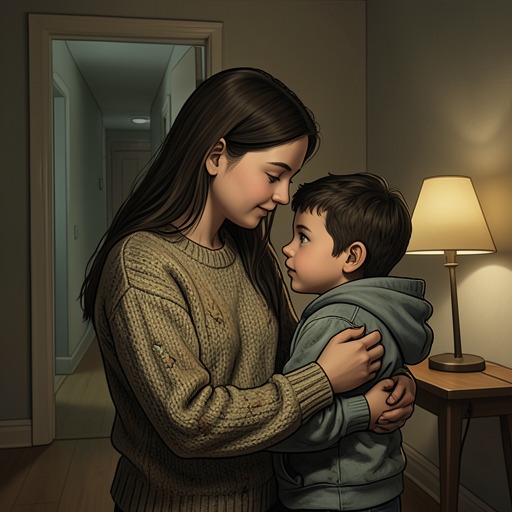
Jeanne’s offer of a place to stay makes that ongoing care visible again. After hearing that Cameron and Katie have broken up, she tells him she is clearing out the second bedroom because he might need somewhere to live. Cameron’s housing insecurity prompts a practical response before the conversation supplies any broader solution. The spare room is an offer, not proof that he accepts it, but it shows Jeanne preparing space for him at a moment when his relationship has ended.
A Camper, a Debt, and Different Hopes
Jeanne also helps Cameron acquire his camper, lending him the money in a way he describes as not quite a loan. The vehicle is rough, but owning it outright gives him a sense of independence. That independence is therefore tied to Jeanne’s support rather than separated from it: he has a vehicle of his own, yet still owes her money for the purchase. Later, he says he has paid back almost half and remains indebted to her for a substantial amount.
Their views of Cameron’s search for Simon Brinks do not entirely align. Jeanne keeps urging him to consider the possibility of a relationship with a father he has never known. Cameron suspects she doubts that Simon would have dated her sister, but her advice is not simply to abandon the search: when Cameron says he would return home if Simon gave him money, Jeanne disapproves and tells him to stay in Washington for a while. Since he has bought the camper, she reasons, he may as well use it; she also thinks life there seems to suit him.
Cameron partly agrees that Washington suits him, but his stated objective remains financial. He wants the child support Simon never paid and would accept a one-time payment, sending it directly to Jeanne to reduce his debt. The contrast is pointed: Jeanne encourages the prospect of a relationship, while Cameron calculates what an absent father owes and how the money could repay the aunt who has helped him. Her hope and his grievance coexist without being resolved in their conversations.
A Practical Form of Kinship
Jeanne’s role emerges through repeated acts of shelter, advocacy, and material assistance: she calls Cameron to defend her home, offers him a bedroom after his breakup, and helps fund transportation when he is trying to establish himself. Cameron’s account of being left at her house gives those gestures particular weight, but the narrative does not make them a complete answer to his history. He rejects the box of his mother’s belongings, remains preoccupied with the support Simon did not provide, and continues to owe Jeanne money.
Their bond is therefore neither an abstract assurance of family nor a simple rescue. Jeanne can give Cameron a place to land and encourage him to imagine a relationship beyond a financial claim; she cannot make him want the belongings she offers or erase the years of absence behind his search. Cameron, for his part, responds to her needs and recognizes his debt to her even as he resists the kind of reconciliation she hopes might be possible. Jeanne’s importance lies in that continuing, practical presence: she does not settle his past, but she keeps offering him room in the present.