Lars Lindgren
Remarkably Bright CreaturesLars Lindgren is Tova Sullivan’s brother, whose life in the novel is pieced together through family memories and the aftermath of his death. Once a central presence in Tova’s family life, he became estranged from her over years of missed gatherings rather than a single rupture; after his death, his estate and a worn flannel robe make that gradual loss newly concrete.
Family Life and Early Closeness
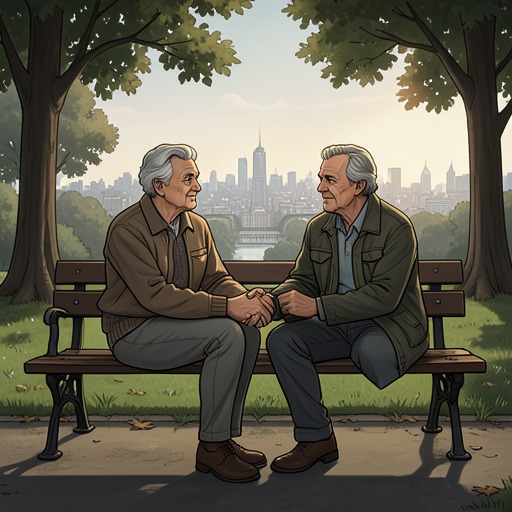
Tova remembers Lars as someone she had once been close to, first as a child and then, though less completely, as a young adult. He stood beside Will Sullivan in a gray suit at Tova and Will’s wedding. At the reception, Lars gave a speech so moving that even their usually stoic father was brought to tears.
For years afterward, Lars and Tova maintained a family ritual. Tova and Will spent New Year’s Eve at his house in Ballard, sharing rice pudding and raising their glasses at midnight. Their young son, Erik Sullivan, slept nearby beneath a crocheted blanket on the davenport. The recollection places Lars within a family circle that once included ordinary, repeated intimacies as well as landmark occasions.
Estrangement Over Time
The relationship changed after Erik died, but Tova recalls no decisive confrontation between the siblings. There was no blowout argument, shouting match, or single moment that explains the distance. Instead, the separation accumulated through cancelled plans and absences, leaving the cause difficult to isolate even for Tova herself.
One New Year’s Eve, Lars called to say that he and his wife, Denise, had other plans. Denise had sometimes lingered by the kitchen sink while Tova washed dishes, offering to listen if Tova needed to talk. Tova was irritated by this attention, and Lars defended his wife’s right to care about her. The exchange shows both a point of friction and Lars’s effort to stand by Denise; it does not turn their growing distance into a simple story of blame.
After that holiday, other occasions fell away: an Easter lunch was skipped, a birthday party was cancelled, and a Christmas gathering never advanced beyond tentative plans. Years stretched into decades until the siblings had become strangers. The novel presents estrangement not as one dramatic break but as the cumulative result of connection repeatedly deferred.
Death and the Objects Left Behind
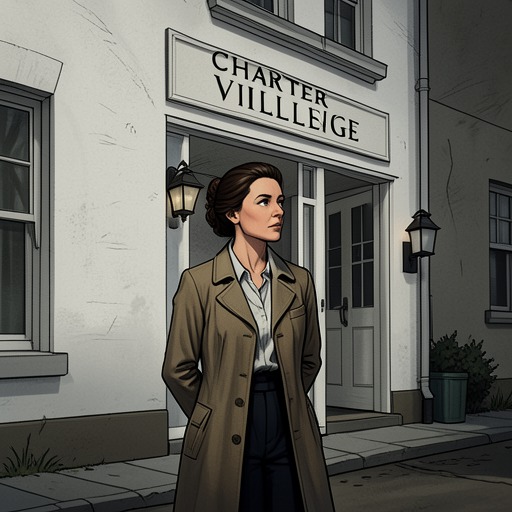
Lars’s death enters Tova’s present through a message from a woman at Charter Village Long-Term Care Center that begins with a request to speak with Tova and the warning that there is bad news. The later business of his estate confirms the loss in practical terms: an attorney introduces himself as representing Lars’s estate and offers condolences.
Among the belongings Tova retrieves from Charter Village is Lars’s flannel bathrobe, which a nurse explains he wore constantly for years. At home, Tova finds it folded on top of her washing machine. She wonders why she should keep her dead brother’s old housecoat instead of leaving it to be washed, donated, or cut into cleaning rags. Yet she has brought it back, and it remains in her house as a reminder of her discomfort with cherishing such objects as well as of Lars himself.
Narrative Significance
Lars is characterized chiefly through the contrast between remembered closeness and present distance. The wedding speech, annual New Year’s visits, and Erik asleep under a crocheted blanket establish the warmth of the family life that once linked the siblings. The later cancellations show how much can change without a final quarrel to mark the turning point.
His death does not resolve the estrangement. Instead, the estate and the robe bring its history into Tova’s daily surroundings, where grief is entangled with uncertainty about what to keep and what to let go. Lars’s place in the story is therefore both personal and material: he is the brother Tova remembers, the relationship that gradually slipped away, and the absent family member whose belongings remain after the rituals that once joined them have ended.