Tova’s widowhood
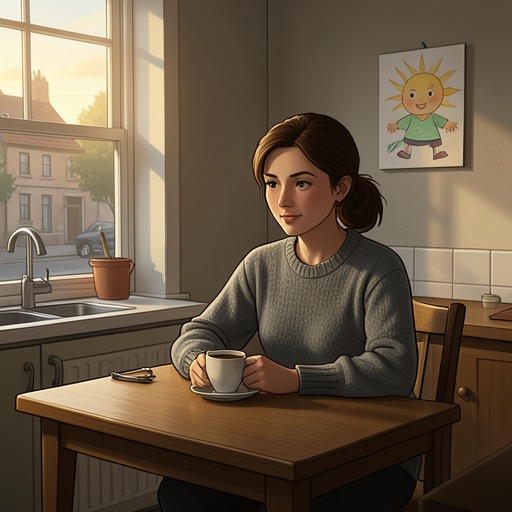
Remarkably Bright CreaturesTova Sullivan’s widowhood is not simply an absence left by Will Sullivan’s death; it is a continuing bond that shapes how she remembers their marriage, regards new intimacy, and plans for the years ahead. After forty-seven years together, she cannot imagine dating again. Yet her memories of Will remain vivid, and the life she builds after his death is not untouched by the other losses and uncertainties that surround her.
Marriage and the life before widowhood
Before Tova becomes a widow, the marriage is shown through the ordinary ease of a shared life and the warmth of physical affection. On the Wednesday evening when Erik Sullivan disappears, Tova returns from Jazzercise expecting to draw a bath, but Will intercepts her. They make love in the last sunlight of the day, on bare sheets with the quilt scrunched at the foot of the bed. Will jokes that soon they will have the house to themselves all the time: Erik is expected to begin at the University of Washington that fall. The imagined next chapter is domestic and intimate, a future for the two of them after their only child leaves home.
The scene gains a painful second meaning after Erik fails to come home from his late-night shift at the ferry ticket booth. The couple’s ordinary plans are interrupted by a loss neither could have anticipated that evening. Tova’s later widowhood follows another bereavement, but the novel places the two absences in the same family history: the son whose fate remains unresolved and the husband with whom she had expected to grow old. That context helps explain why her grief cannot be reduced to a single event or neatly separated into past and present.
Memory, grief, and continuing attachment
Tova’s recollections of Will retain small, physical details. When she remembers that Wednesday, she also remembers the emerald-green leotard Will loved because it matched her eyes. The clothing is left draped over a chair rather than put in the hamper, still visible when the police come to the house the next morning. A private moment between husband and wife thus becomes part of the setting in which their family’s crisis begins. The memory preserves their closeness, but its placement beside Erik’s disappearance also makes the night a threshold between ordinary married life and lasting grief.
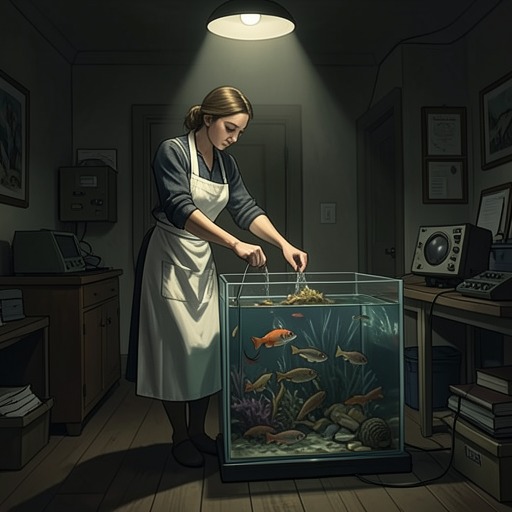
Later, at the pier, Tova imagines Erik beneath the water, holding the moonlight for her. This moment is directed toward her lost son, not Will, but it shows how bereavement continues to inhabit her present and how the bay gathers the losses she cannot resolve. At another point, a dream of tentacles enclosing her brings not fear but relief: she feels warm, silent, and blissfully alone. The image does not explain her widowhood, yet its solitude resonates with the private life she has had to make after loss. Her attachment to the dead does not vanish; it coexists with daily routines, other relationships, and a need for rest.
Refusal of romance and the possibility of companionship
When Ethan Mack invites Tova to supper, she insists repeatedly that it is not a date. She carries a bottle of wine awkwardly in the crook of her arm, trying to present it more carefully than Barbara Vanderhoof had, and reminds herself that the invitation is only for a quick meal with a friend. Even as she wonders whether Ethan is her friend, she keeps the category of romance at a distance. The hesitation reveals both the possibility of companionship and the boundary she has drawn around herself.
Tova later gives the boundary a plain explanation: she and Will were married for forty-seven years, and she cannot date. Ethan’s kindness does not alter that conviction. Nor does she describe her refusal as a judgment on him; she calls him a wonderful man, then returns to the fact of her marriage. Her words frame widowhood not as a temporary pause awaiting a replacement partner, but as a continuing relationship to a shared life that still matters to her.
Independence, care, and the life ahead
Tova’s widowhood also shapes her practical decisions. She tells Janice Kim that she has no children who will come stay after a fall, no grandchildren to unclog a drain or check that she takes her pills, and no wish to place those responsibilities on friends and neighbors. Janice challenges the assumption that accepting such help would be a burden. Tova nevertheless regards Charter Village as the best option and says she is going to sign the house-sale papers. Her reasoning shows the pressure of living alone after Will’s death: independence is precious, but she is also trying to plan for a future in which she may need assistance.
The tension remains unresolved in the evidence surrounding this period. Tova can appreciate Ethan’s company without consenting to date him, and she can consider communal care without treating her long marriage as something to leave behind. Her widowhood is therefore defined less by a completed passage through grief than by the negotiations grief makes necessary: memory alongside routine, solitude alongside friendship, and self-reliance alongside the prospect of care. Will remains part of the life by which she measures what comes next.