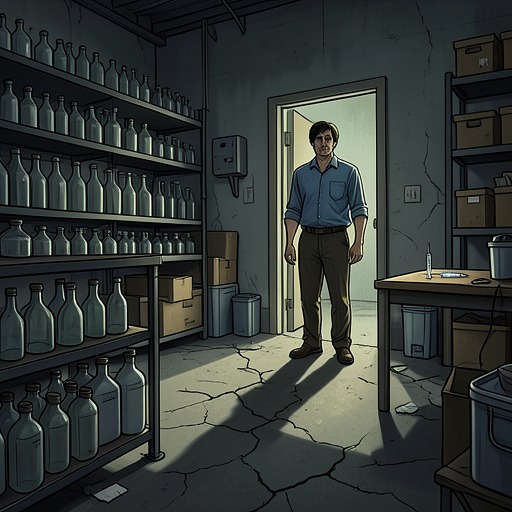
Harry and Tyrone's failed attempts to quit heroin
Requiem for a DreamHarry Goldfarb and Tyrone C. Love’s failed attempts to quit heroin turn a shortage into a test they cannot pass. When uncut heroin becomes unavailable, they briefly resolve to stop; within hours, and again a week later, they return to using. As the shortage deepens, withdrawal, anxious waiting, and the relief of a new supply make their declared freedom from the drug increasingly untenable.
Causes and First Attempt
The immediate cause is a change in the supply. Tyrone reports that Brody can still get heroin, but it has been cut, and cannot obtain uncut weight. Harry recognizes that dealing under those conditions would leave them able to cover little more than their own use. Tyrone asks why they do not simply stop. After a pause, Harry agrees that they should, but the agreement already contains a postponement: they will get high now and cool it tomorrow. Their talk turns to the prospect of being left with milk sugar instead of heroin, while the hoped-for future pound of pure remains an excuse to imagine that this interruption is temporary.
Marion Silver and Alice support the decision not to use, and the four go to sleep with what the narration calls a grim resolve. The next day does not bring a clean break. They rise around noon, smoke marijuana with their coffee, watch television, talk about eating and make plans they do not carry out. They dab at their running eyes and noses while passing the time with more coffee and marijuana. By three o’clock, they have reinterpreted their discomfort: the shortage, they decide, is no reason to panic, and their ability to spend the day without heroin seems to prove they can stop whenever they choose. They return to the spoon, and their physical symptoms clear. This first attempt fails not through a single dramatic decision but through a series of small revisions that turn withdrawal into an inconvenience and resumed use into evidence of control.
Repetition and Rationalization
A week later, with uncut heroin still unavailable, they try again. This time the resolve lasts even less long: they are back in the spoon before they have dressed. They wake earlier than usual with panic in their stomachs, burning eyes, and running noses, then treat heroin’s immediate relief as confirmation that stopping must wait. They tell themselves they are not incapable of quitting; this is simply the wrong time, they have too much to do, and they are unwell. An occasional taste, they reason, will help them hang loose until everything is straightened out. The language of a temporary exception protects the habit from the meaning of the repeated relapse.
The same self-deception appears in the way the four understand the shortage. Their first return to use restores comfort quickly enough to make the attempt seem unnecessary; the second confirms how quickly bodily need can override intention. Yet the narrative makes the cost of this circular reasoning visible: each return relieves the immediate sickness without changing the circumstances that produced it. The plan to quit is repeatedly deferred to a more convenient future, while the need for heroin occupies the present.
Shortage, Waiting, and Relapse
The scarcity eventually reaches their own home. Their phone rings constantly with people looking for heroin, and although they sometimes obtain enough to sell, much of what they get is consumed by their own use. One night no supply arrives despite promises from two sources. They take sleeping pills, but their bodies still shake and they tremble inwardly. They have never before gone to bed without heroin in the house for the morning. That absence makes explicit what their earlier plans had avoided: they have come to depend on having the drug ready when they wake.
They have saved used cottons and consider extracting what remains, but initially decide to hold them for morning, bolstering that decision with downers and marijuana. Their sleep is shallow and distressing. They sweat and feel cold; pain and nausea gather, and mounting anxiety makes breathing feel threatened. When Marion wakes gasping, Harry asks if she is all right and suggests using the cottons. They agree, although it is earlier than planned. What began as a game of saving the cottons has become a kind of life preserver: using the reserve lets them escape the immediate crisis, but also shows how little distance remains between trying to endure withdrawal and preparing another dose.
Waiting for a new supply becomes its own ordeal. Harry and Marion sit by the telephone, keeping their attention on television while silently calculating the time and watching for signs in each other’s faces. When Tyrone finally calls to say that he is back and has heroin, Marion asks to ride with Harry to his place, saying she could use fresh air. Their relief is so powerful that they try to conceal it even from one another. At Tyrone’s, they eventually ask for the drugs, take bags, and use. The previous night’s fears and the day’s internal struggle disappear from their minds; the four spend the rest of the day listening to music, talking, and getting high. The return of supply resolves the immediate distress, not the dependence that made the wait intolerable.
From Personal Relapse to Street Crisis
The episode broadens beyond Harry and Tyrone as the shortage grows. The aim is no longer to make money but simply to obtain enough heroin for themselves: sometimes enough for the moment, then another search for the rest of the day and a secure dose for waking. Neighborhood streets and hallways fill with people seeking drugs while sick and cold. Some try to keep warm in abandoned buildings; others fear being robbed on the way back with a purchase. In this worsening environment, the repeated attempts to quit are not isolated failures but part of a narrowing struggle in which securing the next dose takes precedence over other aims.
Harry and Tyrone move progressively farther into this dangerous drug market. At first they approach its ruined buildings from the edges; later, need drives them deeper, and they travel together because going alone makes them vulnerable to robbery. Their addiction distorts what they see and how they explain it: dangers are accepted as ordinary, while the belief that they remain free survives alongside increasingly compulsive behavior. The failed attempts to stop thus mark a change in scale. What began as a response to cut heroin becomes a cycle of resolve, withdrawal, rationalization, and renewed use, followed by a desperate search for enough heroin to get through the next few hours.