
The Suffering of the Innocent
ResurrectionHighlights the many innocent people who are crushed by the system: Maslova, the Menshoffs, Shoustova, the boy who stole mats, and the political prisoners.
increasing Bearing strength in each event
 decreasing
Bearing strength in each eventdecreasingThe Innocent Boy
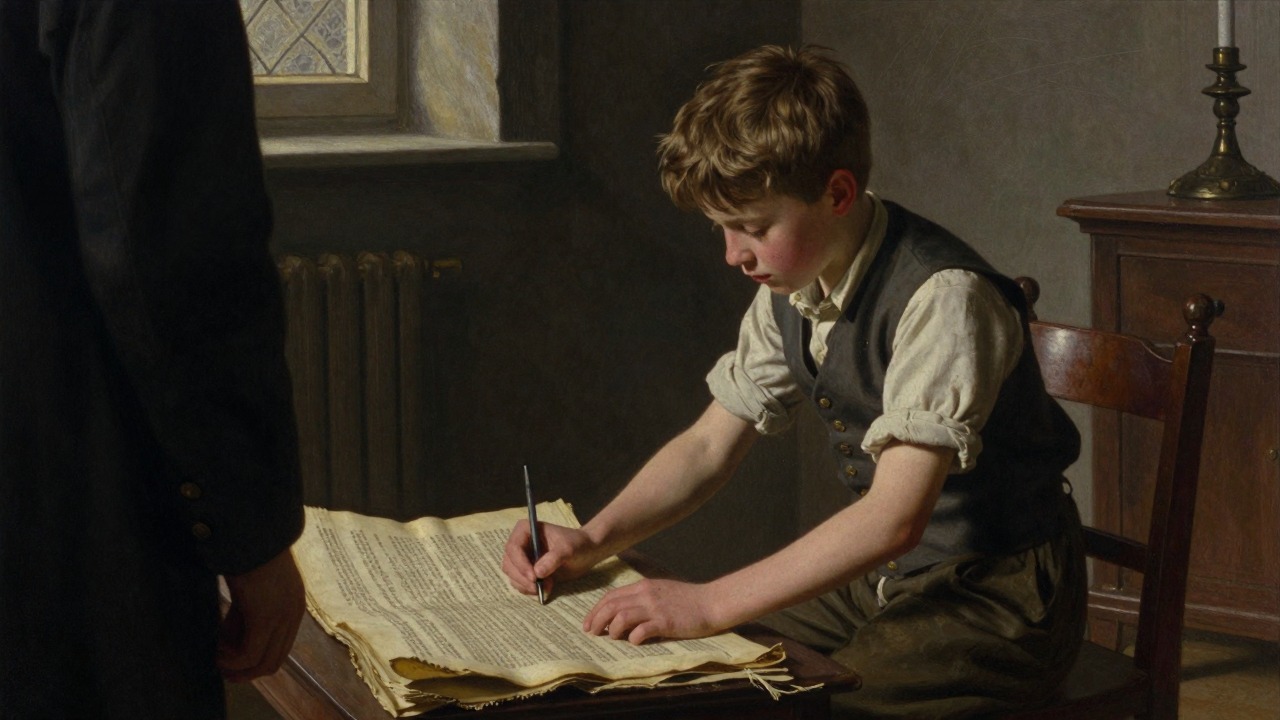
The Innocent Boy
The Petty Theft
A young boy is tried for stealing old mats worth a few rubles. He is a victim of poverty and circumstance. The legal machinery treats him as a dangerous criminal.
The Social Causes
Nekhludoff reflects that the boy is a product of the factory system, which exploits workers and drives them to drink and crime. The real criminals are the factory owners and the indifferent society.
The Futility of Punishment
Prison will not reform the boy; it will only corrupt him further. The system perpetuates the cycle of crime. The boy's story is a microcosm of the entire problem of criminal justice.
The Wrongfully Imprisoned Shoustova
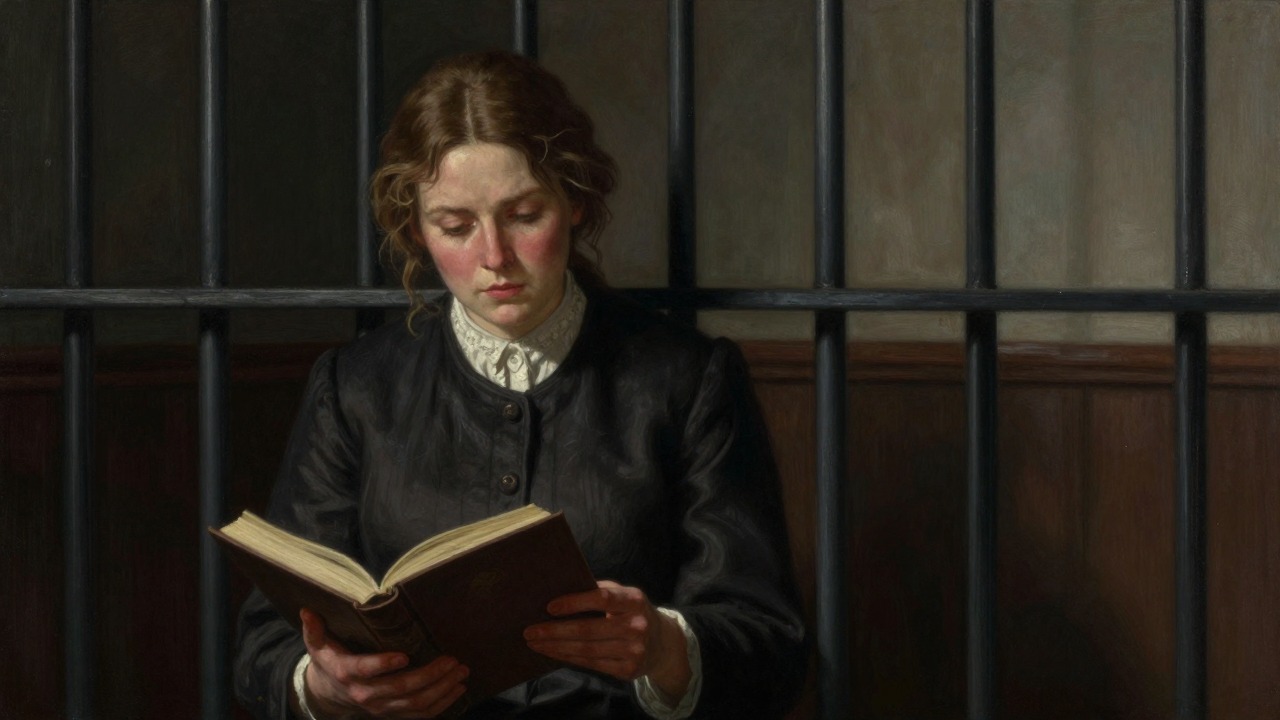
The Wrongfully Imprisoned Shoustova
The Arrest for Nothing
Lydia Shoustova was imprisoned for seven months because she refused to betray her friends. She was innocent of any crime. The authorities used her to try to get information.
The Psychological Torment
In solitary confinement, she suffered from hallucinations and nearly went mad. The experience left her traumatized. Her release was obtained only after Nekhludoff's intervention.
The Indifference of the System
No one apologized or compensated her. The system simply moved on to the next victim. Shoustova's story is a reminder of the countless lives destroyed by the secret police and the judiciary.
The Dead Convicts
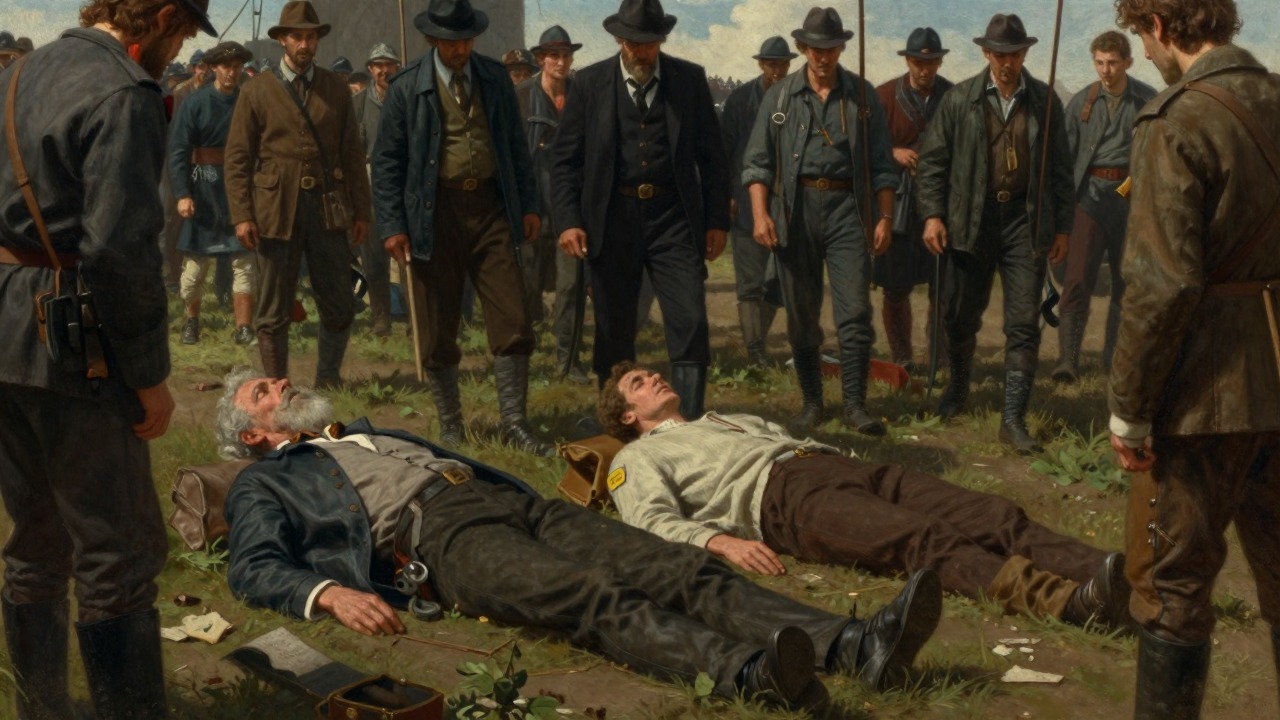
The Dead Convicts
The Sunstroke Deaths
Five convicts die of sunstroke in one day. Their deaths are a direct result of the inhuman conditions of the march. The authorities treat them as expendable.
The Two Bodies
Nekhludoff sees the bodies of two dead convicts: one is ugly and old, the other is young and handsome. Both are victims of a system that values order over life.
The Question of Responsibility
No one is held responsible. The officials pass the blame. The deaths are an accident, but the accident is a direct consequence of the system's cruelty. The novel asks: who is guilty?
The second day of the trial
In Petersburg
The day of the march
