
Violence Escalating Into Ritual
RetributionThis thread follows the novel’s depiction of sexual violence as a developing pattern, from intimate stalking and assault to ritualized murder and the final attempted repetition against C.J.
increasing Bearing strength in each event
 decreasing
Bearing strength in each eventdecreasingStalking Before Assault
Stalking Before Assault
Fantasy shaped by observation
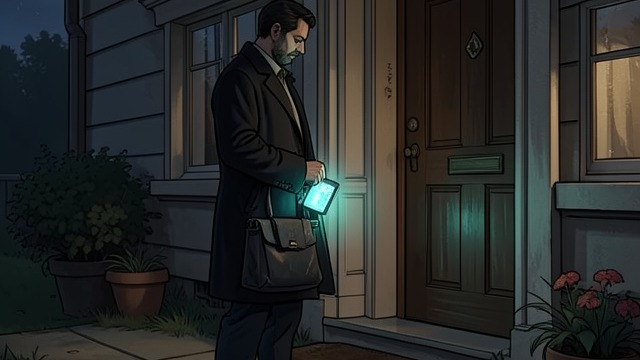
Before entering Chloe Larson’s home, the Clown has studied her appearance, habits, belongings, and relationship. He converts ordinary details into a private fantasy in which watching her becomes a claim of ownership.
From trespass to control
The break-in is the culmination of earlier access to her apartment and personal information. The attacker’s knowledge makes the assault feel designed for her specifically, not simply chosen at random. His planning turns stalking into preparation for physical violence.
The episode establishes an escalation in which surveillance, intrusion, and assault are connected stages. The apparent transition from one kind of violation to another is already a progression underway.
Torture as Intimacy
Torture as Intimacy
Violence personalized
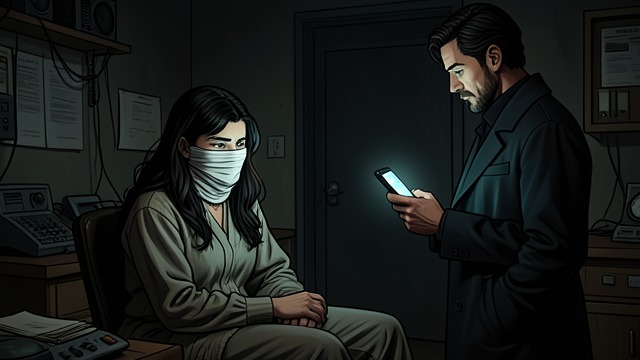
The Clown binds and gags Chloe, uses her private information to unsettle her, and turns her home into a controlled scene. His aim is not limited to sexual assault: he also uses fear, pain, and humiliation to impose a private performance on her.
Lasting bodily harm
The attack leaves Chloe with severe injuries and the loss of her ability to carry a child. That physical consequence becomes part of her later identity and relationships, while the psychological aftermath reaches far beyond the night itself.
The novel presents sexual violence as more than a single criminal act. Its consequences extend into the victim’s sense of safety, intimacy, and future, and cannot be neatly contained by the word “rape.”
From Rape to Murder
From Rape to Murder
A pattern hard to see
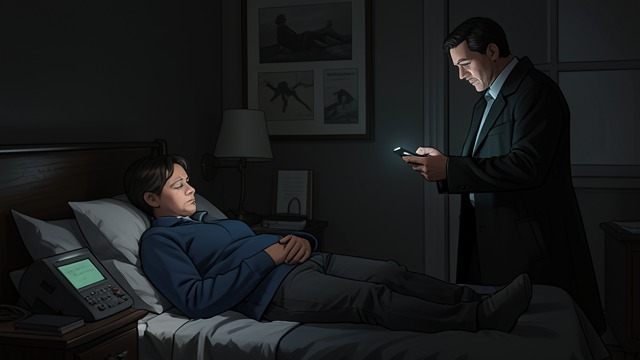
C.J.’s research uncovers earlier masked rapes in several cities, suggesting that Bantling’s violence predates the murders known to the Miami task force. Across jurisdictions, victims describe similar methods, but disconnected investigations fail to identify a shared offender.
Escalation in the present
The Cupid murders carry the violence further. Women disappear from crowded clubs, are drugged and restrained, and are killed in staged scenes. Anna Prado’s autopsy reveals the use of a drug that can keep a victim conscious while leaving her unable to move.
The progression suggests not a sudden change but an offender repeatedly intensifying his violence. C.J.’s discoveries connect her own experience to a wider pattern, even where legal deadlines make prosecution of earlier crimes impossible.
The Killer’s Trophies
The Killer’s Trophies
Violence staged for an audience
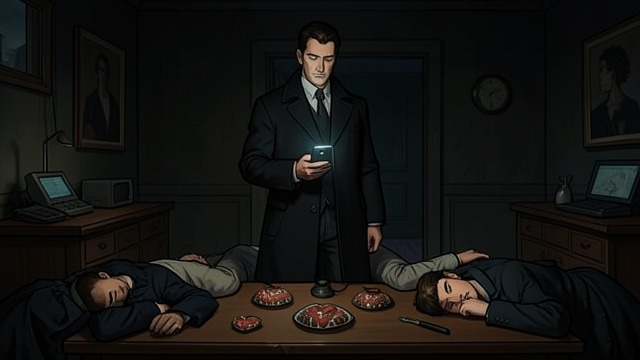
Bantling’s victims are not merely killed; their bodies are arranged, photographed, and discovered in ways that communicate control. The missing hearts become the most disturbing signature of that ritual, suggesting that the violence continues in the killer’s private collection.
A record of escalation
The photographs found with the hearts show that the murders were documented as they happened. This evidence makes the victims’ suffering part of a deliberate record, and gives the prosecution a connection between Bantling and crimes that physical evidence had not yet linked to him.
The trophies reveal violence moving beyond the moment of death into preservation and memory. They also turn the killer’s intended spectacle against him: the images meant to memorialize his power help expose the scale of his crimes.
The Pattern Repeated
The Pattern Repeated
A new perpetrator
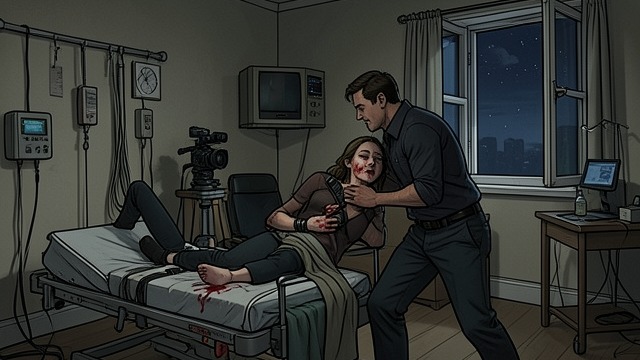
After Bantling is convicted, Gregory Chambers abducts C.J. and prepares a staged killing that resembles the violence described in the murder investigation. He uses drugs, restraints, a gurney, and a camera, showing that the pattern can be appropriated by someone who has watched it closely.
Survival interrupts repetition
C.J. recognizes the danger and fights back, despite being drugged and injured. Chambers’s attempt to turn her into another controlled subject fails when she wounds him and escapes the locked room to seek help.
The episode complicates the idea that arresting one offender ends a pattern of violence. Chambers’s crime suggests a separate, hidden escalation, while C.J.’s survival prevents the pattern from claiming its final intended victim.
June 1988, in the days before Chloe’s attack
June 30, 1988, during the attack
1999 to September 2000, as the Cupid murders emerge
Autumn 2000, during the search for the victims’ hearts
New Year 2001, during Chambers’s attempt to kill C.J.
