
Victor Chavez’s False Stop Story
RetributionThis thread traces how a rookie officer’s unlawful stop threatens the murder case, how officials conceal its real basis, and how the false account survives scrutiny long enough to endanger the trial.
increasing Bearing strength in each event
 decreasing
Bearing strength in each eventdecreasingThe Convenient Traffic Stop
The Convenient Traffic Stop
A discovery that looks like luck
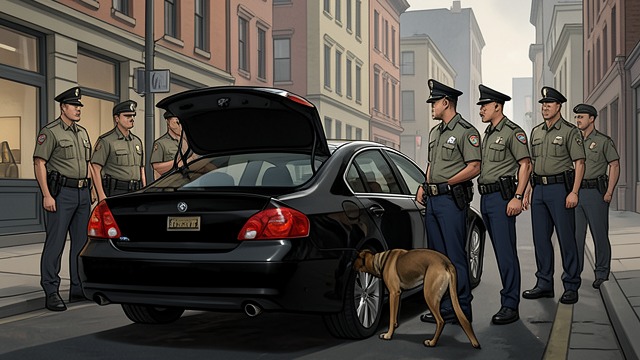
Officer Victor Chavez stops William Rupert Bantling’s Jaguar after receiving a report that a black vehicle is carrying cocaine. The reported details are thin, and Chavez has not independently confirmed enough information to establish a proper basis for the stop. Once the car is stopped, Bantling refuses consent to search the trunk.
Chavez calls for a canine unit, and the dog alerts on the trunk. Officers open it and find Anna Prado’s mutilated body. The discovery appears to solve a string of murders, but the circumstances of the stop are legally vulnerable from the outset.
The reportable version
The incident rapidly draws officers from multiple agencies and becomes a national media spectacle. In the first account given to investigators, Chavez describes an ordinary traffic stop: speeding, a broken taillight, a suspicious odor, and a search prompted by what he observed himself.
That version converts an unsupported tip into a routine enforcement encounter. It matters because evidence found after an unlawful stop can be excluded, potentially taking not only the body out of the case but also evidence found through subsequent searches. The first official story therefore carries unusually high stakes.
The Prefile Unravels
The Prefile Unravels
Geography contradicts the account
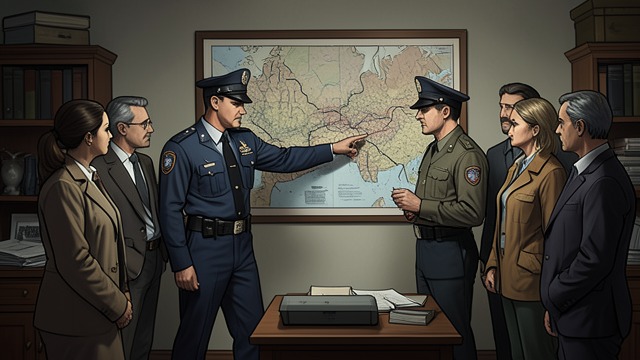
While taking Chavez’s sworn prefile, C.J. Townsend asks him to explain where he was when he first saw the Jaguar. His answers place him on a one-way street and describe a route that could not have taken him directly in the direction he claims to have followed the car.
Townsend tests the details one by one: the direction of traffic, the officer’s position, the distance to the causeway, and whether he maintained sight of the vehicle. Each inconsistency makes the routine-traffic-stop account less credible. She finally tells Chavez that she knows he is lying and demands the real explanation.
The anonymous tip emerges
Chavez admits that he was responding to an anonymous report alleging cocaine in the trunk. He had followed the Jaguar toward the causeway despite losing sight of it and then stopped Bantling without sufficient independent corroboration. His earlier claims about speeding and other observations were not the actual basis for the stop.
The revelation leaves Townsend facing a severe legal and practical problem. If the stop is ruled unlawful, the search and the body may be suppressed. Without the trunk discovery, the authorities might never have identified Bantling or obtained the evidence from his residence. The case’s apparent breakthrough is also its greatest procedural weakness.
A Story Rewritten Under Oath
A Story Rewritten Under Oath
The officers decide to conceal the truth
Chavez reveals that Sergeant Lou Ribero and Officer Sonny Lindeman know about the anonymous tip. Ribero has already warned that the stop could bring the case down, but instead of disclosing the problem, the officers work with Townsend on a replacement account.
The new version has Chavez observing speeding, unsafe driving, a broken taillight, blood on the bumper, and the smell of marijuana. These details are presented as the grounds for stopping and searching the Jaguar, despite Chavez’s admission that they were not what actually happened. Ribero confirms the false account under questioning.
The prosecution crosses an ethical line
Townsend understands the consequences of what she is doing. She knows the stop lacked a lawful basis and that the revised story is false, but she allows it to stand because she believes disclosure will free a dangerous suspect and destroy the case.
Her choice gives the prosecution a version of events capable of surviving an initial challenge, while binding Chavez and Ribero to testimony that can later be tested in court. The compromise protects the immediate investigation but creates a new vulnerability: the case now depends not only on difficult evidence, but on witnesses maintaining a deliberate lie.
Lourdes Finds the Weakness
Lourdes Finds the Weakness
The defense builds around the stop
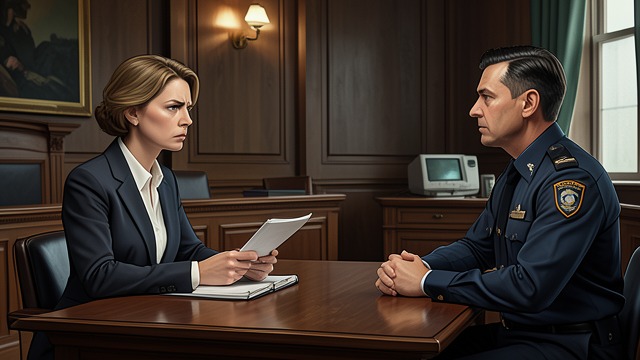
Lourdes Rubio files a motion challenging the legality of Bantling’s stop and the search of the Jaguar. Her written motion questions the officer’s claimed grounds, including the alleged traffic violations, but does not initially disclose the anonymous tip.
Rubio has independently heard Chavez describe the tip while socializing at The Clevelander. She obtains the emergency-call recording before it is erased, preserving an independent source that can contradict the officers’ new account. The defense’s knowledge makes the concealment more dangerous than a single witness’s shifting memory.
The hearing leaves a warning
At the suppression hearing, Rubio questions Chavez about the stop. His account is rehearsed and uncomfortable, and his answers make him look evasive. She presses him near the subject of the tip but does not expose the full recording or force the case to collapse at that hearing.
The judge denies the motion on the evidence presented, allowing the prosecution to proceed. But the hearing does not erase the underlying problem. Chavez’s credibility is damaged, and the anonymous call remains a concealed fact capable of returning at trial when the defense has more leverage.
A Lie Survives Until Trial
A Lie Survives Until Trial
The case reaches the jury
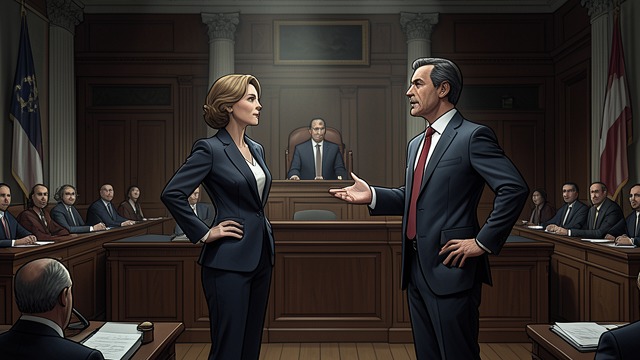
When Bantling’s trial begins, the state presents the stop as a routine traffic encounter. Chavez testifies that he saw speeding and a broken taillight, then noticed evidence that led him to suspect contraband. His testimony is more polished than before, but its rehearsal and tension remain visible.
Rubio questions him about the route, his observations, and his reason for pursuing the Jaguar. She signals that the account has a concealed weakness without initially laying every fact before the jury. Townsend recognizes the danger but does not reveal the true basis for the stop, because doing so would expose the prosecution’s own misconduct.
Credibility becomes part of the verdict
The defense’s broader case casts doubt on the forensic links and suggests that Bantling was framed. The weakness in Chavez’s testimony helps that argument: jurors have reason to question whether the investigation was as reliable as the state claims.
The late discovery of the hearts and photographs ultimately shifts the jury’s attention back to overwhelming evidence against Bantling, but it does not make the false stop story lawful or honest. The subplot ends with a conviction, while the moral and procedural cost of the officers’ and prosecutor’s concealment remains unresolved.
September 19, 2000, on the MacArthur Causeway
Late September 2000, during C.J. Townsend’s witness interview
Immediately after Chavez admits the tip during his prefile
October 2000, before the motion to suppress hearing
December 2000, during the murder trial
