
The Prosecutor and Her Unpunishable Attacker
RetributionThis thread traces how C.J. Townsend’s recognition of William Rupert Bantling turns a murder prosecution into a personal conflict that the law cannot resolve on her behalf.
increasing Bearing strength in each event
 decreasing
Bearing strength in each eventdecreasingRecognition in Court
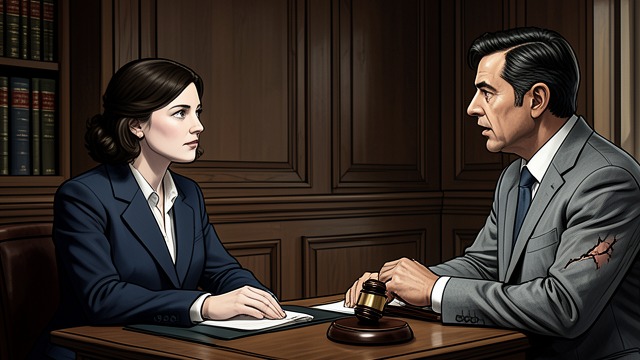
Recognition in Court
A voice returned
C.J. Townsend recognizes William Rupert Bantling when he speaks in court. The voice recalls the masked attacker who raped her twelve years earlier; a jagged scar on his arm confirms what her memory already insists. Her professional role suddenly shares a room with the person who shattered her earlier life.
The conflict takes shape
Bantling does not appear to recognize her. That apparent imbalance leaves C.J. with a choice: disclose the connection and risk losing control of a complex prosecution, or keep it private while she verifies what she knows. The case becomes both a public murder investigation and a private reckoning.
A Closed Legal Door
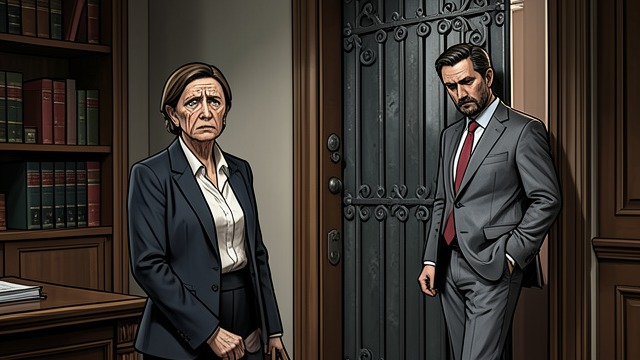
A Closed Legal Door
Time bars the old case
C.J. contacts the Queens County District Attorney’s Office and learns that New York’s five-year felony limitation period has expired. No timely indictment was filed for the assault, and there is no DNA indictment or arrest to revive the case. Bantling cannot be extradited to face her rape prosecution.
Justice narrows
The answer turns recognition into frustration: she knows who harmed her, but the ordinary criminal process cannot charge him for it. The same legal system she has built her career serving now offers no remedy for that crime. Her only remaining route is the separate murder case, where she must distinguish accountability from personal revenge.
The Decision to Stay

The Decision to Stay
Duty against self-protection
C.J. considers withdrawing from the prosecution. A conflict disclosure could disqualify her office and transfer the case to an unfamiliar prosecutor, while silent reassignment would invite questions about why she abandoned a career-defining case. Neither option feels safe for the victims or for her.
A dangerous compromise
She decides to take the case through indictment and perhaps later hand it to a colleague. She tells herself that she can proceed because she has not yet verified Bantling’s identity beyond doubt. The choice buys time, but it also binds her personal knowledge to professional decisions she will have to defend.
The Accusation in Prison
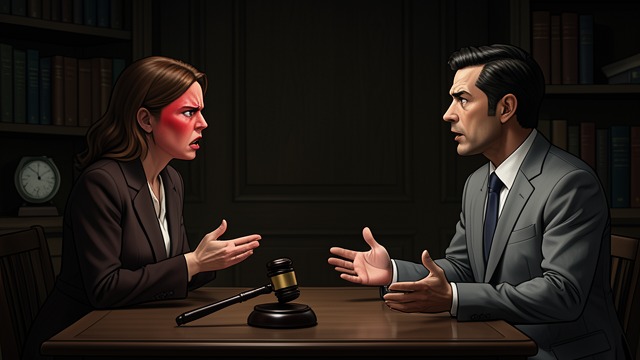
The Accusation in Prison
The attacker turns the case around
Bantling lets his attorney, Lourdes Rubio, reveal that C.J. was raped in New York and claims he was her attacker. He frames her prosecution as a vendetta and suggests she is suppressing evidence because she knows he is innocent. His words force C.J. to face the accusation in a locked room, with the man who knows how to weaponize her past.
A public threat gains force
C.J. answers with anger and insists the claim is a tactic, but the confrontation makes the concealed connection impossible to ignore. Bantling has found a way to make her victimization part of his defense strategy, shifting pressure from his alleged crimes to her fitness as prosecutor.
Truth Under Oath

Truth Under Oath
The allegation becomes public
After the jury convicts Bantling, he erupts in court and announces that he raped C.J. Judge Leopold Chaskel III asks her to respond. C.J. confirms that she was raped but denies that Bantling was the attacker, preserving her position even as the disclosure exposes her private history to the courtroom and the media.
A costly resolution
The conviction does not erase the old assault or settle every question about her conduct. It does, however, deny Bantling the chance to turn his claim into a successful challenge at that moment. The Third District Court of Appeal later rejects his appeal, including his conflict argument, leaving C.J. with a public truth and a continuing personal cost.
September 2000, at Bantling’s first appearance
The week after the first appearance
Late September 2000, after C.J.’s session with Gregory Chambers
October 2000, during a jail meeting about a plea
January 2001, after the guilty verdict
