
A Case Built on a Contested Stop
RetributionThis thread follows the evidence against William Rupert Bantling as a questionable traffic stop, a concealed tip, and a fragile witness threaten to undo the murder prosecution.
increasing Bearing strength in each event
 decreasing
Bearing strength in each eventdecreasingA Trunk on the Causeway
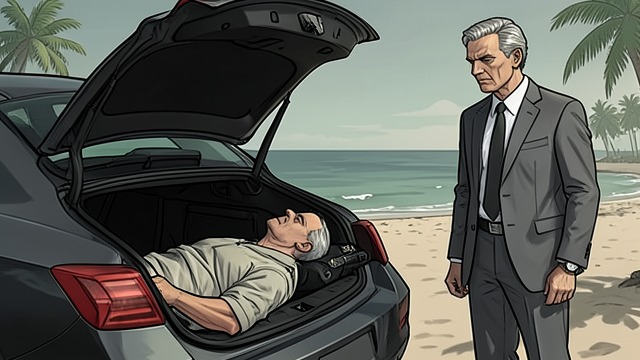
A Trunk on the Causeway
A dramatic discovery
Miami Beach officer Victor Chavez stops William Rupert Bantling’s Jaguar and discovers Anna Prado’s mutilated body in the trunk. The discovery appears to connect Bantling to the Cupid killings at once. Investigators find the situation compelling enough to move rapidly toward a major prosecution.
The hidden weakness
The arrest initially rests on a traffic stop that Chavez describes as routine, supported by speeding and a broken taillight. The immediate spectacle obscures the legal question beneath it: whether the officer had a lawful reason to stop the car before opening the investigation that follows.
A Story Unravels
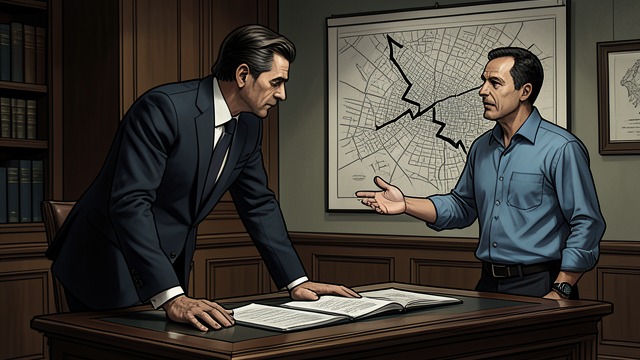
A Story Unravels
The first account falters
C.J. questions Chavez under oath and tests his account against the streets he says he used. His claim that he watched the Jaguar speeding from a particular position does not fit the street layout. Pressed, he admits that an anonymous caller had reported cocaine in the car and that he had lost sight of the vehicle before stopping it.
The case becomes vulnerable
The revised account exposes a stop without adequately corroborated grounds. If the stop is unlawful, the trunk search and evidence discovered through it may also be excluded. C.J. now sees that the prosecution’s most dramatic evidence may depend on a patrol officer who has already contradicted himself.
The Fabricated Account
The Fabricated Account
A pact to repair the stop
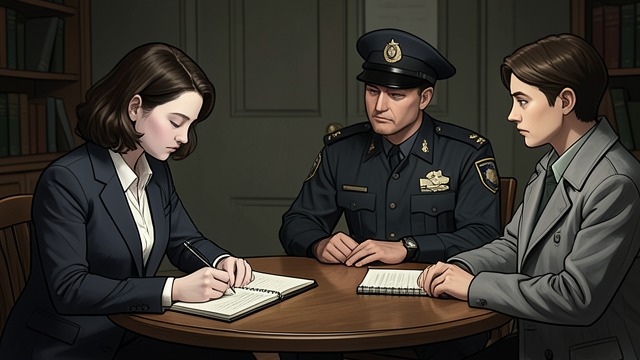
C.J. understands that the original stop cannot be defended honestly. Rather than reveal the tip and allow the defense to challenge it, she dictates a new account: speeding, a broken taillight, suspicious behavior, apparent blood, and the smell of marijuana. Chavez and Sergeant Lou Ribero accept the version and agree to present it as what happened.
The greater-good rationale
C.J. tells herself that the fabrication is a limited sacrifice necessary to keep a dangerous man from walking free. In reality, it compromises her own integrity and the case’s legitimacy. The prosecution’s immediate survival now depends on concealing a fact that could determine whether its evidence is admissible.
The Suppression Hearing
The Suppression Hearing
Cross-examination finds the strain
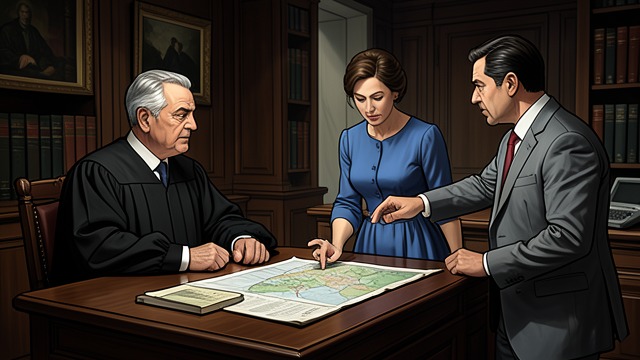
Lourdes Rubio calls Chavez to challenge the stop and exposes gaps in his account. The officer becomes nervous as she probes the route, his observations, and his reasons for searching the car. Bantling attempts to interrupt, but Judge Leopold Chaskel III keeps the hearing focused on the legal issue.
A temporary reprieve
Rubio knows something about the anonymous tip, but she does not force the issue to a conclusive disclosure. C.J. wins the motion, and the evidence remains available for trial. The ruling protects the case for now, but the hearing has shown how easily the prosecution’s account might collapse under sustained scrutiny.
Reasonable Doubt and Recovery
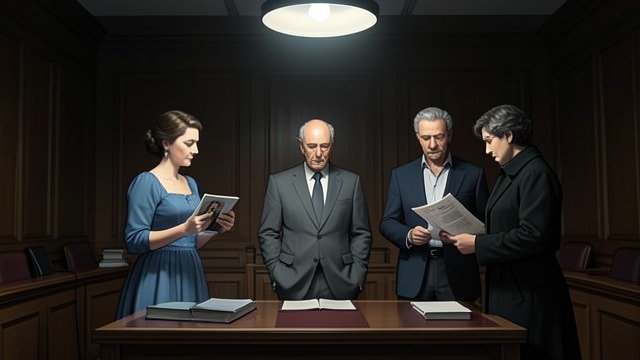
Reasonable Doubt and Recovery
The defense exposes uncertainty
At trial, Rubio presents evidence that the Jaguar had been left at a tinting shop and that workers could access it. Experts challenge the state’s interpretation of blood and the scalpel. The prosecution’s case, already endangered by the concealed stop, loses persuasive force as the jury hears plausible alternative explanations.
New evidence changes the balance
Dominick Falconetti locates Bantling’s aunt’s mobile home in Key Largo, where investigators find the victims’ hearts and photographs documenting torture and murder. C.J. reopens the state’s case; the exhibits transform a circumstantial prosecution into a far more direct account, and the jury returns a guilty verdict. The discovery restores the case but cannot undo the earlier deception.
September 19, 2000, at the MacArthur Causeway stop
Late September 2000, during C.J.’s prefile interview with Victor Chavez
Late September 2000, after Chavez admits the anonymous tip
Halloween, October 31, 2000
Late December 2000 to January 5, 2001, during trial and deliberations
