
The Price of a Prosecutor’s Compromise
RetributionThis thread traces C.J. Townsend’s increasingly risky choices as she conceals conflicts, manipulates procedure, and tries to keep Bantling from escaping accountability.
increasing Bearing strength in each event
 decreasing
Bearing strength in each eventdecreasingA Private Conflict

A Private Conflict
Professional knowledge, personal history
C.J. recognizes that her history with Bantling creates a serious conflict for her prosecution. She understands that the connection should be disclosed and may require recusal, but she also believes that transferring the case could place its complex evidence in less experienced hands.
The temptation to control the outcome
Rather than immediately tell her supervisor, C.J. seeks legal and therapeutic advice while preparing the case. Her fear of losing control becomes an argument for keeping the conflict private. That decision converts an emotional crisis into a professional risk that deepens with every step she takes.
The Suppressed Disclosure
The Suppressed Disclosure
Evidence at any cost
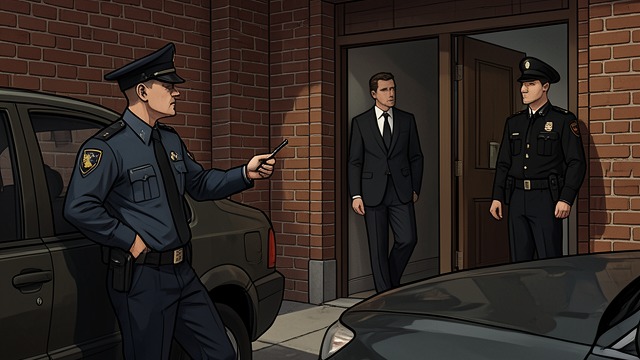
When Chavez admits the Jaguar stop began with an uncorroborated anonymous tip, C.J. knows the search may be unlawful. She helps replace the account with a fabricated traffic-stop narrative, believing that without the body and linked evidence Bantling could walk free.
The compromise becomes structural
Her decision is not merely a private omission: it depends on a witness repeating false facts under oath. The effort to preserve a prosecution against a dangerous defendant now threatens the fairness and legitimacy of that prosecution. C.J. has placed herself inside the misconduct she fears may destroy the case.
Stolen Evidence

Stolen Evidence
A personal object in state custody
While reviewing seized property, C.J. finds the Clown mask and the Heart-shaped pendant that Bantling took from her during the 1988 assault. The objects confirm a direct connection between her past and the defendant, but they are also evidence under official control.
A second breach
C.J. secretly removes both objects and reseals the evidence packaging. She believes that the defense could use the connection to discredit her and derail the prosecution. By taking evidence from the record, she compounds the concealed conflict with an act that could itself undermine the case and her professional standing.
A Defense Ambush
A Defense Ambush
The conflict becomes a weapon
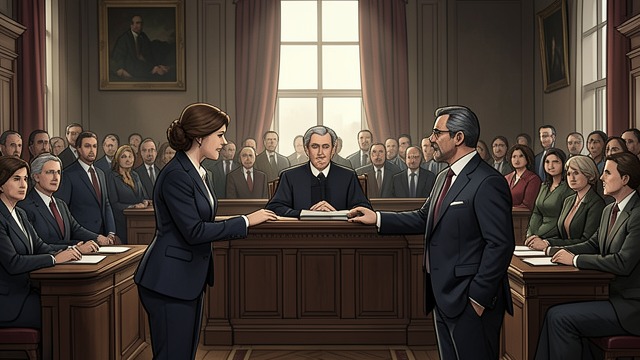
Bantling’s accusation that C.J. was his victim gives Lourdes Rubio a basis to challenge the prosecutor’s impartiality. C.J. does not disclose the full connection when she continues handling the case. In court, she denies that Bantling raped her, while his outbursts make the allegation a public spectacle.
Judgment under pressure
C.J. is not simply defending a legal theory; she is trying to preserve authority over a case whose ethical foundation has become fragile. The hearing leaves the conflict unresolved in formal terms, but makes clear that Bantling can raise it whenever it may help him. Her silence protects the prosecution briefly and leaves her exposed.
Victory Without Exoneration
Victory Without Exoneration
A verdict, then an appeal
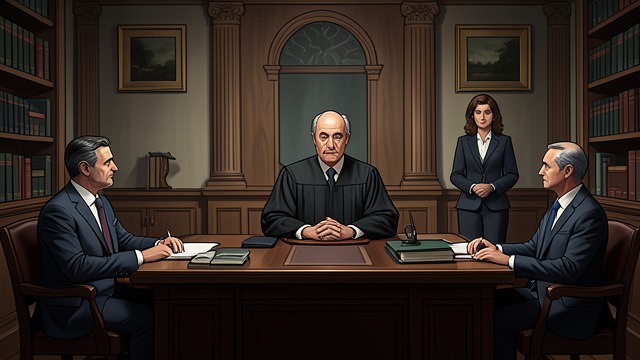
The discovery of the victims’ hearts and photographs strengthens the murder case, and the jury convicts Bantling. He publicly alleges that C.J. framed him because she was his rape victim, forcing her to acknowledge the old assault before the courtroom.
Consequences remain
The Third District Court of Appeal upholds the conviction and rejects Bantling’s conflict argument. That ruling settles the appeal’s immediate challenge, but it does not erase C.J.’s concealed decisions or the personal cost of the trial. The case ends with legal victory, not a clean moral accounting of the means used to achieve it.
September 2000, after C.J. recognizes Bantling
Late September 2000, after the illegal stop is revealed
October 2000, while reviewing exhibits at FDLE headquarters
October 2000, during Bantling’s jail meeting and the subsequent hearing
January to November 2001, after conviction and through the appeal ruling
