
Hans’s Classmates and Their Fates
ReunionThe schoolmates Hans remembers as ordinary boys are divided by antisemitism, war, and death, and their names return through a memorial list decades later.
increasing Bearing strength in each event
 decreasing
Bearing strength in each eventdecreasingA Classroom of Boys
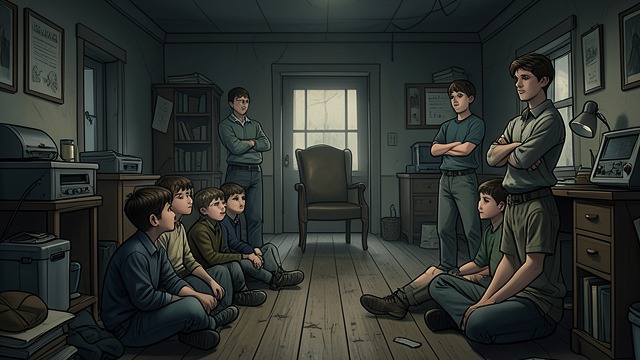
A Classroom of Boys
Everyday rivalries
Hans remembers a class of ordinary, sometimes cruel boys, with cliques and teasing shaping daily school life.
A bounded community
At first, he sees little explicit religious or racial hostility. That apparent normality makes the later transformation more disturbing.
The Caviar Clique
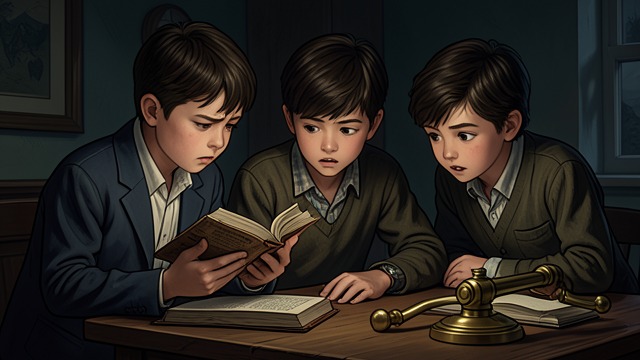
The Caviar Clique
Cultural self-importance
Three boys cultivate literary interests and imagine themselves destined for distinction.
A failed recruitment
They invite Konradin into their circle, but he politely declines. Their response to status reveals how even school friendships reproduce social competition.
Bollacher’s Hostility
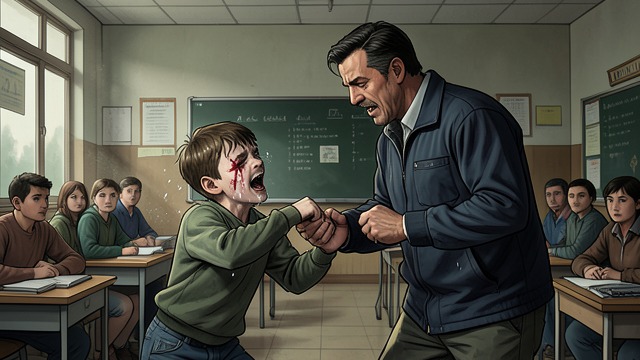
Bollacher’s Hostility
Prejudice made personal
Bollacher directs an antisemitic insult at Hans and challenges him when Hans refuses to accept it.
A violent break
Hans fights him as the class watches. The confrontation turns a school rivalry into a direct struggle over racial belonging.
The Wartime Dead
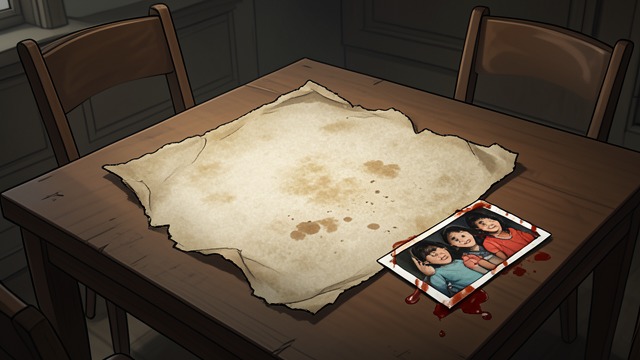
The Wartime Dead
Names become casualties
Many boys from Hans’s class die or disappear in Russia and Africa, according to the later memorial list.
Childhood measured in losses
The classmates who once seemed to possess ordinary futures become wartime entries. Hans’s distance from Germany cannot prevent him from mourning some of them.
Names Revisited
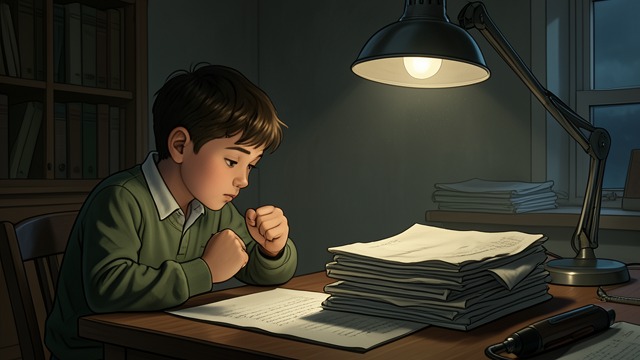
Names Revisited
Reading the list
Hans recognizes some classmates, feels little for others, and remembers his own earlier persecution by Bollacher and Schulz.
A morally difficult response
His satisfaction at the persecutors’ deaths is immediately qualified by doubt about whether anyone deserves death. The list forces memory into judgment.
Early 1932, before the school becomes openly hostile
Soon after Konradin arrives at school
Autumn 1932, during Hans’s final months at school
During the Second World War
Thirty years after Hans leaves Germany
