
Memory, Trauma, and Forgetting
ReunionHans tries to protect himself by avoiding Germany and its language, but the past returns through ruins, a memorial list, and the name he cannot bear to read.
increasing Bearing strength in each event
 decreasing
Bearing strength in each eventdecreasingThe First Wound
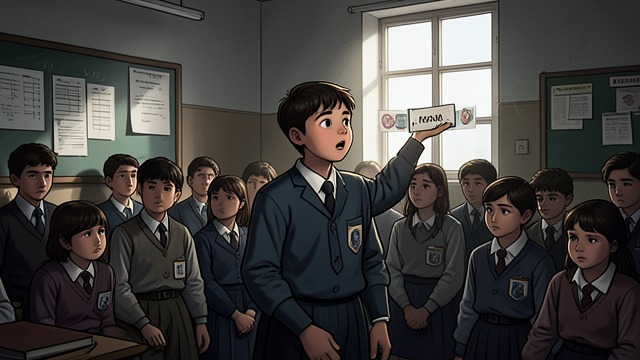
The First Wound
Exclusion experienced
The school conflict teaches Hans that familiar classmates and institutions can become sources of racial danger.
Memory begins
His later narration presents the event as part of a process of uprooting that starts before his departure.
The Past Carried Abroad

The Past Carried Abroad
Life in exile
Hans builds a new life in the United States but carries grief for his parents and former home.
Protective forgetting
He avoids German books and conversation. The effort to forget signals the continued force of what he remembers.
A Ruined City
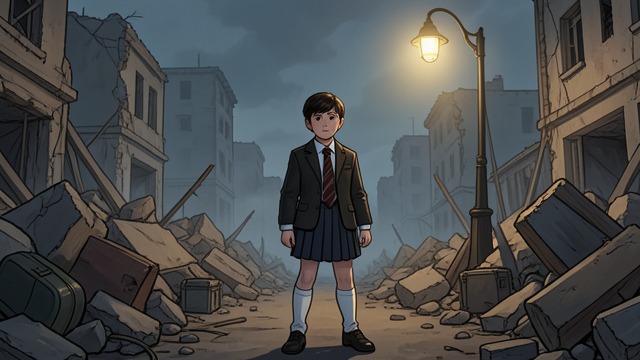
A Ruined City
News of destruction
Hans hears that Stuttgart, his school, and Palais Hohenfels have been reduced to rubble.
An inexpressible response
He laughs but cannot explain why. The city’s destruction brings his lost childhood into contact with a history he cannot comfortably mourn.
The Memorial Arrives

The Memorial Arrives
An unwanted summons
A memorial appeal and list of fallen pupils arrive from Karl Alexander Gymnasium without warning.
Resistance breaks down
Hans first wants to throw it away, then reads through the names while deliberately avoiding the letter H.
The Name at Last

The Name at Last
The avoided entry
Hans struggles to destroy the list before finally opening it to Konradin’s name.
Memory completed, not healed
The entry reports Konradin’s execution. Hans receives the truth he has feared, while the story ends without explaining away his pain.
Autumn 1932, after Hans is attacked at school
After Hans arrives in America
After the Second World War, when Hans hears about Stuttgart
Thirty years after Hans left Germany
The final moments of Hans’s account
