
Status, Shame, and Human Dignity
ReunionHans’s fascination with aristocratic prestige makes him briefly ashamed of his family, but exclusion teaches him to insist on a dignity no title can diminish.
increasing Bearing strength in each event
 decreasing
Bearing strength in each eventdecreasingThe Count’s Arrival
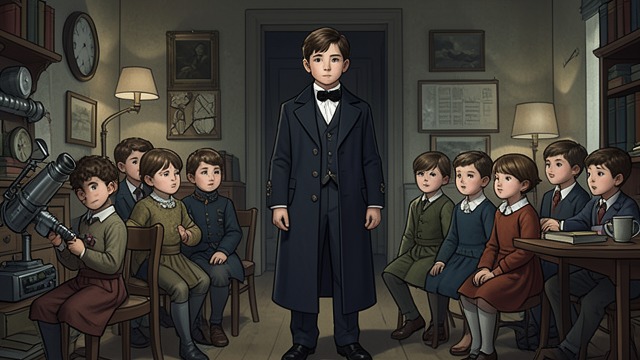
The Count’s Arrival
Elegance noticed
Konradin’s clothing, manners, and noble title distinguish him from the other boys.
Prestige magnified
Hans sees him through the aura of a family history and feels his own Jewish background as a social disadvantage.
Hans Tries to Impress
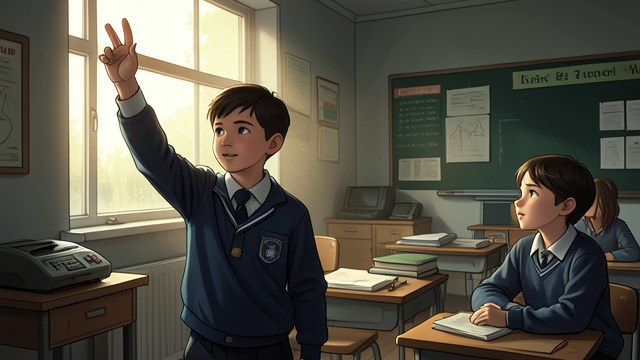
Hans Tries to Impress
Performance at school
Hans speaks up in lessons and attempts difficult gymnastic exercises to attract Konradin’s attention.
Desire and self-worth
His efforts reveal how readily admiration becomes a wish to be judged worthy by someone he has placed above himself.
Shame at Home
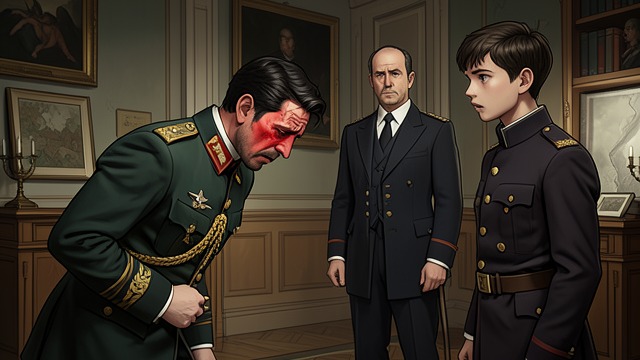
Shame at Home
A father’s deference
Dr. Schwarz performs an elaborate greeting for the count’s son and fills the visit with military anecdotes.
Self-recognition
Hans feels ashamed of his father, then ashamed of his own snobbery. The moment reveals how status can distort affection and judgment.
The Demand for Equality

The Demand for Equality
A refusal of humiliation
Hans tells Konradin that he is as good as any Hohenfels and will not accept contempt from a count or prince.
Dignity asserted
The declaration marks a change from seeking aristocratic approval to defending his own worth, even while he fears losing his friend.
A Wider Judgment
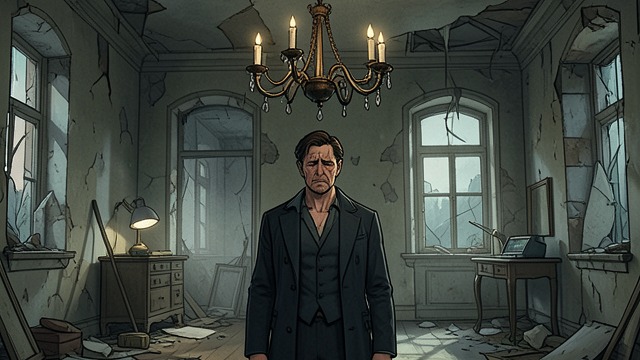
A Wider Judgment
Status loses its shelter
The destruction of the Hohenfels estate and the execution of Konradin strip aristocratic permanence of its apparent force.
Dignity beyond rank
Hans’s memories contrast inherited prestige with individual courage, prejudice, and vulnerability. No title guarantees moral wisdom or survival.
February 1932, at Karl Alexander Gymnasium
Early spring 1932, after Hans decides Konradin must become his friend
Spring 1932, during Konradin’s first visit to the Schwarz house
After Konradin passes Hans at the opera
In Hans’s adult recollection of his parents’ deaths and Konradin’s fate
