
Private Affection and Political Complicity
ReunionThe friendship raises a difficult distinction between personal kindness and political responsibility as Konradin loves Hans yet endorses a regime that excludes him.
increasing Bearing strength in each event
 decreasing
Bearing strength in each eventdecreasingKindness Without Politics
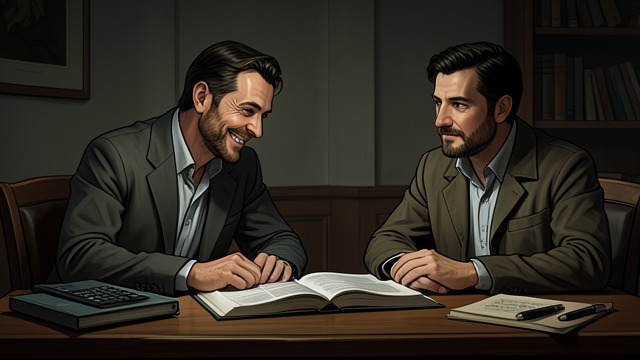
Kindness Without Politics
A private connection
Konradin is polite, attentive, and genuinely devoted to Hans, sharing time and interests with him.
A misleading shelter
Their private world seems to make political differences irrelevant, although the wider crisis is already approaching.
The Family’s Prejudice
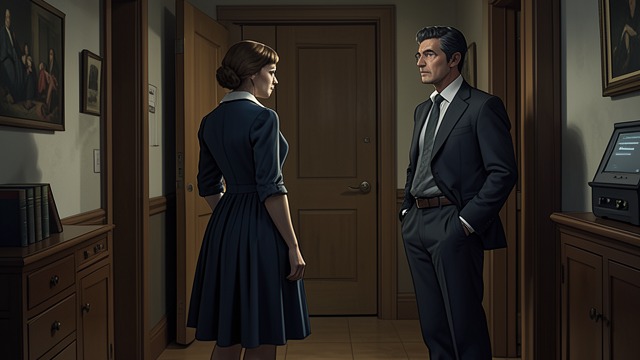
The Family’s Prejudice
Hatred explained
Konradin describes his mother’s hostility toward Jews and her suspicion of Hans’s influence.
Inheritance challenged
He recognizes the prejudice as unjust but has not made the friendship visible within his household. Affection alone has not challenged the family order.
Public Silence
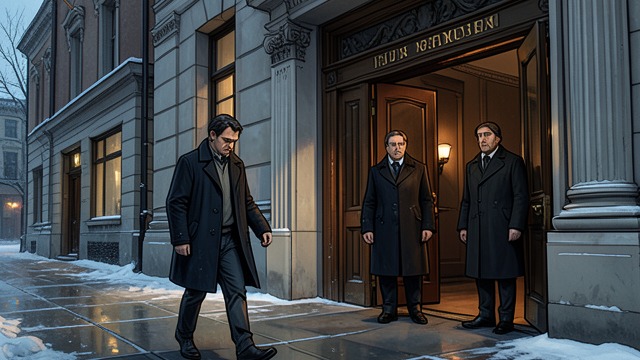
Public Silence
A friend not acknowledged
Konradin passes Hans without greeting him while attending the opera with his parents.
Choice under pressure
His silence may arise from fear of family conflict, but its effect is a public humiliation. The scene asks how private loyalty matters when it is withheld in public.
The Letter’s Political Choice
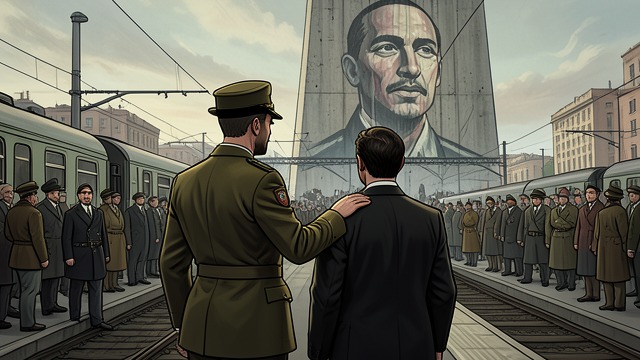
The Letter’s Political Choice
Ideology affirmed
Konradin tells Hans that he believes Hitler will restore Germany and accepts the exclusion of Jews as a political possibility.
Affection contradicted
His farewell remains tender, but his political hopes place Hans outside the future he endorses. Personal warmth does not cancel complicity.
The Later Resistance
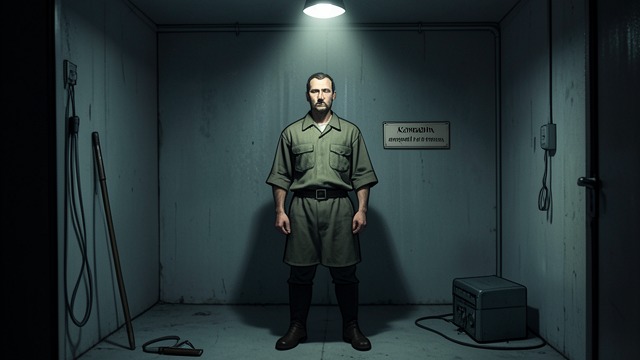
The Later Resistance
A final political act
The memorial says Konradin was implicated in a plot to kill Hitler and was executed.
Judgment remains incomplete
The news indicates a later change or act of opposition without explaining its cause. Hans must reconsider Konradin without being given a full moral resolution.
Spring 1932, during the boys’ early friendship
After Hans asks why Konradin ignored him at the opera
During the Fidelio performance in 1932
Two days before Hans leaves Germany
Revealed decades later in the school memorial list
