
The Parents Who Trusted Germany
ReunionHans’s parents’ deep attachment to their country guides their rejection of Zionism, their delayed response to danger, and their final act of resistance.
increasing Bearing strength in each event
 decreasing
Bearing strength in each eventdecreasingA German Home
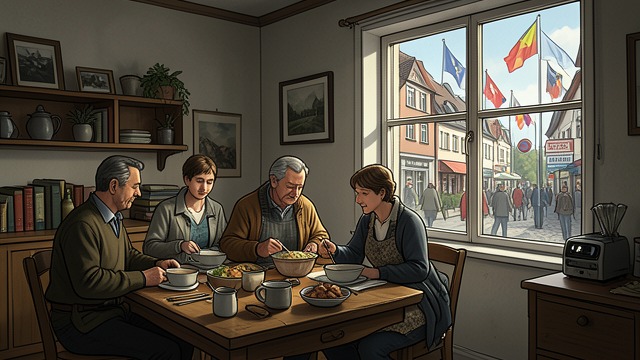
A German Home
Civic belonging
Hans’s parents build a secure life in Stuttgart and see themselves as part of German society.
Assimilation’s promise
Their customs and loyalties make Jewish identity seem secondary, leaving them unprepared for a state that defines them as outsiders.
The Zionist Dispute

The Zionist Dispute
Rejection of departure
Dr. Schwarz argues against Zionism and insists that his home is Germany, not Palestine.
Confidence in culture
He trusts the legacies of German literature and Jewish wartime service to protect his place in the country.
A Temporary Illness
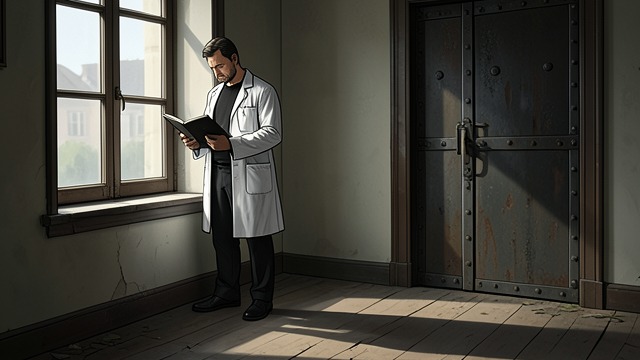
A Temporary Illness
Minimizing the threat
Dr. Schwarz regards Nazism as a passing sickness and believes national life will recover.
Faith tested
His decorations, professional standing, and civic respect seem to confirm his security, even as antisemitism reaches the school.
The Son Sent Away
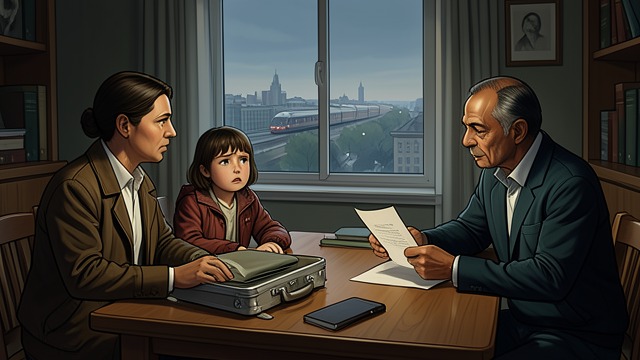
The Son Sent Away
Protection at a cost
Hans’s parents decide that their son must leave for America, even though they intend to remain.
A divided family
The decision protects Hans while preserving their own claim to Germany. Their hope that the separation will be brief proves tragically misplaced.
The Final Protest

The Final Protest
Defiance in public
Dr. Schwarz stands beside an antisemitic notice outside his surgery, wearing his military uniform and decorations.
A fatal conclusion
He and his wife later die by suicide. Their deaths reveal both the collapse of their confidence and the extremity of the pressure upon them.
Hans’s childhood, before Nazi power changes daily life
Before the Nazi crisis becomes immediate
During the early Nazi rise, before Hans’s departure
December 1932, as the family plans Hans’s escape
After Hans has left, under Nazi rule
