Monkey’s Zone-induced transformation
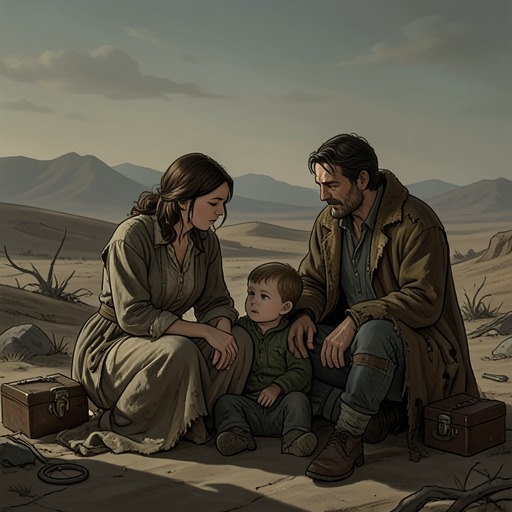
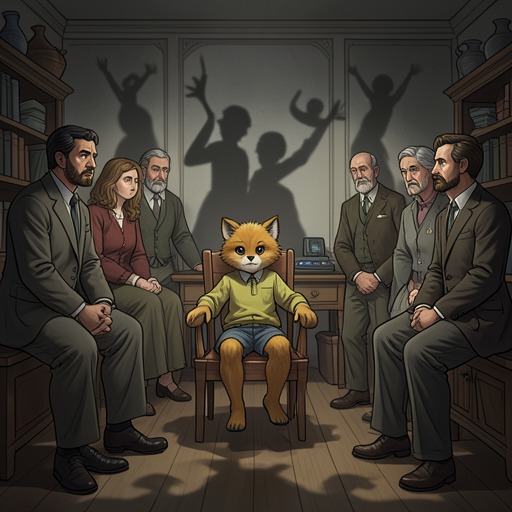
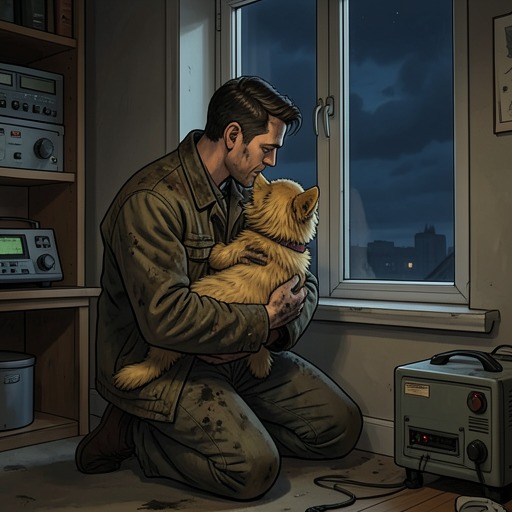
Roadside PicnicMonkey’s Zone-induced transformation is the gradual loss of ordinary human characteristics in Redrick Schuhart and Guta Schuhart’s daughter, a change rendered most powerfully through the shrinking distance between a familiar child and a presence her parents and visitors can no longer readily understand. The novel does not explain the process through a clinical account; it lets altered appearance, silence, and the reactions of those around her make the transformation legible. Monkey remains part of family life, yet the ordinary exchanges that would confirm that belonging become increasingly difficult.
A Changed Child Seen by an Old Acquaintance
When Richard Noonan comes to the Schuhart home, Monkey appears in the doorway after he has waited behind it. Light from the foyer initially shows him only her dark silhouette. He thinks about how much she has grown in the past few months; when she steps back into the light, seeing her face makes his throat go dry. The encounter gives the transformation a human measure: Noonan is not looking at a stranger, but at the child he remembers, and the change is startling precisely because recognition and estrangement arrive together.
Noonan tries to greet her gently, calling her both Maria and Monkey and asking how she is. She does not answer. Instead, she backs away without a sound. The two names register the distance between the ordinary identity of Maria and the family name Monkey, while her silence makes that distance more than a matter of appearance. The scene offers no response by which Noonan can reassure himself that the familiar child remains accessible through speech.
Silence Within the Family
Monkey’s changed condition is not confined to a visitor’s first shocked impression. Later, she walks into the room silently and hovers near the door. She looks at the pots and at Noonan, then goes to her mother and leans against her, turning her face away. The gesture is intimate but wordless: Monkey seeks physical closeness with Guta, while withholding her face and offering no speech. She is not simply absent from the family scene; she enters it on terms that have become difficult for others to interpret.
Guta gives Noonan the starkest account of what that silence means: Monkey understands less and less, almost nothing anymore. The statement turns the earlier encounter into evidence of an ongoing decline. Noonan has attempted to make conversation and then, in a hearty tone, explains that he has decided to move because he is tired of living in a hotel and the institute is too far away. Guta’s quiet disclosure interrupts this ordinary talk. His practical announcement cannot hold its tone once the child’s diminishing understanding is named, and he stops speaking, takes up his glass with both hands, and twirls it absently.
Disagreement, Diagnosis, and Uncertainty
Guta reports that someone has said Monkey is no longer human. Noonan answers hollowly that this is nonsense and suggests taking her to a real specialist, offering to speak to James Cutterfield and arrange an appointment. His denial and proposed medical consultation show an effort to place the change within familiar human categories: if an expert can examine Monkey, perhaps the family can receive an answer or a course of action. But the exchange supplies no diagnosis, treatment, or evidence that such an appointment takes place.
The disagreement leaves the transformation unresolved rather than settled by authority. Guta reports what has been said, while Noonan rejects it and reaches for a specialist; neither statement erases the concrete signs already present in the scene. Monkey does not reply to her old acquaintance, and Guta says that her understanding is nearly gone. The gap between the label of no longer human and Noonan’s insistence that it is nonsense becomes part of the family’s burden: the change is plainly affecting communication, but its meaning remains contested.
A Presence Beyond Ordinary Speech
During Noonan’s conversation with Guta, Monkey later appears noiselessly at the table beside the old man. She stands with her hairy paws on the tabletop, then moves in a perfectly childlike way. The juxtaposition holds two kinds of evidence in the same image: the visible, animal-like paws and a manner of movement that retains a recognizable childhood quality. The scene does not simply replace a human child with an animal figure. It makes the boundary unstable, showing features that invite alarm alongside a familiar gesture that resists treating Monkey as wholly other.
That instability also shapes how the transformation is narrated. Monkey is repeatedly seen through the reactions and interpretations of adults—Noonan’s dry throat, Guta’s quiet explanation, and the unnamed claim that she is no longer human—while her own direct speech is absent in these moments. Yet her actions are not empty: she enters, looks, retreats, and leans against her mother. These small movements give her a presence that cannot be reduced to a diagnosis, even as the adults struggle to understand what she can perceive or communicate.
Family Life Under Transformation
The episodes establish transformation as a continuing condition, not a single spectacular event. Noonan notices that Monkey has grown markedly over a matter of months; Guta describes a progressive loss of understanding; and her hairy paws make the bodily change unmistakable. Each detail marks a different dimension—time, communication, and appearance—without offering a full account of how or why the process unfolds.
For Guta, the change is embedded in the domestic scene: Monkey silently approaches her and rests against her. For Noonan, it breaks through the ordinary surface of a visit and leaves his attempted reassurance hollow. The novel keeps both experiences in view. Monkey’s condition is disturbing because it alters the terms on which others recognize her, but the child remains a daughter who moves toward her mother and occupies the shared space of the family. That unresolved coexistence—attachment alongside estrangement—gives the transformation its force.