
Spenser’s Work for the Weinberg Family
Robert B. Parker's WonderlandThis thread tracks Spenser’s changing role from Henry Cimoli’s investigator to the Weinberg family’s reluctant ally, and the limits imposed by hidden loyalties and danger.
increasing Bearing strength in each event
 decreasing
Bearing strength in each eventdecreasingA Friend’s Case
The Investigator Takes the Job
Loyalty before payment
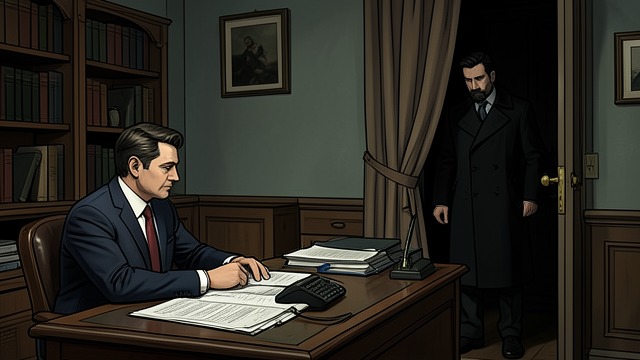
Henry Cimoli asks Spenser to investigate the people trying to force him out of Ocean View. Spenser agrees because of their long friendship, not because the work promises a conventional fee or a simple legal dispute.
Spenser’s first objective is practical: identify the buyer, stop the intimidation, and give Henry room to choose whether to sell. He avoids immediately turning the problem over to the police or lawyers, preferring to learn who is directing the pressure.
A widening assignment
The corporate trail leads Spenser toward Envolve Development, Rick Weinberg, and a casino project. What begins as a favor for Henry grows into an investigation involving property, political influence, and violence that Spenser cannot safely treat as a minor condo dispute.
From Land Dispute to Leverage
Turning Information into Pressure
Following the hidden buyer
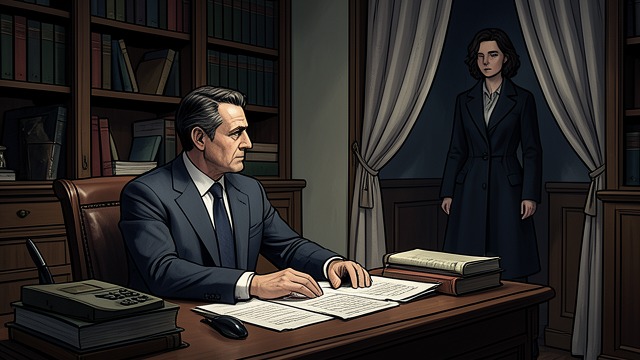
Spenser uses calls, records, and contacts such as Wayne Cosgrove, Lennie Seltzer, and Bernard J. Fortunato to connect the Ocean View offer to Weinberg’s casino plans. He also places Jemma Fraser at the center of the pressure campaign when she appears to be the person who hired the first group of men.
The investigation gives Spenser bargaining power, but he does not confuse discovery with safety. Henry is still vulnerable, and the people behind the purchase have resources far beyond those of the small-time thugs first sent to Revere.
A negotiated outcome
Spenser forces Weinberg’s side to acknowledge the stakes and eventually brings the developer before the condo board. When the residents accept the improved offer, Spenser’s original assignment seems complete, though the agreement’s reliance on the casino license leaves it exposed to later disruption.
Hired by the Widow
A New Client in the Same Crisis
The request
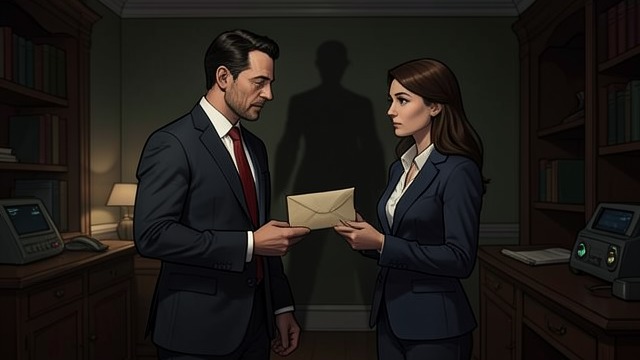
After Rick Weinberg’s death, Lewis Blanchard asks Spenser to help Rachel Weinberg. Spenser accepts despite having recently worked against Weinberg’s interests, recognizing that the murder and the threatened condo agreement have become part of the same crisis.
The new job is not simply a search for a killer. The Weinberg family’s business, the casino bid, and the survival of the Ocean View deal all depend on what becomes known about the dead man’s plans and the people surrounding him.
Unequal access
Rachel and Blanchard share information selectively, refusing at first to identify the political figure involved in Weinberg’s arrangements. Spenser’s professional discretion becomes a point of tension: he is asked to help while being kept outside the facts needed to do so.
The mismatch between responsibility and access pushes Spenser to pursue independent leads, including Harvey Rose, the Boston casino network, and the missing Jemma Fraser.
The Client Relationship Breaks
A Case with Missing Truths
The condo bargain falters
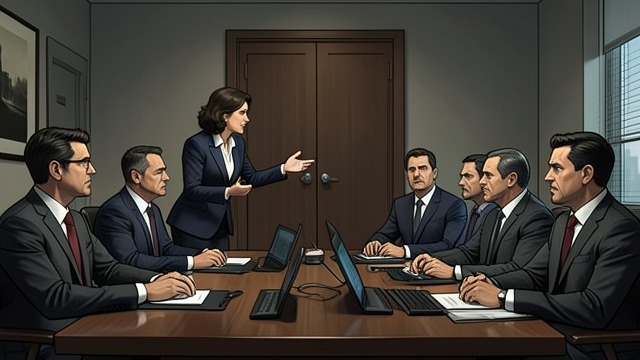
Spenser accompanies Rachel Weinberg to a meeting with the Ocean View board, where residents hesitate to honor the agreement after Weinberg’s death. Rachel defends the deal, but the board’s anxiety and a competing offer reveal how little the contract has settled.
At the same time, Spenser learns from Wayne Cosgrove that money connected to Weinberg’s project reached political channels and that Harvey Rose may have taken over some of the support. The case’s business dimensions become more difficult to separate from the murder inquiry.
The dismissal
Rachel and Blanchard tell Spenser that they have the situation in hand and that his continued work may create legal problems. Blanchard’s explanation is incomplete, but Spenser leaves rather than force a client to retain him.
The dismissal does not end his involvement. He continues looking for the truth because the murder, the endangered Jemma, and Zebulon Sixkill’s disappearance exceed the boundaries of a terminated contract.
The Case Outlasts the Contract

Responsibility Without Employment
The investigation continues
After Blanchard ends the formal arrangement, Spenser follows the evidence connecting the casino struggle to the violence in Revere and Boston. He visits Gino Fish, consults the police, and tracks the threat to the people who have vanished.
Spenser’s choices reflect a recurring tension in his work: a client can dismiss him, but the danger created by a case does not necessarily disappear with the contract. He keeps acting because people he has come to know are still at risk.
Rescue and consequence
When Blanchard admits that an executioner took Jemma and Zebulon Sixkill to the abandoned Wonderland site, Spenser and Henry Cimoli go there despite the danger. They find Jemma dead and discover Zebulon Sixkill gravely injured but alive.
The rescue does not repair the failed business relationship or make the investigation painless. It does show that Spenser’s loyalty has shifted beyond a paying client: he acts for the people endangered by the case, even after he has been told to stop.
At the opening, during Henry Cimoli’s request
After the first group of hired men is confronted
Immediately after Weinberg’s murder is discovered
After Rachel returns from Weinberg’s funeral
During the final search at Wonderland
