
Weinberg’s Wonderland Casino Plan
Robert B. Parker's WonderlandThis thread traces Rick Weinberg’s attempt to assemble the Revere land needed for his Wonderland casino, and how political competition and violence destabilize the project.
increasing Bearing strength in each event
 decreasing
Bearing strength in each eventdecreasingThe Casino Law Opens a Race
A New Prize
The licensing contest
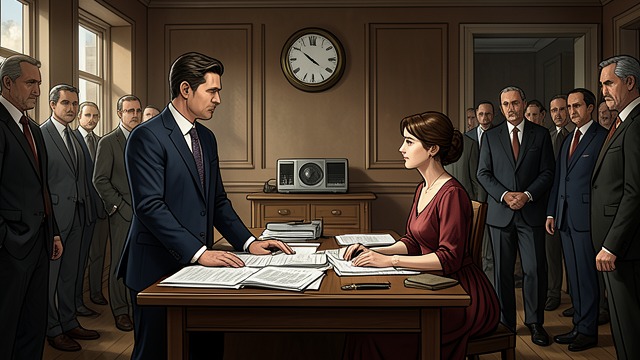
Wayne Cosgrove explains to Spenser that Massachusetts has authorized casino licenses and that developers are competing for the opportunity to build near Boston. The new law transforms land around Revere from ordinary real estate into a strategic resource.
Rick Weinberg is one of the major contenders, while Harvey Rose is a serious rival with a different development model. The license is not yet secured, and the political process is still taking shape, so each group has an incentive to assemble property and influence before the final decision.
The local stakes
Weinberg’s interest in the Ocean View building becomes intelligible when Spenser learns that the site could complete a larger plan near the old Wonderland track. The development race thus draws Henry Cimoli’s home into a contest far beyond the residents’ immediate property dispute.
A Concealed Land Assembly
Buying Without a Name
The corporate trail
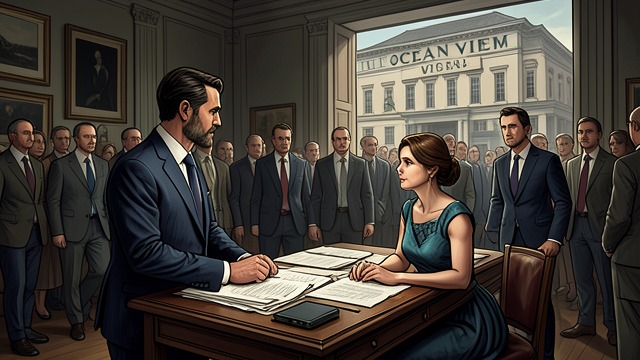
The offer for Ocean View comes through an opaque corporate buyer, and the listed company information does not reveal the person directing the purchase. Spenser finds that Envolve Development is connected to the acquisition, but the public-facing trail is deliberately difficult to follow.
Bernard J. Fortunato’s research links the Massachusetts companies to Weinberg’s Nevada businesses, while Lennie Seltzer confirms that Weinberg acquired the closed Wonderland property. Together, those discoveries make the condo offer part of a coordinated land strategy rather than an isolated investment.
The project’s dependency
The dog track provides a large anchor for the planned development, but the occupied condo parcel remains a sticking point. Weinberg’s need for the residents’ land creates leverage for Henry and the other owners—and also explains why the buyer’s agents resort to intimidation when ordinary persuasion fails.
Weinberg Reveals His Vision
A Dream of Wonderland
The pitch
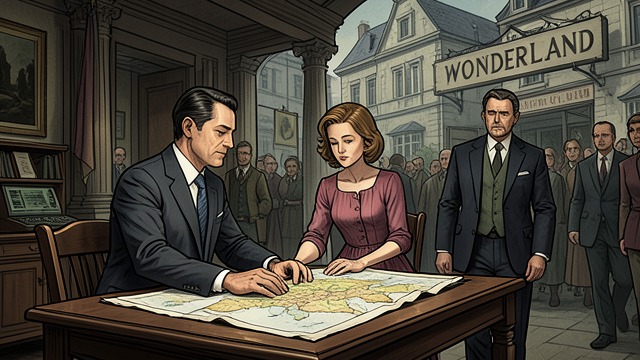
At dinner, Rick Weinberg describes a casino and resort designed around the history and imagery of the original Wonderland amusement park. He imagines an elaborate visitor experience, with art, themed design, entertainment, and the opportunity to restore a landmark’s lost grandeur.
The plan reveals more than a commercial proposal. Weinberg regards the project as a personal dream, one that combines his childhood connection to the area with his desire to create a spectacle on a grand scale. His confidence suggests he has already imagined the completed property, even though the license and the last parcel remain uncertain.
The negotiating condition
Weinberg offers to make a fair deal with the Ocean View residents and warns that rival developers could complicate or sink the plan. His presentation persuades the board, but the promise is conditional on gaining the license and obtaining the necessary land.
The vision’s scale also makes it vulnerable: the more Weinberg’s ambitions depend on political approval and assembled property, the more the project becomes a target for competitors and people who stand to lose from legal gambling.
Political Support Changes Hands
The Political Foundation
The money trail
Wayne Cosgrove examines political contributions and discovers that money routed through Envolve Development reached a super-PAC connected to Joseph G. Perotti’s circle. Later reports show a substantial contribution from Harvey Rose’s side after Weinberg’s payments disappear from the records.
The changing donations suggest that the casino competition depends on more than land and design. Political access is part of the project’s foundation, and the shifting flow of money may explain why Weinberg’s plan encountered betrayal even as it appeared to be advancing.
A compromised contest
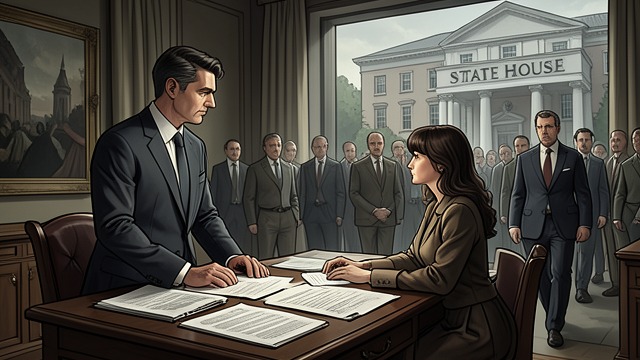
Spenser confronts Perotti at the Massachusetts State House, but the speaker denies knowing the people and arrangements at issue. Lewis Blanchard later confirms that Perotti had been central to Weinberg’s effort and that Weinberg was trying to secure terms shortly before his death.
The new information makes the license race harder to interpret: the apparent contest between developers is also a contest over concealed payments and alliances. The political machinery that might have enabled Wonderland instead becomes a source of instability and suspicion.
The Dream Survives Its Founder
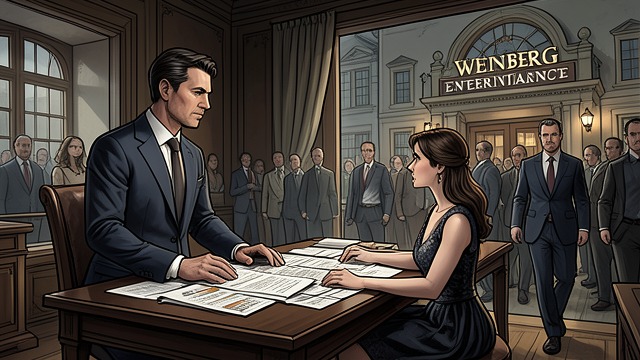
Wonderland Without Weinberg
The succession
Rick Weinberg’s death leaves the future of his company and project uncertain. Jemma Fraser says that she has become chief executive of Weinberg Entertainment, while Rachel Weinberg remains on the board and contests Jemma’s authority and conduct.
The leadership change does not settle the development question. The Ocean View board becomes less certain of its agreement, Harvey Rose’s competing offer gains importance, and Weinberg’s elaborate vision now depends on people whose interests and trust are divided.
An unfinished project
The murder investigation exposes the political and criminal forces surrounding the casino contest, but it does not deliver a clean victory for Weinberg’s plan. His dream of reviving Wonderland remains entangled with the condo dispute and the struggle for the state license.
The project’s fate consequently reflects the cost of building a public spectacle on private deals and coercive pressure. Weinberg had assembled much of the groundwork, but his death leaves the central promise without its original negotiator and exposes how fragile the plan was from the start.
Early in the investigation, after Massachusetts passes the casino law
During Spenser’s early inquiries into the buyer
At the dinner meeting, before the condo board’s vote
After Weinberg’s death, as Spenser traces campaign money
Near the ending, after the Ocean View agreement falters
