Intimidation and violence at the Ocean View apartments
Robert B. Parker's WonderlandThe intimidation and violence at the Ocean View apartments turn a property dispute into a threat to residents’ physical safety. Henry Cimoli’s account of a three-man threat becomes an assault outside his building, while Ocean View board members later describe vandalism, fear, and pressure to decide whether to sell. The episodes establish the human cost of the conflict without, in the evidence presented here, proving who ordered the attacks.
Henry’s Threat and the Attack
Henry tells Spenser that problems at his condo have outgrown his attempts to handle them alone. Three men came to his home the other night and warned that if he did not stop speaking up, they would throw him out the window. The detail that his unit is on the fourth floor makes the threat brutally specific: it is not simply a warning to leave, but a threat to turn his own home into a weapon against him.
Spenser and Zebulon Sixkill follow Henry to Revere. The trip passes through Chelsea and along Route 1A toward Revere Beach; the ordinary drive, with a low jazz program on the radio, gives way to violence when Spenser sees three men surrounding Henry beneath the condo’s portico. One knocks Henry’s gym bag from his hand. Henry answers with a left hook that drops him, then takes a fighter’s stance as the other two press in. His resistance matters: the threatened resident is not helpless, but he is outnumbered until Spenser and Zebulon arrive.
The arrival changes the balance of the encounter. The men turn their attention to Spenser and Zebulon, and the confrontation ends with the assailants on the ground. One, holding his injured shin, objects that he has been assaulted. Spenser offers to spare them a police call if they identify who hired them. They do not provide a name, and he calls 911 instead, giving the condo’s address. The attempt to obtain information thus yields no identification; the immediate consequence is a police response, not an answer about who is behind the threat.
Fear Inside Ocean View
Later, members of the Ocean View board describe intimidation that reaches beyond Henry’s encounter. Buddy’s Cadillac has been vandalized: its tires were slashed, its roof cut, and its paint keyed. Buddy says he has owned the car for thirty years and had planned to give it to his grandson. The damage is therefore more than an attack on property. It strikes at a possession with a long personal history and makes the pressure on the residents visible in a form they can point to.
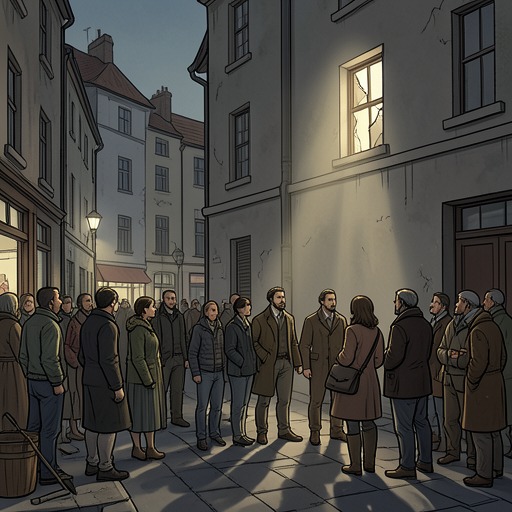
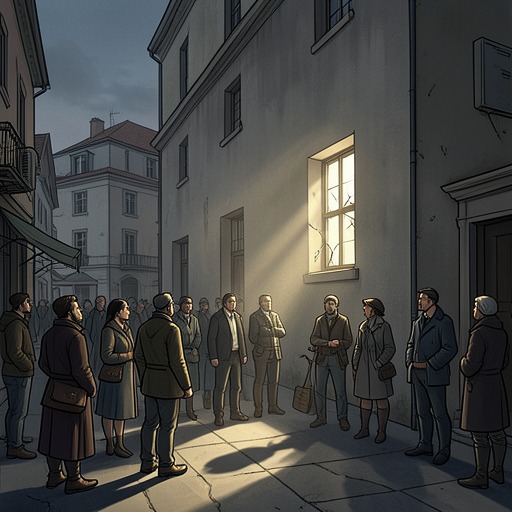
Board president Lou Coffone says residents are more frightened than before. They have filed reports with the Revere police, who are expected to post officers at the property, yet some residents remain afraid even to go to the corner store. The reported patrols offer a measure of protection, but they have not restored ordinary freedom of movement. Fear has become part of daily life at the building, extending the effect of violence beyond those directly struck or threatened.
The board meeting also makes clear that the residents face a decision under pressure. Coffone says they cannot wait indefinitely while Spenser investigates and people continue to be beaten; their attorney has warned that the offer may no longer be available if they delay. Buddy says the prospective buyers claim to know nothing about the harassment. The contrast is consequential: the residents are being asked to weigh a sale while violence and uncertainty persist, but the statements recorded here do not establish that the buyers ordered the attacks or even knew who carried them out.
Protection, Pressure, and Uncertainty
The episodes connect personal safety to the question of whether Ocean View residents can make a genuinely voluntary choice. Henry’s threat is directed at his refusal to keep quiet; the later board discussion places continuing assaults alongside the deadline attached to an offer. Coffone’s concern is practical and immediate: waiting for an investigation also means asking frightened residents to endure further danger. The evidence shows how intimidation can narrow the perceived choices available to a community without proving that any particular offer was secured through violence.
The response is divided between private intervention and formal protection. Spenser and Zebulon confront the men at Henry’s building, and Spenser calls the police when the attackers refuse to identify their employer. The board has separately reported incidents to the Revere police and expects officers to be posted at Ocean View. These steps answer particular risks, but neither the call nor the promised patrols, as described here, resolves the larger question of who is responsible for the campaign.
The novel later depicts violence in other settings, including an attempted abduction of Jemma Fraser outside Spenser’s apartment and the discovery of Zebulon badly injured at the old dog track. Those episodes show that danger continues elsewhere in the plot; the evidence here does not establish that the same assailants or organizers are responsible for them. Keeping that distinction matters: Ocean View’s intimidation is part of a broader violent story, but its specific perpetrators remain unidentified in these scenes.
Significance
Ocean View’s conflict is presented not only through assaults but through their accumulating consequences: a resident threatened in his home, a cherished car destroyed, neighbors afraid to run an errand, and a board pressed to consider an offer while the danger remains unsettled. The movement from Henry’s individual account to Coffone’s description of residents’ fear widens the stakes from one threatened man to a community’s ability to live safely and decide its own future.
The violence also produces an unresolved tension between urgency and proof. The men who attack Henry do not name a hirer, and the prospective buyers deny knowledge of the harassment, while the board’s attorney warns that delay may cost the residents the offer. The events therefore establish coercive pressure and its human effects, but leave the chain of responsibility open. That gap is central to the episode: the residents must act in the shadow of violence before its source has been conclusively identified.