
Liam Reed’s Movement Beyond Heroics
Roommate Wars & Midnight Kisses (My College Romance)This flow traces Liam Reed’s passage from trauma-driven overwork and emotional avoidance toward support, accountability, and a more sustainable vision of partnership.
increasing Bearing strength in each event
 decreasing
Bearing strength in each eventdecreasingThe Professional Armor
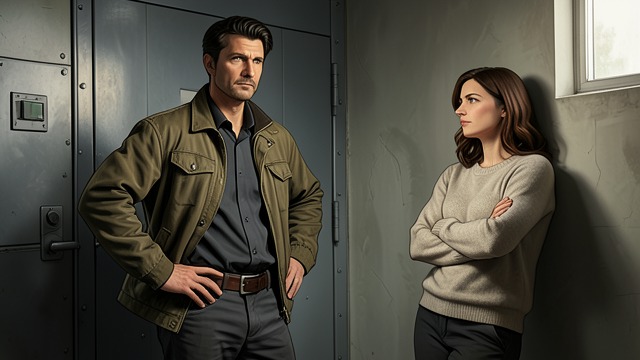
The Professional Armor
Competence as identity
Liam Reed first appears as a tattooed, exhausted EMT who guards his gear, sleep, and routines with rigid confidence. His irritation is not simple hostility; it is the protective surface of someone who relies on competence to keep uncertainty away.
A private burden
His work exposes him to death and crisis, yet he offers almost no emotional access. He returns from shifts carrying images of patients and speaks about them only when he believes the other person will not ask him to become vulnerable.
The cost of control
The shared studio immediately threatens his defenses. Leah’s presence creates unavoidable intimacy, while her questions challenge the belief that he can preserve himself by controlling distance, schedules, and disclosure.
The Original Wound
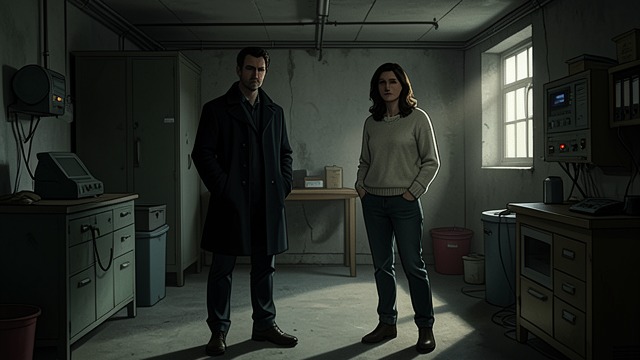
The Original Wound
A basement emergency
Liam reveals that his father’s heart attack at sixteen left him frozen during the minutes before professional responders arrived. Although his father survived, Liam remembers his own helplessness more vividly than the successful rescue.
A vow of usefulness
He enters emergency medicine to become the person he needed that day: calm, trained, and capable of taking over when someone else is terrified. The vocation is sincere, but it is also a permanent attempt to revise the past.
When service becomes compulsion
Liam explains that he does not run toward danger merely to feel important. He runs because refusing to do so feels unbearable. That distinction establishes the central problem of his arc: noble purpose and self-destructive compulsion can inhabit the same action.
The Fatal Shift
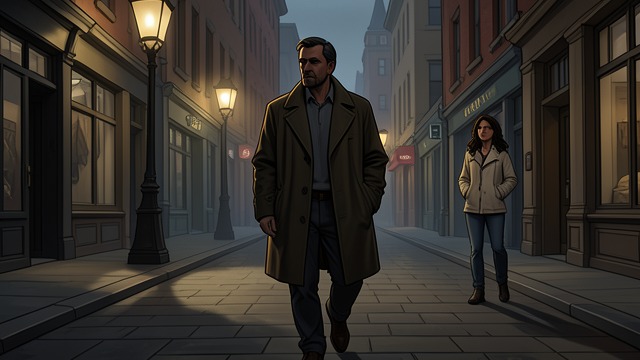
The Fatal Shift
An avoidable choice
When staffing shortages hit during game weekend, Liam accepts an extra EMT shift despite exhaustion. He frames the decision as practical and necessary, but the choice also satisfies his compulsion to be indispensable.
Death at close range
The shift includes a young patient whose heart stops in the ambulance, a grieving father, and repeated emergency calls. Liam returns to Apartment 3B physically intact but psychologically sealed off, unable to accept Leah’s attempt to remain beside him.
Intimacy as threat
Liam tells Leah that he cannot be “boyfriend-y” and fears bringing what he sees into her life. His withdrawal reveals that the relationship frightens him precisely because it gives his suffering somewhere personal to land.
The Hero Complex Exposed
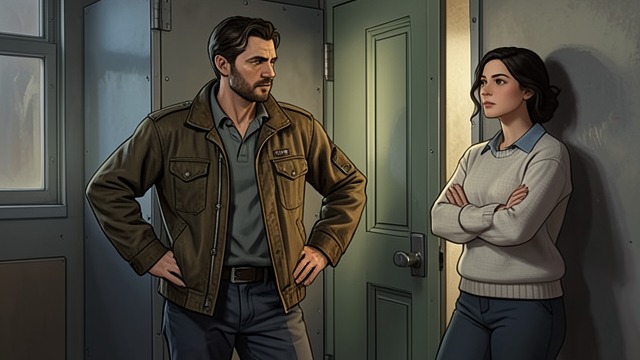
The Hero Complex Exposed
Work as a shield
Liam repeatedly cancels plans, takes extra shifts, and returns to the apartment only when he needs rest or physical comfort. He insists that his career comes first, but his behavior also prevents him from confronting grief, guilt, and dependence.
Leah’s accusation
During the breaking-point argument, Leah tells him that he uses work as a shield and that their intimacy risks becoming a pressure valve rather than a relationship. The accusation wounds him because it identifies the avoidance beneath his noble explanations.
The relationship pause
Leah moves back to the Fold-Out Sofa Bed and demands a pause. Liam is forced to see that good intentions do not cancel relational impact, and that refusing vulnerability can still require another person to reorganize their life around him.
Choosing Support

Choosing Support
Entering the room
Liam attends the EMT and First-Responder Mental-Health Panel after nearly turning away at the door. Hearing other responders describe burnout, isolation, and the danger of carrying everything alone gives him a possible future image of himself.
Naming the avoidance
He admits that an ambulance is easier than his own mind, and that his emergency identity lets him avoid sitting with someone he loves. He also acknowledges that he wanted the intensity of Leah’s care without accepting responsibility for its emotional consequences.
A deliberate direction
Liam skips an optional shift, returns home early, and tells Leah what he learned. His change is not presented as a cure or a promise of perfection; it is the first intentional choice to build a life containing both emergency work and ordinary presence.
the first night Leah meets him
during their first library study session
the game weekend night shift
the breaking-point argument after repeated cancellations
the Thursday when he skips an extra shift
