
Home as a Chosen Practice
Roommate Wars & Midnight Kisses (My College Romance)This flow develops the idea of home from an accidental lease arrangement into a shared environment sustained by deliberate habits, negotiated limits, and reciprocal choice.
increasing Bearing strength in each event
 decreasing
Bearing strength in each eventdecreasingAccidental Shelter
Accidental Shelter
A Legal Mistake
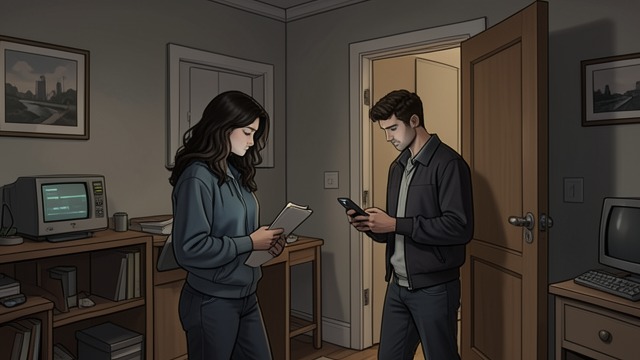
The Double-Booked Lease and Accidental Cohabitation forces Leah Kim and Liam Reed to share a studio that neither selected as a relationship experiment. The landlord’s administrative failure converts private housing into a social pressure cooker.
The Meaning of Shelter
Leah needs the room to preserve her scholarship and transfer, while Liam needs it as a controlled base for demanding studies and emergency work. Their competing needs reveal that home is not simply a place; it is a promise of safety, privacy, and continuity.
An Unstable Beginning
At first, the apartment feels like contested territory. Yet the lack of alternative housing also creates the conditions for two isolated people to encounter each other beyond the identities they planned to maintain.
Kitchen as Common Ground
Kitchen as Common Ground
Domestic Conflict
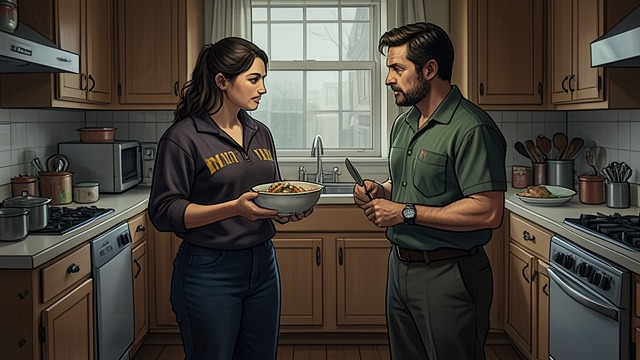
Leah labels shelves, sorts raw food from leftovers, and tries to impose order on Liam’s chaotic storage habits. The kitchen becomes a symbolic argument about whether shared life means invasion or cooperation.
Food as Memory
When Leah makes Jook with guidance from her mother, the apartment fills with a sense of Korean family life. Liam responds with memories of matzo ball soup and a crowded Queens kitchen, allowing food to bridge cultural difference without requiring either person to surrender their history.
A Shared Room
Their kitchen truce changes the apartment from a place where possessions compete into a place where memories can coexist. Domestic labor becomes an early form of affection because it makes room for both people rather than privileging whoever arrived first.
Living Alone Together

Living Alone Together
The Apartment as Border
After Leah and Liam suspend physical intimacy, they remain under the same roof but divide the space into separate routines. Polite exchanges replace banter, and the studio becomes a map of emotional distance.
Solitude within Proximity
Leah builds connections through psych groups, helpline training, volunteering, and counseling. Liam remains present but inaccessible, forcing both characters to experience a version of independence that their shared room had previously concealed.
A Productive Absence
The separation is painful, yet it prevents the apartment from becoming a mechanism of dependency. By learning to inhabit the same home without constant access to each other, they create the possibility of choosing closeness later rather than confusing proximity with partnership.
The Sunday Agreement
The Sunday Agreement
Calendars as Commitment
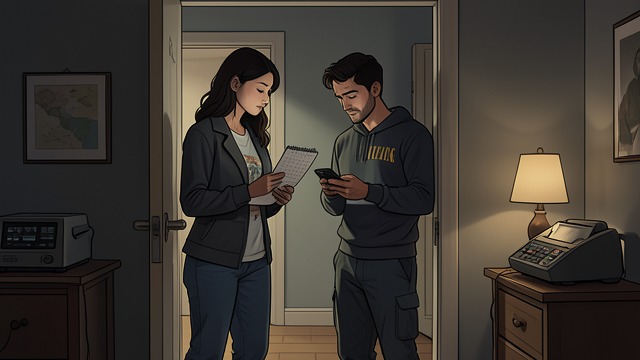
Leah and Liam place their schedules side by side and confront the practical pressures that previously turned love into leftover time. Their calendars make visible that affection cannot survive on spontaneity alone.
Structures without Control
They establish weekly Emotional Staff Meetings, early warnings about withdrawal, and a process for renegotiating the apartment if living together becomes unsafe. These rules differ from their first defensive chart because they protect the relationship without controlling either person.
Future without Traps
They discuss med school, graduate study, possible relocation, and the lease. Planning for different futures becomes a form of trust: neither assumes permanence, but both accept that the relationship deserves deliberate consideration.
The Apartment Becomes Ours
The Apartment Becomes Ours
Material Transformation
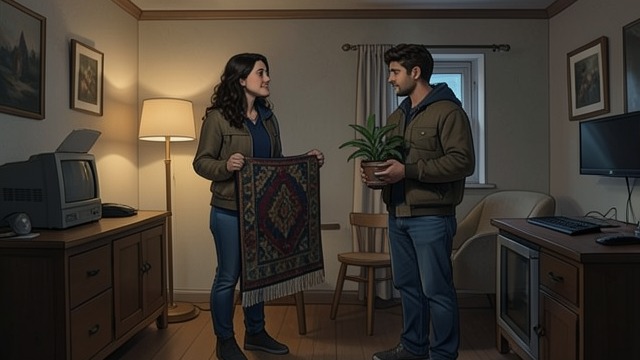
By the final chapter, a rug, plants, photographs, shared food, and two pillows have altered the studio’s emotional character. The square footage remains unchanged, but the room no longer feels like temporary shelter or a battlefield.
Shared Rituals
Leah and Liam host friends, clean together, climb onto the fire escape, and return to ordinary domestic affection. Their home is sustained by repeated actions rather than grand declarations: check-ins, meals, boundaries, and the willingness to come back after conflict.
Chosen Belonging
The apartment becomes theirs because they choose it without pretending it is perfect. Home is presented as a practice of mutual presence, where both people can take up space and still leave room for the other.
the double-booked lease on move-in day
the first week after the fridge conflict
the weeks after the relationship pause
the formal reconciliation planning session
the final November night on the fire escape
