
The Hero Complex Meets Emotional Need
Roommate Wars & Midnight Kisses (My College Romance)This flow follows the conflict between Liam Reed’s emergency work and Leah Kim’s demand for reciprocal emotional presence, from mutual accommodation through rupture and repair.
increasing Bearing strength in each event
 decreasing
Bearing strength in each eventdecreasingThe First Fatal Call
A Career Built Around Loss
The Call He Carries Home
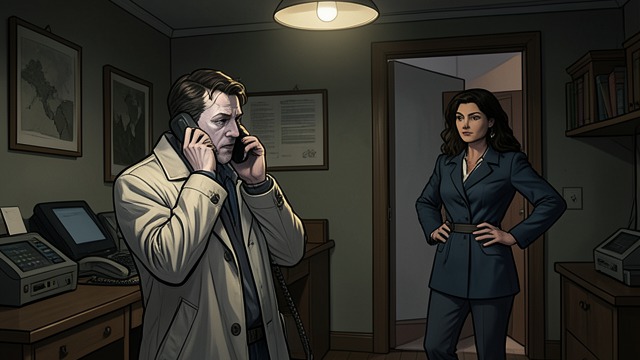
Leah overhears Liam speaking about a young patient who dies after coding twice in the ambulance. His language is controlled, but the pauses reveal that professional competence has not protected him from grief.
The First Distance
When Leah asks whether he is okay, Liam deflects into a complaint about her lamp. The exchange establishes the central conflict: he needs silence to remain functional, while she reads withdrawal as a refusal of connection.
His work enters their home before he is ready to discuss it. The apartment becomes a place where his public role and private fear collide.
The Extra Shift
Duty Against Intimacy
A Difficult Permission
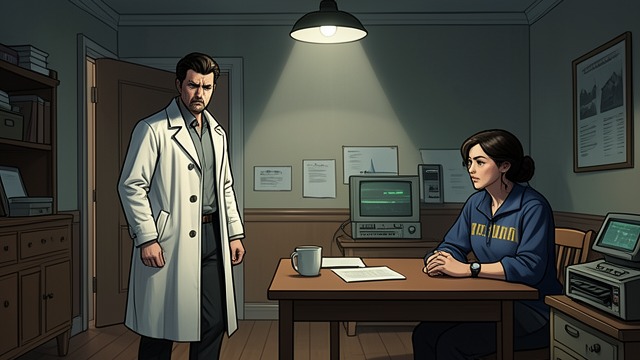
During a major football weekend, Liam accepts an extra EMT shift despite Leah’s anxiety. She recognizes that the money matters and that refusing would intensify his guilt, but she also feels the cost of being left alone is being treated as secondary.
The Fatal Return
Liam comes home after a shift involving a child who dies despite prolonged resuscitation. His refusal of Leah’s touch is not indifference; it is an attempt to prevent the night’s images from entering their relationship.
The conflict sharpens because both people act from care. Leah offers presence, while Liam mistakes emotional openness for another demand he cannot survive.
The Emotional Mismatch
Care Misread as Pressure
Leah’s Overfunctioning
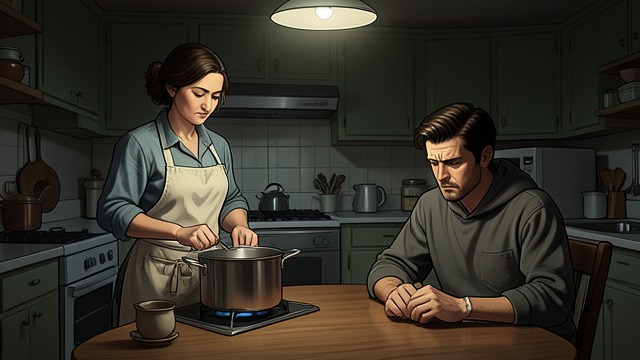
Leah cooks, softens her voice, monitors his schedule, and reduces her requests. Her behavior resembles the old pattern she escaped: managing another person’s mood while calling self-erasure patience.
Liam’s Defensive Isolation
Liam insists that he is fine and argues that Leah cannot understand emergency work. He experiences her concern as pressure to perform vulnerability, while she experiences his silence as abandonment.
Their conflict is no longer about one difficult shift. It becomes a disagreement over what partnership requires when one person is wounded and the other is waiting outside the locked door.
The Breaking Point
The Relationship Becomes the Argument
Competing Accusations
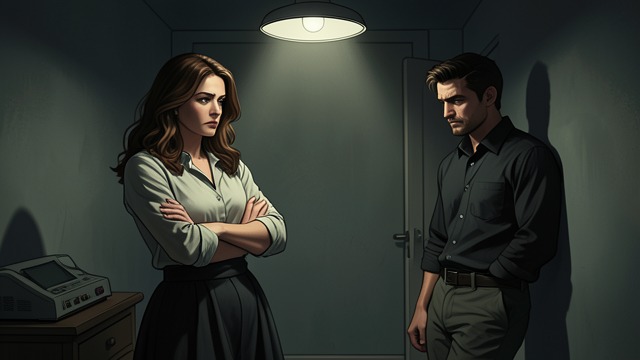
Leah tells Liam that he uses work as a shield and accepts physical comfort without offering emotional accountability. Liam counters that she wants to become the center of his world and cannot accept that his career must come first.
The Old Patterns Return
Their language echoes their earlier relationships. Leah recognizes herself waiting for scraps of attention, while Liam recognizes the pressure and engulfment he associates with his former partner. The fight becomes terrifying because both see familiar damage in the other.
The argument forces a choice between preserving the relationship at any cost and admitting that love alone cannot resolve incompatible patterns.
A Different Form of Duty
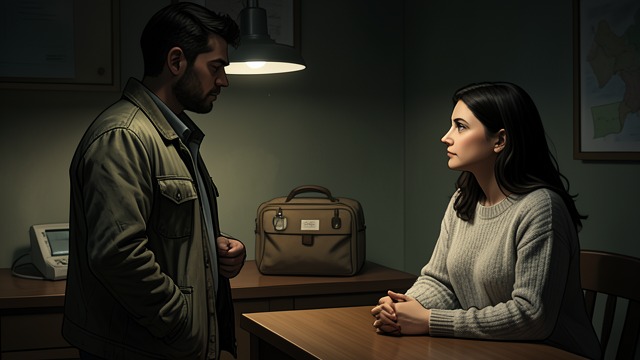
Choosing Presence
Liam’s Recognition
After attending an EMT and first-responder support gathering, Liam admits that emergency work has allowed him to avoid his own emotional life. He accepts that heroism cannot excuse the collateral damage caused by constant absence.
A New Standard
Liam does not promise to stop caring about patients or to become effortless. Instead, he promises to communicate limits, seek outside support, and show up during ordinary moments as well as crises.
The conflict resolves through a redistribution of responsibility. Leah stops treating his healing as her project, and Liam stops treating his work as permission to leave the relationship emotionally unattended.
the first night in the apartment
game-weekend night
the three days after the fatal shift
the following Thursday night
near the ending after the support-group meeting
